
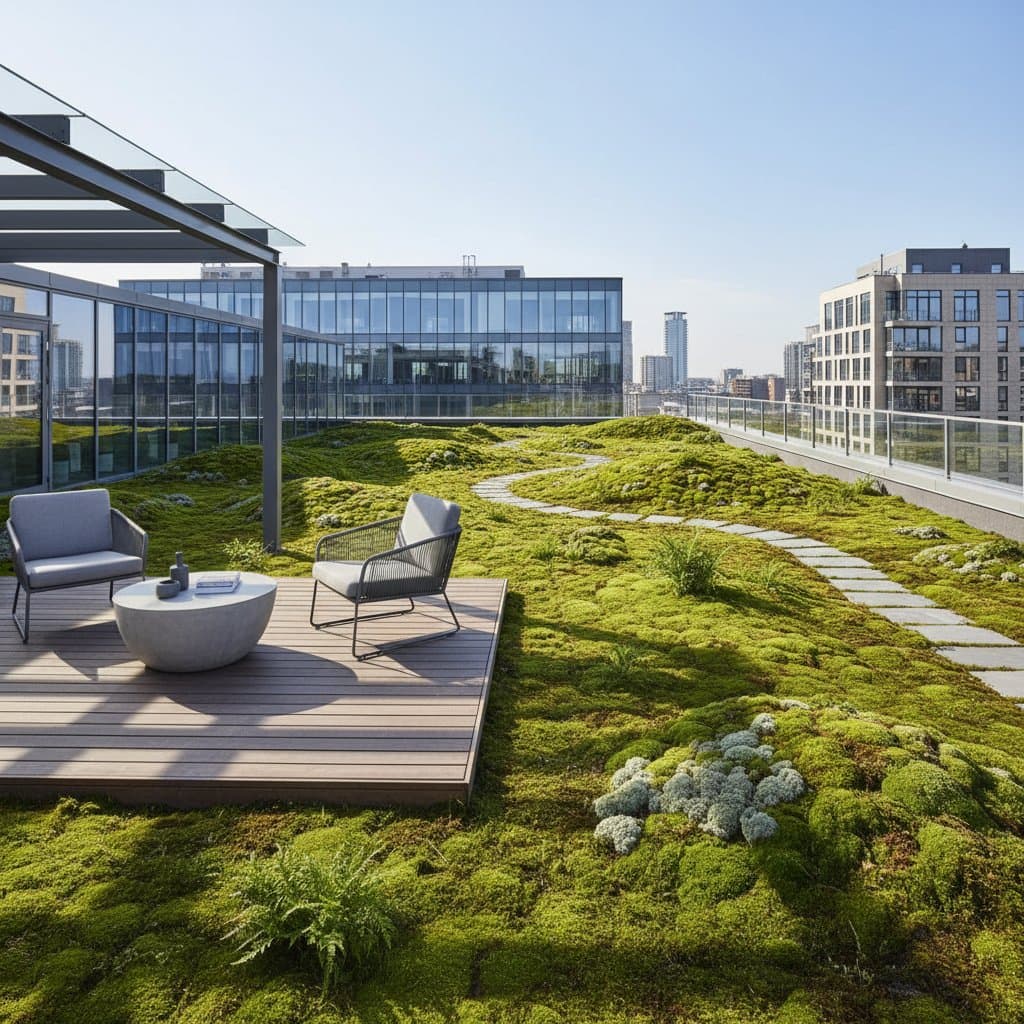
Moss Carpets: Effortless Green Coverage for Urban Rooftops
Urban rooftops often serve as overlooked spaces, dominated by concrete and mechanical elements. Moss carpets offer a transformative alternative, providing a soft, verdant layer that demands minimal intervention. These systems thrive in shallow conditions where traditional grass fails, converting barren surfaces into serene, living retreats that contribute to urban cooling and biodiversity.
This guide delves into the essentials of moss carpets for rooftops. Readers will gain insights into their mechanics, preparation requirements, and long-term viability. Detailed steps cover material selection, installation processes, safety protocols, and routine maintenance, empowering individuals to implement a sustainable feature tailored to city constraints.
Essential Tools and Materials
Installing a moss carpet requires straightforward, lightweight tools that prioritize ease and precision. Focus on items that facilitate clean cuts, even application, and gentle handling to preserve the delicate moss structure.
Required Tools:
- Utility knife with a sharp blade for precise trimming of moss mats
- Spray bottle or hose attachment delivering a fine mist to hydrate without disturbing roots
- Soft-bristled brush for removing loose debris from the roof surface
- Bucket and sponge for mixing or spot-cleaning as needed
- Small trowel or scraper to level minor surface irregularities
Key Materials:
- Pre-grown moss mats or fragmented moss, sourced in packs covering approximately 10 square feet each; select species suited to local humidity and light levels, such as Hypnum or Leucobryum
- Lightweight substrate, including permeable felt or geotextile fabric, to support drainage and prevent direct contact with roofing membranes
- Modular shallow trays or wire mesh panels for segmented installations on uneven surfaces
- Eco-friendly, non-toxic adhesive or mechanical pins to secure mats against wind uplift
- pH-balanced water, tested to maintain neutrality between 5.5 and 7.0 for optimal moss health
- Optional elements like temporary shade cloth or wind barriers to protect during the initial establishment phase, lasting up to two weeks
These components typically pack into a single large container or five-gallon bucket, minimizing transport challenges. Always verify your rooftop's structural capacity with a professional engineer to ensure the added weight—especially when saturated—remains within safe limits, typically under 10 pounds per square foot for lightweight systems.
Prioritizing Safety During Installation
Safety forms the foundation of any rooftop project, particularly when introducing organic elements that retain moisture. Begin by consulting building codes and conducting a professional assessment of load-bearing capabilities to avoid structural risks.
Key precautions include wearing nonslip footwear on both flat and pitched surfaces to prevent falls. Secure all tools with tethers or leashes to eliminate the hazard of items tumbling from heights. Steer clear of harsh chemical cleaners, as residues can inhibit moss colonization; opt for water-based methods instead.
During misting activities, protect electrical components from water exposure by covering outlets or scheduling work during dry periods. Proceed methodically, working in sections to maintain balance and visibility. These measures not only safeguard the installer but also preserve the integrity of the emerging moss layer.
Estimating Costs and Time Commitment
Moss roof systems present an accessible entry into green roofing, with costs concentrated in initial setup rather than ongoing expenses. Budgeting involves evaluating material quality, coverage area, and whether to handle installation independently or hire specialists.
Breakdown of expenses for a typical setup:
- Moss mats or fragments: 15 to 25 dollars per square foot, varying by moss variety and supplier density
- Substrate and mesh underlayment: 2 to 3 dollars per square foot for durable, water-permeable options
- Securing adhesives and pins: Less than 1 dollar per square foot for weather-resistant formulations
- Water and miscellaneous: Approximately 5 gallons per 100 square feet during the rooting phase, with minimal recurring costs
For a 100-square-foot area, expect total outlays of 1,800 to 2,900 dollars for DIY efforts. Professional installation may increase this to 3,600 to 5,800 dollars, factoring in expertise for complex roofs. Time-wise, setup demands one full day for preparation and placement on a modest scale. Maintenance narrows to 10 minutes weekly for misting and debris clearance, allowing the system to integrate seamlessly into busy urban routines.
Adapting to Seasonal Changes
Moss carpets exhibit resilience across climates, yet targeted care aligned with seasonal shifts ensures vitality. Monitor environmental cues like temperature fluctuations and precipitation patterns to adjust interventions promptly.
Spring Preparation
Clear accumulated winter debris gently with a soft brush to expose the surface. Increase misting frequency as temperatures rise and humidity dips, aiming for consistent moisture without saturation. Address any sparse areas by transplanting small moss clumps, allowing them to establish before summer intensity arrives.
Summer Management
Deploy shade screens over sun-exposed sections to mitigate desiccation from prolonged heat. Mist in early morning hours to maximize absorption and minimize evaporation losses. Limit foot traffic to cooler periods, using designated paths to avoid compacting the soft growth.
Fall Maintenance
Remove falling leaves promptly with a light rake or blower on low settings to prevent smothering or fungal issues. Verify that roof drains remain unobstructed ahead of increased rainfall. Introduce fresh moss fragments in thinning spots, giving them time to anchor before dormancy sets in.
Winter Protection
Allow natural snow cover to provide thermal insulation, buffering against freeze-thaw cycles. Refrain from removing ice manually, as this risks damaging the moss rhizoids; instead, ensure proper drainage to avoid pooling. Scale back watering unless exposed sections show signs of excessive drying, particularly in sheltered urban microclimates.
These seasonal practices foster a balanced ecosystem, reducing the likelihood of die-off and extending the roof's lifespan.
Engaging Professional Assistance
While many urban dwellers successfully install moss carpets independently, certain conditions warrant expert involvement. Roofs with steep inclines, intricate drainage setups, or sensitive waterproofing layers benefit from specialized knowledge to prevent compromises in building integrity.
Seek a certified green roof installer for projects exceeding 200 square feet or those involving structural modifications. Prior to commitment, pose these critical inquiries:
- What is the saturated weight of the complete system per square foot, including moss, substrate, and water retention?
- How does the design manage drainage and control runoff to comply with local stormwater regulations?
- What warranty applies to adhesion quality, moss survival rates, and overall performance?
Professional oversight mitigates risks like leaks or uneven loading, often justifying the added investment through enhanced durability. For straightforward, flat rooftops under 100 square feet, equipped homeowners can proceed confidently with basic preparation.
Scaling Your Moss Roof Project
Initiate with a pilot area of 20 square feet to test compatibility with your rooftop's specific exposures, such as wind patterns or shade levels. Document observations in a simple journal, noting misting schedules, color variations, and growth responses over the first season.
This experimental approach reveals nuances of your site's microclimate, informing adjustments for larger expansions. Successful pilots often reveal additional perks, including reduced ambient noise, improved air quality, and a cooling effect that lowers energy demands in summer months. Ultimately, a well-executed moss roof not only beautifies but also sustains urban resilience, blending nature into the fabric of city life.