
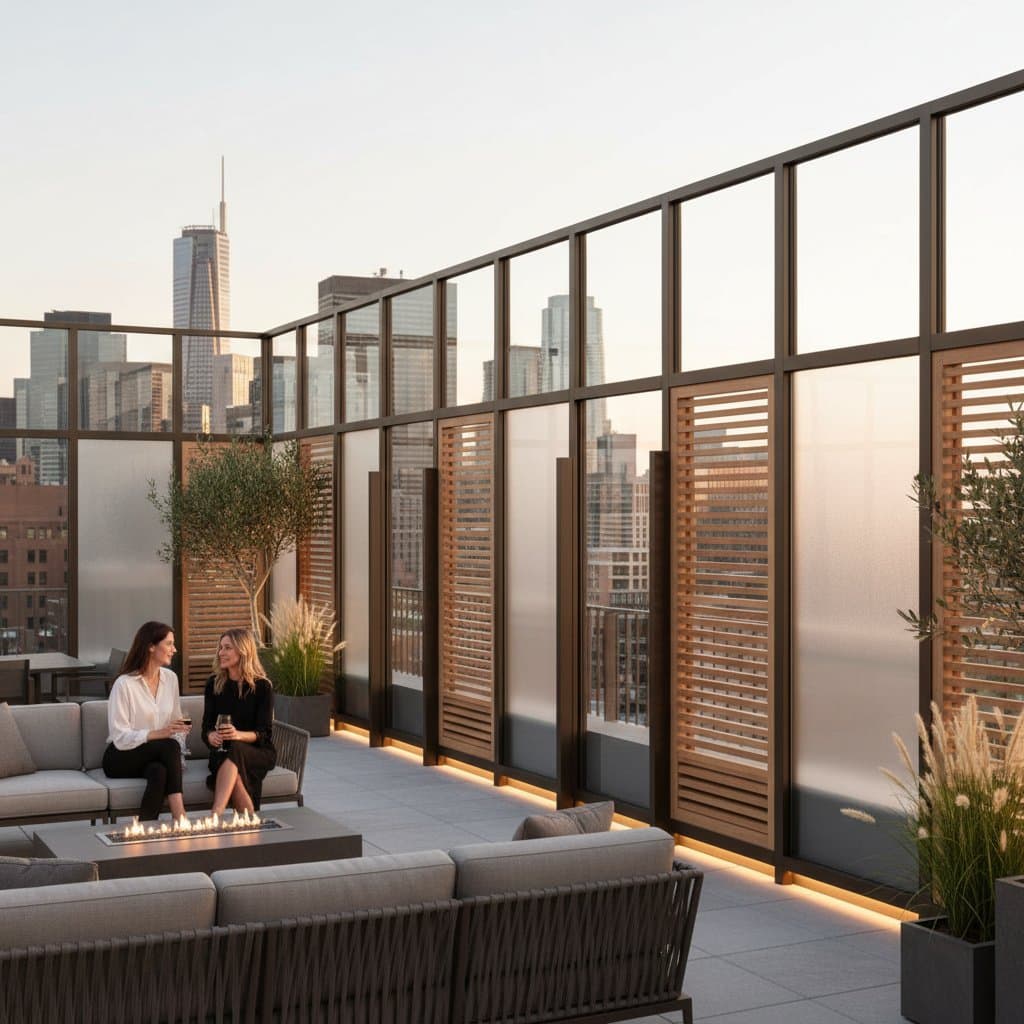
Elegant Wind Screens for Urban Rooftop Decks: Protection Without Sacrificing Views
Urban rooftops offer a valuable escape from the hustle below, yet persistent winds often render these spaces unusable. Items shift unexpectedly, vegetation overturns, and relaxation proves elusive. Thoughtfully designed wind screens address these challenges by diffusing air currents, retaining heat around lounging zones, and providing subtle seclusion while preserving panoramic vistas.
This guide delineates effective wind screen types suited to city environments, outlines secure installation procedures, and provides strategies for enduring maintenance across seasons. Readers gain insights into optimal material choices, strategic panel positioning, and methods to harmonize aesthetics with durability.
Essential Tools and Materials
Determine early whether to opt for freestanding panels or integrated screens. Each configuration demands robust fixation and elements resistant to weather exposure.
Required Tools
- Drill equipped with bits for masonry and wood
- Level to ensure precise alignment
- Measuring tape for accurate dimensions
- Safety glasses and gloves for protection
- Adjustable wrench and screwdriver set for assembly
Recommended Materials
- Tempered glass panels, 1/4 inch (6 mm) thick, ideal for transparent, contemporary designs
- Metal frames crafted from aluminum or powder-coated steel to withstand structural demands
- Outdoor fabric screens constructed from acrylic or polyester mesh for flexible coverage
- Planter boxes with minimum 12-inch (30 cm) depth to serve as natural barriers
- Anchor bolts and brackets compatible with concrete or wooden surfaces
- Sealant applied around anchors to block moisture entry
For leased properties or scenarios prohibiting deck penetration, select weighted planters or bases that secure to railings via clamps. Steer clear of lightweight plastic supports, which risk displacement during intense winds.
Key Safety Considerations
Verify compliance with municipal regulations prior to any drilling or erection of elevated features. Urban rooftops frequently impose restrictions on height and load capacity.
Position installations to avoid impeding drainage paths. Maintain narrow clearances along deck perimeters to facilitate unimpeded water runoff.
Don protective gloves and eyewear whenever cutting or drilling occurs. Refrain from solo handling of glass or metal components, as abrupt gusts may cause slippage.
Tether any unsecured elements, such as fabric coils or implements, while operating at elevated positions.
Estimating Costs and Timeline
Expenses fluctuate based on material type and dimensions, yet these approximate figures aid in budgeting:
- Fabric screens: $150 to $300 per panel
- Wood slat walls: $250 to $600 per section
- Glass panels: $400 to $900 each, inclusive of hardware
- Green windbreak planters: $200 to $500, incorporating established plants
Smaller decks typically require three to four panels, whereas expansive terraces may necessitate eight or more. Installation for a weekend endeavor spans one to two days following material delivery. Engaging a certified installer incurs an additional $100 to $200 per panel, guaranteeing adherence to codes and secure fastening.
Economical alternatives encompass heavy-duty outdoor curtains suspended on tension rods or bamboo rolls fastened to preexisting railings. These options suit tenants or individuals seeking adaptability across seasons. Prioritize quality in anchors and glass to avert failures under wind stress, which could result in substantial harm or accidents.
Effective Storage Strategies
Numerous rooftop enthusiasts prefer modular panels adaptable to seasonal variations. To facilitate safe storage or relocation:
- Affix labels to each panel and bracket using masking tape prior to dismantling.
- House fabric screens in moisture-proof containers shielded from direct sunlight.
- Position glass panels upright on cushioned platforms; avoid horizontal stacking.
- Organize reserve anchors and fittings in a designated pouch to streamline future setups.
Anticipating storage needs accelerates transitions between seasons and preserves the longevity of investments.
Innovative Design Concepts
Wind screens merge functionality with visual appeal. Consider these integrated approaches:
- Frosted glass paired with LED strip lighting at the base to illuminate evenings.
- Horizontal cedar slats featuring spaced intervals for a contemporary, partially permeable aesthetic.
- Elevated metal planters stocked with ornamental grasses that undulate softly yet disrupt airflow.
- Retractable mesh panels that coil upward during tranquil periods.
Combine diverse materials within unified frames to introduce tactile variety. For instance, a base layer of etched glass beneath an upper weave of steel mesh delivers seclusion alongside airflow. Align finishes with surrounding outdoor furnishings to achieve cohesive elegance.
Sustaining Long-Term Performance
A shielded rooftop fosters extended outdoor sessions and effortless social occasions. Beyond mere wind deflection, these installations influence ambiance and spatial dynamics. The absence of disturbances upon entry signals a successful configuration.
Preserve this tranquility through routine practices:
- Inspect arrangements following severe weather events.
- Apply protective coatings to wood surfaces before discoloration sets in.
- Wipe glass clean to eliminate buildup that obscures sightlines.
Diligent upkeep ensures wind screens endure multiple seasons, consistently enhancing the rooftop as a venue for repose, meals, and rejuvenation amid the urban expanse.