
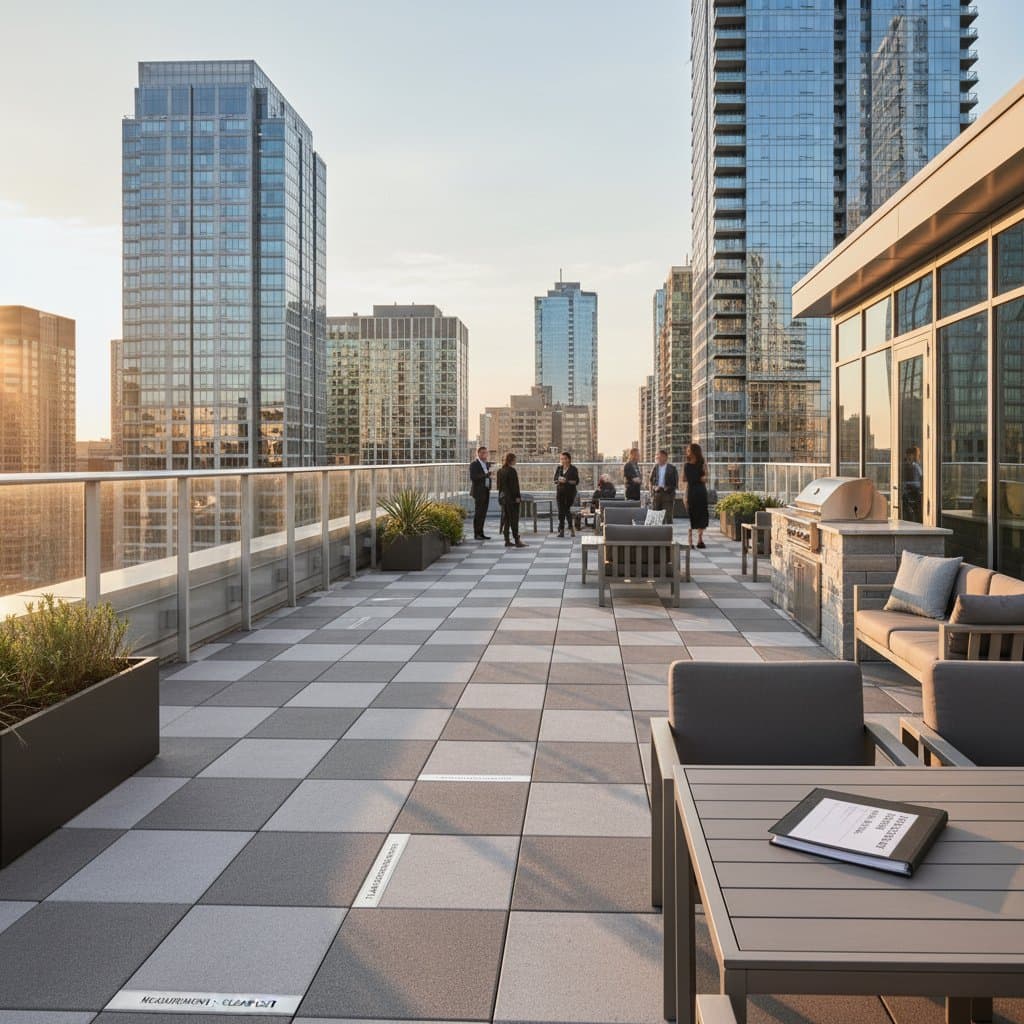
Why 2026 Fire Codes Will Change Your Rooftop Deck
Rooftop decks provide urban residents with valuable outdoor space for relaxation, entertaining, and gardening. These features increase property value and maximize limited building footprints. However, impending fire code updates will alter deck construction, furnishings, and operations. The primary objective remains enhanced safety, but compliance requires attention to specific requirements for owners, managers, and users of city rooftops.
Advance knowledge of these changes allows individuals to preserve scenic views and ensure tranquility. The updates target materials, layouts, egress routes, and upkeep protocols. The following sections outline key modifications and proactive measures to maintain compliance.
Overview of the Changes
Fire codes establish municipal and state regulations governing materials, separations, and protective systems to contain or prevent fire propagation. Rooftop decks fall under these guidelines due to their position above primary escape paths and proximity to mechanical systems. The 2026 revisions emphasize fire-retardant finishes, unobstructed evacuation corridors, and controls on rooftop storage or combustion activities.
Recent incidents involving rooftop blazes from outdoor heating devices, cooking appliances, and congested furnishing areas have prompted these enhancements. The codes introduce defined inspection protocols for property owners, necessitating documented evidence of adherence upon implementation.
For those considering new installations or renovations, familiarity with these shifts prevents future expenses associated with retrofits.
Essential Tools and Materials
Immediate full-scale overhauls prove unnecessary, yet assembling foundational resources facilitates smoother transitions to the new standards.
Recommended items to acquire:
- A tape measure extending at least 25 feet for verifying required clearances
- A metal scraper and wire brush to detect flaking finishes or deterioration
- Fire-rated sealant compatible with existing deck substrates
- Identification labels for gas or electrical appliances
- A dedicated binder for logging inspections and maintenance activities
Under the updated codes, surfaces may require Class A fire-rated decking, capable of withstanding ignition for a minimum of 30 minutes. Suitable options include composite lumber, pressure-treated hardwoods, or cast concrete, provided installation adheres to manufacturer specifications.
Preparation Steps for Your Rooftop Deck
Step 1: Measure and Map Designated Zones
Determine the deck's dimensions in length and width, then delineate areas for lounging, food preparation, and storage. Maintain a minimum of 3 feet clearance around all access doors and staircases. This buffer, poised to become mandatory, ensures unobstructed paths during emergencies.
Step 2: Evaluate Surface Materials
Examine the composition of your deck flooring. Non-treated timber or synthetic tiles might fail to satisfy forthcoming fire resistance criteria. For resurfacing projects, select composite boards or sealed concrete alternatives. Confirm each material displays a certified fire rating label prior to procurement.
Step 3: Examine Railings and Adjacent Walls
Railings must endure elevated temperatures and physical stress without failure. Opt for metallic or heat-treated wooden components that resist deformation. Where decks abut building walls, incorporate a 6-inch non-combustible separator, such as ceramic tiles or galvanized metal flashing, to inhibit vertical flame progression.
Step 4: Assess Heating and Cooking Appliances
Freestanding propane units and barbecues pose substantial ignition risks. Emerging restrictions may limit their application on compact decks. Transition to electric infrared heaters, which generate less basal heat. For outdoor cooking, position a metal drip pan beneath grills and station a 5-pound fire extinguisher within reach.
Step 5: Confirm Electrical Integrity
Numerous rooftop incidents originate from overburdened circuits. Engage a certified electrician to review wiring configurations and verify that exterior outlets possess weatherproof and thermal-resistant ratings. Employ robust, exterior-grade extension cords exclusively.
Step 6: Enhance Signage and Illumination
Affix glowing exit indicators where decks link to stair enclosures. Backup-powered emergency lights sustaining illumination for at least 90 minutes could emerge as a requisite. Solar-powered units qualify if they retain sufficient energy through nighttime hours.
Step 7: Document All Modifications
Compile upkeep records and assessment summaries in a centralized file. Inspectors will demand substantiation of conformity. Sequential photographs capturing the deck's state, components, and configuration streamline future verifications and mitigate penalties.
Everyday Safety Practices
Position furniture at least 12 inches from ignition sources like flames or heating elements. Prohibit storage of fuel containers, paints, or solvents on the deck. Remove debris through weekly sweeping, as accumulated dry foliage ignites readily.
Incorporate non-slip treatments on stair treads and access ladders to facilitate secure evacuations. Conduct biannual pressure tests on fire extinguishers.
For shared spaces, display prominent notices detailing emergency contacts and descent procedures. All occupants must comprehend rapid routes to ground level.
Resolving Frequent Challenges
Soft or yielding deck surfaces: Substitute sections that flex under weight. Subjacent moisture retention fosters smoldering conditions.
Unstable railing anchors: Secure fasteners and reinforce with steel supports. Reliable barriers provide essential grips during escapes.
Intermittent lighting or circuit interruptions: These signal circuit overloads. Deactivate power at the main panel and summon a qualified electrician.
Lingering smoke or scents post-cooking: Thoroughly cleanse burners and catch pans. Residual grease accumulates and self-ignites at modest temperatures.
Avoid superficial repairs on scorched areas or fractured tiles with standard paints or compounds. Apply specialized fire-retardant sealers that defend against humidity and combustion.
Cost and Timeline Considerations
Modest enhancements, encompassing sealants, indicators, and extinguishers, typically fall below $300. Fire-compliant decking or railing replacements range from $15 to $25 per square foot, inclusive of installation. Electrical evaluations for modest structures cost between $150 and $400.
Routine preparations span one to two weekends. Extensive renovations demand collaboration with code-savvy contractors. Request material certification documentation matching flame-spread indices before agreements.
Ongoing Maintenance Protocols
Sustain compliance through monthly evaluations once standards align.
- Clear and scrutinize surfaces for detachments or vulnerabilities.
- Validate lighting and reserve power monthly.
- Renew fire-rated sealants biennially, or earlier upon visible degradation.
- Relocate furnishings to interior storage over winter periods.
- Archive all interventions with timestamps and invoices.
Routine care surpasses the burdens of post-violation reconstructions. Pristine, maintained decks elevate usability and market appeal.
Seasonal Adjustment Guidelines
During warmer seasons, curtail exposed flames and monitor for parched litter accumulation. In cooler periods, heating devices and protective enclosures risk heat retention against structures; preserve adequate gaps. Prior to vernal onset, ensure drainage channels remain unobstructed to avert subsurface pooling. Accumulated fluids compromise sealants and diminish fire endurance.
For vegetative accents, employ metallic or porcelain containers over polymeric ones. These alternatives avoid melting or ignition adjacent to heat sources. Position textiles or shading structures distant from flues or vents.
Efficient Storage Strategies
Confine pillows, parasols, and enclosures within metal deck storage units featuring secure closures. Relocate implements and combustible cleansers to ground-level facilities. Affix safety certifications to persistent outdoor items, such as power leads and warming apparatus.
For integrated seating or enclosures, sheath interiors with lightweight metal linings to deflect thermal buildup. This precaution moderates internal temperatures amid intense solar exposure.
Indicators for Professional Assistance
Seek certified contractors or fire protection experts when:
- Modifying fuel conduits or integrating fixed cooking stations.
- Detecting corrosion or structural deflection in the framework.
- Preparing submissions for audits or policy renewals.
Achieving Compliance and Enjoyment
Implementing these preparations transforms potential challenges into opportunities for safer, more durable rooftop spaces. Property owners who act decisively not only meet regulatory demands but also foster environments that support long-term leisure and value retention. Consult local authorities for the latest timelines to align your project effectively.