
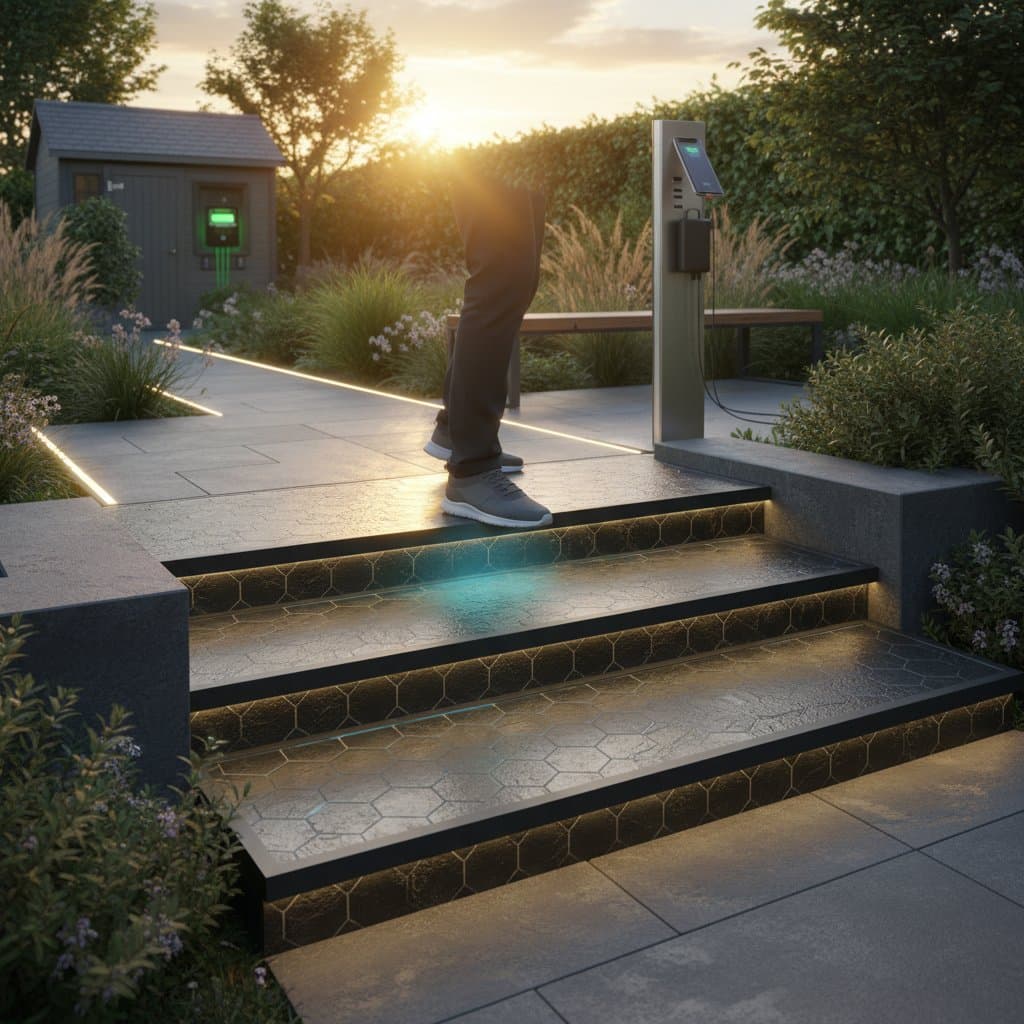
Solar Pavers: Harnessing Sunlight and Footsteps for Clean Energy
Walkways and patios serve more than transportation purposes. Solar pavers integrate photovoltaic cells and piezoelectric sensors to capture sunlight and convert the pressure from footsteps into usable electricity. These durable tiles resemble traditional paving stones but embed advanced energy-harvesting components beneath their surface.
The result allows ordinary paths to generate power for lighting, device charging, or emergency backups. This guide details the mechanics of solar pavers, installation procedures, safety measures, cost considerations, and upkeep strategies. Readers gain practical insights to evaluate suitability for their outdoor spaces.
How Solar Pavers Function
Solar pavers combine two energy sources: solar photovoltaic technology and piezoelectric materials. Photovoltaic cells absorb sunlight and transform it into direct current electricity. Piezoelectric sensors, activated by mechanical stress from steps or vehicle passage, produce voltage through crystal deformation.
A typical paver measures 12 by 12 inches and generates 1 to 5 watts per unit, varying with light exposure and foot traffic. Multiple pavers connect via wiring to a central controller that directs output to batteries or low-voltage applications. In high-traffic areas, a 100-square-foot installation might yield enough energy to illuminate pathway lights or power security sensors for several hours daily.
These innovations suit sunny, active zones like residential driveways, garden paths, or commercial walkways. Advancements in durable encapsulants and efficient converters have reduced costs, making adoption feasible for homeowners seeking sustainable upgrades.
Essential Tools and Materials
For a basic installation covering 20 to 40 square feet, gather these items:
- Solar pavers equipped with pre-installed wiring, typically 10 to 20 pieces
- Outdoor-rated conduit pipes and waterproof connectors
- Sealed junction box for electrical terminations
- Compact battery storage unit or DC inverter for power management
- Coarse gravel and fine sand for foundational layering
- Rubber mallet, spirit level, and tamping tool for precise placement
- Insulated gloves and a multimeter for voltage testing
Many manufacturer kits supply interconnected pavers and a control module. Verify compatibility with local electrical codes and ensure all components withstand outdoor elements like rain and temperature fluctuations.
Installation Process
1. Design the Layout
Outline the target area with stakes and string. Calculate square footage by multiplying length by width; each standard paver covers one square foot. Select a location with minimum six hours of direct sunlight and consistent pedestrian activity to maximize output.
Consider access points for wiring and avoid shading from trees or structures. Sketch a diagram noting paver positions and conduit routes to streamline the project.
2. Build the Foundation
Excavate two inches of existing soil or pavement. Spread one inch of gravel to promote drainage, followed by one inch of sand. Use a plate compactor to create a firm, even base that prevents shifting and protects embedded electronics.
Test for level across the entire surface; minor adjustments now avoid future instability.
3. Install Conduit and Wiring
Bury conduit trenches at a depth of four inches before paver placement. Route low-voltage cables through the pipes, securing with waterproof fittings at junctions. Inspect for frays or kinks, as these compromise system integrity.
Connect to the central controller per the manual, maintaining polarity to prevent short circuits.
4. Position the Pavers
Place pavers one by one onto the sand bed, starting from a fixed edge. Gently tap with a rubber mallet to embed them securely. Align edge connectors for seamless electrical linkage, following manufacturer specifications for snaps or screws.
Maintain uniform spacing of 1/8 inch between units to allow for thermal expansion.
5. Verify Electrical Connections
After assembly, employ a multimeter to test continuity and voltage across the array. Isolate and repair any faulty links, such as misaligned plugs. Power up the system gradually, monitoring for heat buildup in wires or the controller.
6. Seal and Finalize
Fill joints with polymeric sand or fine silica, sweeping excess material away. Lightly mist the surface to activate binding agents, then allow 24 hours to cure. This step locks pavers in place while repelling water from sensitive areas.
Safety Considerations
Handle electrical components with insulated tools to minimize shock risks. Schedule work during dry weather, as moisture amplifies conductivity hazards. Restrict access to the site for children and animals until completion.
Solar pavers support light vehicular loads if specified, but avoid heavy machinery. Promptly replace fractured units to avert exposed wiring and potential hazards.
Common Issues and Solutions
Zero Energy Production: Inspect all connections for tightness and correct polarity. Clean photovoltaic surfaces to restore sunlight capture.
Intermittent Power Delivery: Evaluate battery charge levels or inverter capacity; distribute load across multiple outputs if necessary.
Water Infiltration: Extract affected pavers, dry internals thoroughly, and renew gaskets before repositioning.
Surface Irregularities: Lift and readjust over sand-deficient spots, adding material as needed for uniformity.
Conduct quarterly visual checks to identify wear early, extending system reliability.
Cost Estimates and Timeline
Expect $3 to $5 per watt for materials in small-scale projects. A 20-square-foot setup ranges from $600 to $1,000, inclusive of batteries and controllers. Professional labor incurs an additional $200 to $400, depending on site complexity.
DIY efforts suit weekends for modest areas; larger installations demand 2 to 3 days. Hybrid designs, using solar pavers only along edges with conventional fillers, cut expenses by 40 percent while preserving functionality.
Upkeep Practices
Monthly cleaning with mild detergent and a soft-bristle brush maintains optimal solar efficiency. Steer clear of high-pressure rinses that erode protective seals. Remove debris like fallen leaves or accumulated snow to ensure unobstructed light access.
Annually examine wiring for corrosion, resealing entry points as required. Batteries typically last 5 to 7 years; monitor voltage drops and replace proactively to sustain performance.
With diligent care, these installations endure 10 to 15 years, delivering consistent renewable energy.
Optimizing Energy Applications
Direct harvested power to efficient uses such as 3-watt LED pathway illuminators or USB charging stations. Integrate smart controls like dusk-to-dawn sensors to automate distribution and conserve reserves.
For expanded setups, connect to a home monitoring dashboard to quantify daily yields. This data informs decisions on scaling, such as adding pavers to underutilized sunny corridors.
Professional Installation Guidance
Opt for experts when projects exceed 100 square feet, involve grid integration, or require custom engineering. Licensed electricians ensure compliance with building regulations and optimize wiring for peak efficiency. Consult local suppliers for warranties and post-installation support to safeguard your investment.