
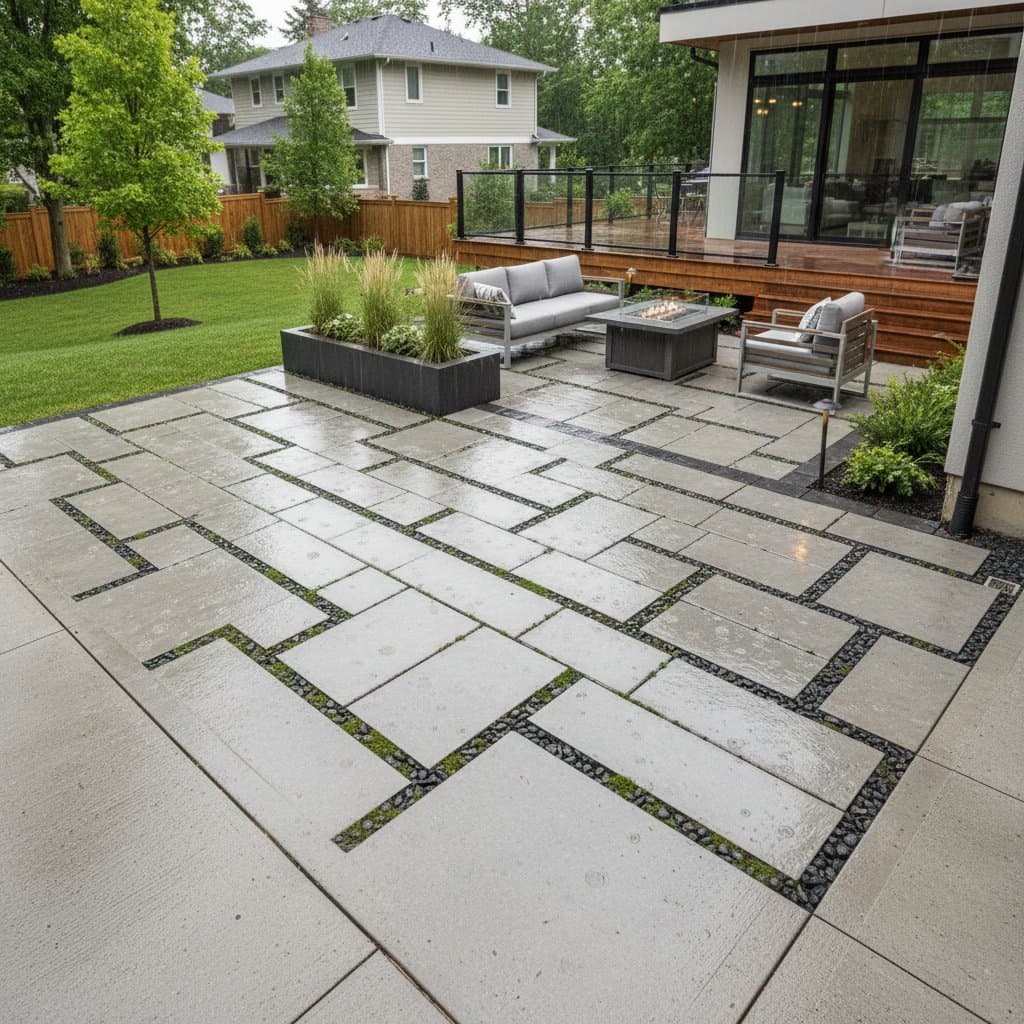
Understanding Permeable Pavers
Permeable pavers offer a practical solution for managing stormwater in residential and urban environments. Unlike traditional impervious surfaces, these pavers allow water to percolate through joints filled with gravel or sand, directing it into underlying stone reservoirs. This design reduces surface pooling, alleviates erosion, and supports groundwater recharge.
Homeowners benefit from decreased flood threats to basements and foundations, particularly in regions prone to heavy rainfall. Additionally, permeable systems contribute to cooler microclimates by limiting heat absorption from concrete or asphalt. Local regulations in many cities encourage or mandate such installations to mitigate urban flooding and comply with environmental standards.
Selecting the right pavers involves considering material durability, aesthetic options, and load-bearing capacity. Concrete, clay brick, or porous concrete varieties suit different applications, from walkways to vehicle areas. Proper planning ensures the system integrates seamlessly with existing landscapes while delivering long-term performance.
Installation Guide for Permeable Pavers
Successful installation requires precise preparation to ensure effective drainage and structural integrity. Begin with site assessment to evaluate soil type, slope, and existing drainage patterns. Tools needed include a shovel, wheelbarrow, level, rubber mallet, and plate compactor. Follow these steps methodically for optimal results.
1. Excavate the Area
Mark the project boundaries and remove sod or existing pavement to a depth of 6 to 8 inches for patios or 8 to 12 inches for driveways. Clear debris and roots to create a clean, stable subgrade. Maintain a slight slope of 1 to 2 percent away from structures to facilitate water flow.
2. Prepare the Subgrade
Rough grade the excavated area with a rake or grading tool to establish the desired contour. Compact the soil using a hand tamper or roller to prevent future settling. Test for levelness across the surface to avoid uneven water distribution.
3. Add a Separation Layer
Position landscape fabric over the subgrade to prevent soil migration into the stone layers and inhibit weed growth. Overlap adjacent strips by at least 6 inches and secure edges with stakes. This barrier maintains the integrity of the drainage system over time.
4. Build the Stone Base
Distribute crushed stone in 2-inch lifts, compacting each thoroughly with a plate compactor. Achieve a total base depth of 4 inches for light-duty patios or 6 inches for driveways supporting vehicles. Verify slope consistency during layering to promote even infiltration.
5. Add the Bedding Layer
Apply 1 inch of fine gravel or concrete sand over the base and screed it level using a straightedge board. This cushioning layer supports the pavers while allowing uniform water passage. Avoid over-compaction to preserve permeability.
6. Lay the Pavers
Commence placement from a straight edge, such as a wall or string line, progressing outward. Maintain uniform joint spacing of about one-quarter inch using plastic spacers. Gently tap each paver into the bedding with a rubber mallet for secure seating.
7. Fill the Joints
Introduce clean gravel or polymeric sand into the joints via sweeping, then lightly mist with water to activate and settle the material. Repeat the process until joints remain fully packed. This step ensures continuous water pathways without clogging.
8. Install Edge Restraints
Secure perimeter pavers with plastic, metal, or concrete edging anchored by 12-inch spikes spaced every foot. These restraints counteract lateral movement from traffic or freeze-thaw cycles. Trim excess fabric and backfill around edges with soil.
9. Compact and Clean
Pass a plate compactor over the entire surface in multiple directions to interlock pavers and eliminate minor irregularities. Sweep away residual dust and rinse gently to reveal the finished appearance. Allow the area to cure for 24 hours before use.
How Permeable Pavers Reduce Flood Risks
Permeable paver systems rely on a stratified design to capture, filter, and infiltrate rainwater efficiently. The surface layer comprises pavers with open joints that permit initial water entry. Below lies a reservoir of coarse aggregate that temporarily holds excess volume, slowing release to the subsoil.
During precipitation events, this setup processes up to 5 gallons per square foot per minute, accommodating typical residential downpours without accumulation. In denser urban areas, such installations alleviate strain on municipal sewers, curbing overflows and pollution. Over time, filtered water improves soil health and reduces reliance on mechanical drainage solutions.
Compared to impermeable alternatives, permeable pavers cut runoff by 70 to 90 percent, depending on soil absorption rates. Regular inspections confirm sustained performance, with adjustments addressing any sediment buildup from nearby plantings or traffic.
Cost Considerations and Timeline
Expect to invest 8 to 14 dollars per square foot for a standard permeable patio, factoring in materials and labor. Driveway projects demand 15 to 22 dollars per square foot owing to reinforced bases for vehicular support. DIY efforts on smaller areas span two weekends, while professionals complete mid-sized installations in three to four days.
Key expenses stem from excavation volume and aggregate specifications. Opt for regionally sourced materials to minimize transport fees, or repurpose compatible stones from prior projects. Prioritize high-quality base components for durability; skimping here invites premature failures. Annual upkeep remains minimal, typically under 50 dollars for joint refreshing and surface sweeping.
Common Issues and Solutions
Address challenges promptly to preserve system efficacy. The following outlines frequent concerns with targeted remedies.
Water Pooling After Rainfall
Clogged joints or a densified base often cause this issue.
Excavate and flush affected joints, then replenish with fresh gravel to restore flow.
Paver Shifting or Sinking
Inadequate base preparation or compaction leads to instability.
Excavate the problematic zone, introduce additional stone, recompact, and reinstall pavers.
Weed Growth in Joints
Accumulated organic matter fosters unwanted vegetation.
Manually extract weeds, apply a natural herbicide like vinegar solution, vacuum debris, and refill joints.
For issues spanning over 25 square feet, engage a specialist. Experts employ permeability tests and partial resets to diagnose and resolve underlying problems without complete overhaul.
Professional Installation Recommendations
Seek expert assistance for sites with slopes exceeding 5 degrees or proximity to building foundations. Professionals engineer custom gradients and underdrains to prevent water migration toward structures. For driveways enduring loads over 10,000 pounds, consult on enhanced base configurations using angular aggregates for superior stability.
When evaluating contractors, inquire about base specifications, restraint methods, and guarantees against settling or infiltration loss. Request portfolios of similar projects to gauge expertise. A qualified team ensures compliance with local codes and optimizes the design for your property's unique conditions.
Realizing the Benefits of Your Permeable Paver Project
Implementing permeable pavers yields multifaceted advantages, from flood mitigation to aesthetic uplift. These surfaces endure seasonal changes while demanding little ongoing effort, fostering a resilient outdoor environment. Property values appreciate through enhanced curb appeal and eco-conscious features that attract discerning buyers.
Monitor the installation's performance seasonally, adjusting as needed to sustain peak functionality. Integrate complementary elements like rain gardens or native plantings to amplify sustainability. This investment not only safeguards your home but also contributes to broader community resilience against climate challenges.