
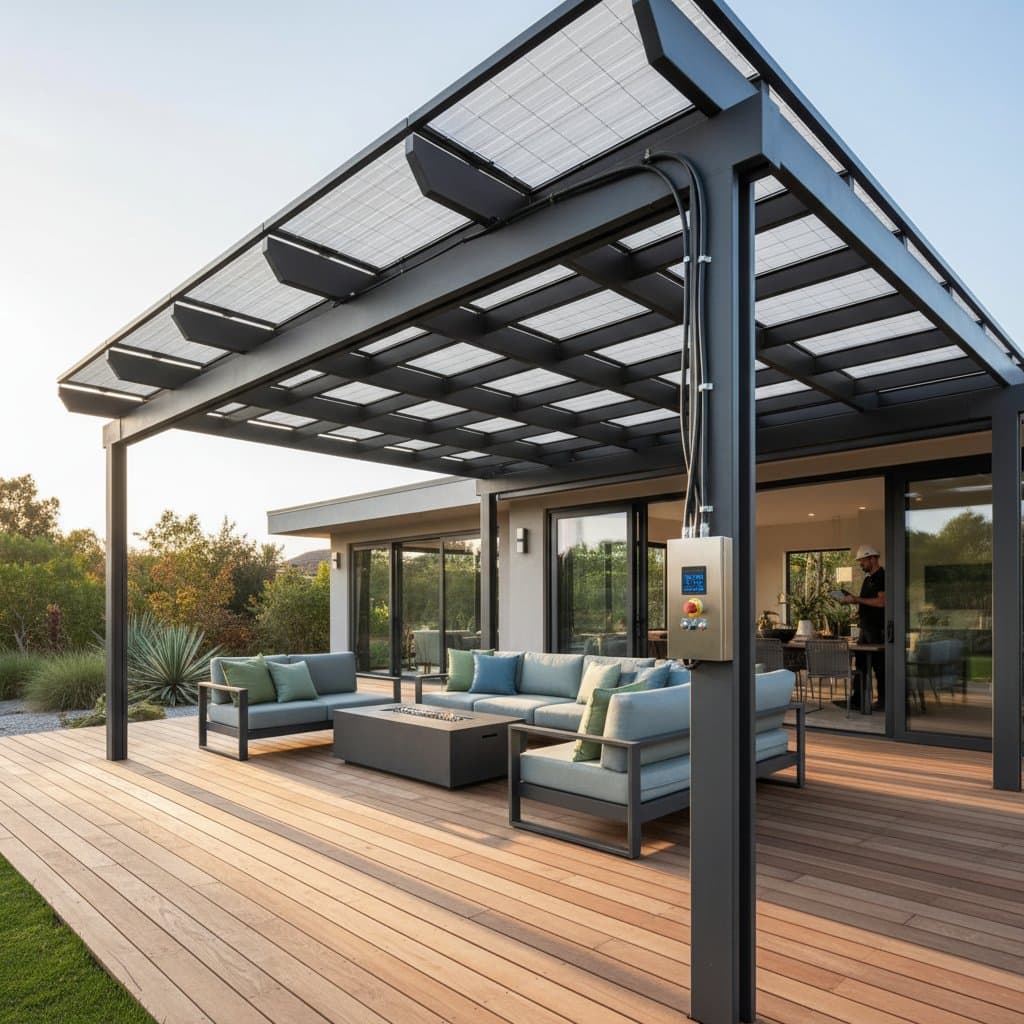
5. Connect Wiring and Inverter
Secure conduit along the pergola's structural frame to shield electrical wires from weather exposure and physical damage. Begin by linking each solar panel to the inverter using appropriately rated cables, ensuring polarity matches to prevent reverse current flow. Then, integrate the inverter with your home's electrical panel or a separate outdoor-rated circuit breaker. Always engage a certified electrician to inspect and approve these connections prior to energizing the system, as improper setup can lead to hazards like electrical shorts or fire risks.
6. Test the System
With the system powered up, monitor the inverter's digital display to verify that each panel produces output within its specified range, typically measured in watts under standard test conditions. Simulate overload scenarios to ensure circuit breakers activate promptly and reset without issues. Should output fall short of projections, start by gently cleaning the panels to remove any obstructions, followed by a thorough examination of all wiring joints for corrosion or looseness. Document initial performance metrics to establish a baseline for future comparisons.
Troubleshooting Common Issues
Even well-designed solar pergolas may encounter occasional challenges. Addressing them promptly maintains optimal performance and extends system longevity.
Low Power Output
- Possible Causes: Accumulation of dust, pollen, bird droppings, or light snow on panel surfaces can block sunlight and diminish efficiency by up to 20 percent.
- Solutions: Schedule routine cleaning with a solution of mild soap and lukewarm water, applied using a soft sponge or microfiber cloth. Rinse thoroughly and allow panels to dry completely before retesting output. Perform this task during cooler parts of the day to avoid thermal stress on the panels.
Flickering Lights or Sudden Power Loss
- Possible Causes: Vibrations from wind or settling structures may loosen inverter terminals, or wires with insufficient thickness could overheat under load.
- Solutions: Power down the system and use a torque wrench to secure all connections according to manufacturer specifications. Verify wire gauge against the system's amperage requirements, upgrading if necessary to 10-gauge or thicker for runs over 50 feet. Consult a professional electrician for diagnostic testing with multimeters to identify intermittent faults.
Uneven Shade Patterns Affecting Performance
- Possible Causes: Overhanging tree branches, adjacent buildings, or seasonal foliage shifts can create intermittent shadows, reducing panel exposure by 10 to 30 percent.
- Solutions: Conduct a solar path analysis using free online tools to map daily sun trajectories. Prune obstructing vegetation carefully to avoid damaging roots, or reposition adjustable panels by 5 to 15 degrees for better alignment. In persistent cases, consider adding micro-inverters to individual panels for localized optimization.
Essential Maintenance Practices
Sustaining a solar pergola involves straightforward routines that prevent wear and ensure consistent energy yield. Dedicate time every three months for inspections, adjusting frequency based on local climate conditions like heavy pollen seasons or coastal salt exposure.
- Panel Cleaning: Employ a extendable soft-bristle brush dipped in a non-abrasive cleaner to dislodge debris without scratching the photovoltaic surface. Focus on tilted angles where water pools less naturally.
- Wiring Inspection: Examine cables for insulation cracks, UV degradation, or rodent chew marks. Replace any compromised sections immediately to avert short circuits.
- Structural Tightening: Use a socket set to check and fasten all bolts, nuts, and brackets, particularly at base posts and roof joints, countering expansion and contraction from temperature fluctuations.
- Wood Protection: Select a penetrating sealant suited to your pergola's wood type, such as cedar or pressure-treated pine, and apply a fresh coat annually in dry weather to resist moisture ingress and fungal growth.
- Drainage Verification: Clear gutters or sloped edges of leaves and sediment to direct rainwater away from the deck foundation, preventing pooling that could erode supports or stain surfaces.
Following severe weather events, such as storms with winds exceeding 40 miles per hour, perform an expedited 10-minute walkthrough to spot dislodged components or water intrusion, addressing issues before they escalate into costly fixes.
Incorporating Smart Storage Solutions
Maximize the utility of your deck by weaving storage elements seamlessly into the pergola framework, especially if it serves as a hub for relaxation or entertaining. Opt for built-in benches with lift-up seats that conceal compartments for stowing outdoor essentials like grilling utensils, weather-resistant pillows, or backup extension cords rated for wet locations.
Position a compact, IP65-rated enclosure adjacent to the inverter for housing maintenance tools, spare fuses, and system documentation, ensuring easy access without cluttering walkways. Organize electrical cords in labeled reels to prevent knots around outlets, and install grounded surge protectors for connected devices.
For added convenience, mount rust-resistant hooks or pegboards on interior posts to suspend hoses, retractable awnings, or seasonal lighting strands. Clearly mark each electrical outlet with adhesive tags indicating its solar-fed status versus grid backup, helping users make informed choices about powering appliances like fans or Bluetooth speakers.
Key Takeaways for Success
Investing in a solar pergola delivers compounded benefits, merging functional shade that lowers ambient deck temperatures by 10 to 15 degrees Fahrenheit with on-site renewable energy production. This setup not only reduces reliance on air conditioning during peak summer hours but also trims utility costs through net metering credits, potentially recouping installation expenses in 5 to 7 years.
Tailor the array's capacity to your specific usage: a modest 1.5-kilowatt setup suffices for pathway illumination, phone charging, and low-wattage gadgets, while scaling to 3 kilowatts supports robust needs like electric grills or hot tubs. Prioritize south-facing orientation at a 20- to 40-degree tilt for maximum solar capture, and commit to regular panel maintenance to sustain 80 to 90 percent efficiency over the system's 25-year lifespan.
Steps to Launch Your Project
Initiate the process by precisely measuring your deck's dimensions and plotting a scaled diagram that accounts for post placements, panel arrays, and clearance for foot traffic. Research material costs through supplier quotes, factoring in variables like panel wattage and frame durability to build a realistic budget.
Review municipal building codes for solar installations, which often mandate permits for structures over 200 square feet or those tied to home electrical systems. Submit detailed engineering drawings, including load calculations and grounding plans, at least 30 days in advance to streamline approvals and avoid delays in your 2026 timeline.