
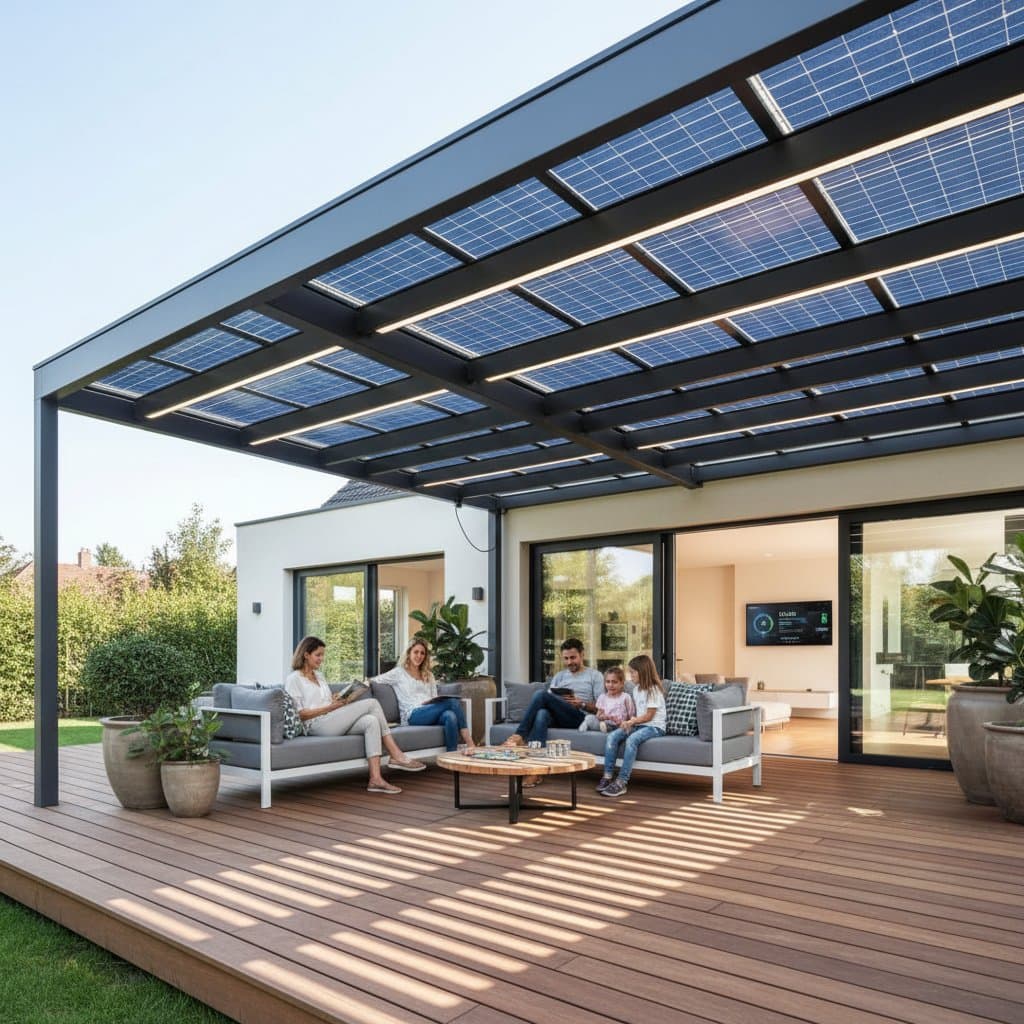
Solar Pergolas: Reducing Deck Heat and Generating Home Power
Solar pergolas represent an innovative blend of outdoor architecture and renewable energy technology. These structures provide shade to mitigate the intense heat on decks while integrating solar panels to produce electricity for household use. Homeowners in urban areas like New York City find them particularly appealing for enhancing comfort and sustainability.
By installing a solar pergola, individuals can transform a sun-exposed deck into a shaded oasis that contributes to energy independence. The panels capture sunlight efficiently, converting it into usable power without obstructing the view or usable space below. This dual functionality addresses common challenges in outdoor living spaces.
Understanding Solar Pergolas
A solar pergola consists of a sturdy frame supporting photovoltaic panels arranged to form a partial roof. Unlike traditional pergolas, which offer only aesthetic shade, solar versions incorporate energy-generating components. The design allows airflow beneath the panels, promoting natural cooling.
These structures suit various deck sizes and styles, from modern minimalist to rustic wooden finishes. Engineers optimize panel angles for maximum solar exposure based on local sunlight patterns. In regions with high summer temperatures, such as the Northeast, they effectively lower surface temperatures by up to 20 degrees Fahrenheit.
Key Benefits for Decks and Homes
Solar pergolas reduce heat buildup on deck surfaces, making outdoor gatherings more enjoyable during peak summer months. The shade prevents wood or composite materials from warping or fading under prolonged sun exposure. This protection extends the lifespan of deck furnishings and flooring.
On the energy side, integrated panels generate clean electricity, potentially offsetting 10 to 30 percent of a home's power needs depending on size and location. Excess energy can feed into the grid through net metering programs, providing credits on utility bills. Over time, these savings accumulate, often recouping the initial investment within 7 to 10 years.
Environmentally, solar pergolas decrease reliance on fossil fuels and lower carbon footprints. They align with green building standards, appealing to eco-conscious homeowners. In urban settings, they contribute to community-wide sustainability efforts without requiring large rooftop installations.
Design Considerations
Select a design that complements the home's architecture and deck layout. Measure the available space to ensure the pergola fits without encroaching on walkways or neighboring properties. Consider orientation: south-facing positions in the Northern Hemisphere maximize solar capture.
Customize the frame with materials like aluminum for durability or cedar for a natural look. Adjustable louvers beneath panels allow control over light and ventilation. Integrate features such as built-in lighting or retractable screens for versatility across seasons.
Consult local zoning regulations early in the planning process. Professionals can assess wind loads and snow weight capacity, especially in variable climates. A well-designed pergola enhances curb appeal, potentially increasing property value by 5 to 8 percent.
Essential Materials
High-quality photovoltaic panels form the core, rated for outdoor endurance with warranties up to 25 years. Choose monocrystalline panels for higher efficiency in limited spaces. Frames made from powder-coated aluminum resist corrosion and require minimal upkeep.
Support posts anchor the structure securely to the deck or ground. Use galvanized steel for added strength in high-wind areas. Roofing elements, if included, should allow water runoff to prevent pooling on panels.
Sealants and wiring must meet electrical codes for safety. Opt for microinverters to optimize each panel's output independently. These components ensure reliable performance year-round.
Installation Steps
-
Prepare the site by clearing the deck area and verifying level ground. Obtain necessary permits from local authorities to comply with building codes.
-
Assemble the frame according to manufacturer instructions. Secure posts with concrete footings if freestanding, or bolt them to the deck's ledger board for attached models.
-
Mount the solar panels onto the frame, ensuring proper spacing for airflow. Connect wiring to an inverter and tie it into the home's electrical system via a certified electrician.
-
Test the system for functionality, including panel output and shade effectiveness. Apply weatherproofing to all joints and connections.
Professional installation recommended for complex setups takes 1 to 3 days. DIY options suit smaller, kit-based pergolas but require electrical knowledge.
Safety and Maintenance Practices
Position the pergola away from overhead power lines and ensure grounding prevents electrical hazards. Install railings if elevated, and use non-slip deck surfaces beneath for stability.
Regular maintenance involves cleaning panels quarterly with soft brushes and mild soap to remove debris. Inspect frames annually for loose bolts or rust, tightening as needed. Monitor energy production through connected apps to detect issues early.
In winter, clear snow gently to avoid panel damage. Schedule professional inspections every 3 to 5 years for structural integrity. These practices keep the system efficient and safe for family use.
Maximizing Value and Comfort
A solar pergola elevates outdoor living by creating a versatile space for relaxation and entertainment. It delivers immediate shade relief and long-term energy savings, fostering a sustainable lifestyle. Homeowners report higher satisfaction with their properties after installation.
Pair the structure with energy-efficient appliances to amplify benefits. Explore incentives like federal tax credits to offset costs. Ultimately, this investment enriches daily life while supporting environmental goals.