
Loading...

Mycelium Decks: Eco-Friendly Wood Replacement for NYC Urban Patios | Urban Outdoors - Small-Space Gardens, Rooftop Decks, Balconies, Decks, Backyard Design
Skip to main content
Urban Outdoors
Search
Home
  1. Home
  2. /
  3. Deck Construction & Remodeling
  4. /
  5. Fungal Fibers That Replace Wood Decks and Compost Clean
Deck Construction & Remodeling

Fungal Fibers That Replace Wood Decks and Compost Clean

byAnne Marion
2026-01-24 03:56:32January 24, 2026
5 min read
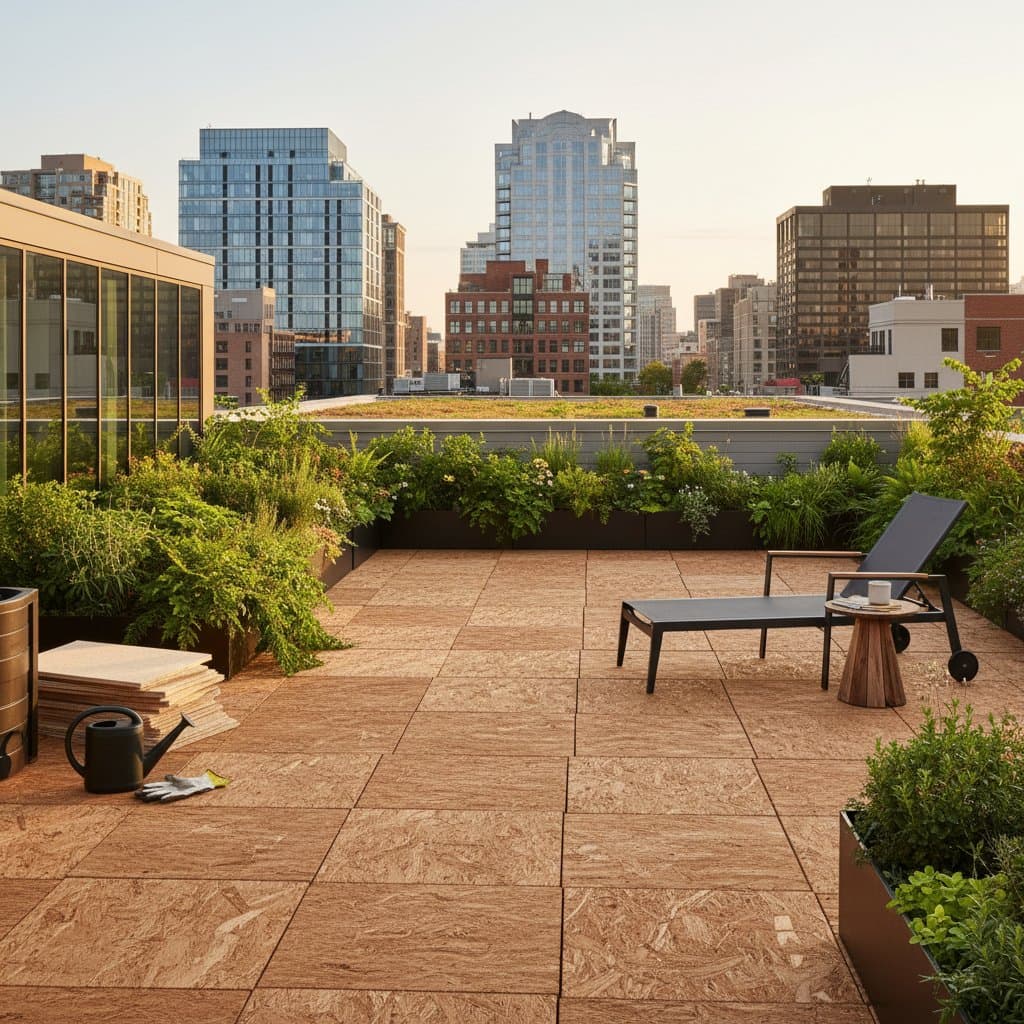
Featured image for Fungal Fibers That Replace Wood Decks and Compost Clean

Categories

Navigation

  • Home
  • All Articles
  • About Us
  • Privacy Policy
  • Terms of Service

© 2026 Urban Outdoors. Crafted for bold city dwellers.

2026-01-25 03:54:05
Urban Outdoors - Small-Space Gardens, Rooftop Decks, Balconies, Decks, Backyard Design

Mycelium Decks: Sustainable Revolution for Urban Spaces

Urban patios and rooftop decks frequently depend on imported wood or plastic composites, which generate waste and contribute to carbon emissions. A deck material that performs reliably, offers a welcoming appearance, and decomposes without environmental harm has long been needed. Mycelium, the root-like structure of fungi, addresses this need. It develops rapidly, consolidates waste materials into sturdy forms, and degrades safely at the end of its lifecycle. Although mycelium decks may appear innovative, the production method proves straightforward, and the outcomes deliver impressive functionality.

This guide details the nature of mycelium decking, its advantages over conventional materials, the essentials for construction, and maintenance strategies suited to crowded urban environments.

Overview

Mycelium decking employs fungal threads to fuse organic substances like sawdust, straw, or hemp hurds. The blend fills molds and incubates for several days to solidify into panels. Baking halts fungal activity, yielding lightweight, moisture-resistant surfaces capable of supporting pedestrian use.

The material's lifecycle enhances its value. It repurposes agricultural residues destined for landfills. Panels compost fully or support recolonization at disposal. In space-constrained cities, mycelium decks provide minimal-impact flooring that feels organic and adapts to compact layouts.

Tools and Materials

For experimenting with a small deck segment or substituting select planks, gather these items:

  • Mycelium substrate mixture: approximately 1 cubic foot (28 liters) per 2 square feet of coverage.
  • Growth molds: shallow containers or plank forms crafted from reusable plastic or wood.
  • Heat source: an oven or dehydrator to terminate growth and strengthen the material.
  • Sealant: natural wax or bio-based resin to shield against water.
  • Deck framework: steel, recycled plastic, or decay-resistant wood.
  • Protective gloves and mask: essential for safe handling during preparation.

Starter kits with substrate and fungal inoculum range from 60 to 100 dollars, sufficient for roughly 10 square feet. Complete deck projects incur greater expense, yet the material's durability and biodegradability often offset initial outlays.

Steps

1. Prepare the Substrate

Combine sawdust or similar plant fibers with the mycelium inoculum. Maintain a moist consistency without excess water; the mixture should hold together when compressed. Don protective gloves to minimize contamination risks.

2. Fill the Molds

Distribute the mixture into molds to a depth of 1.5 inches (4 centimeters). Compact it uniformly to eliminate voids. Drape a permeable cloth over the top to block debris while permitting air circulation.

3. Grow the Panels

Position the molds in a shaded, temperate location for five days. The mycelium colonizes the substrate, imparting a white hue and rigidity. Refrain from moving the setups during incubation.

4. Bake to Finish

When panels achieve firmness, expose them to 200 degrees Fahrenheit (93 degrees Celsius) for one hour. This process neutralizes spores and secures structural integrity. Employ heat-proof gloves to avoid injury.

5. Seal and Install

Allow cooling, then apply a light layer of wax or resin with a brush. Secure panels to the frame via screws or clips. Incorporate 0.25-inch (6-millimeter) intervals between panels to facilitate drainage.

6. Test Load and Adjust

Traverse the deck to assess stability. Reinforce underlying areas showing deflection. Properly braced panels withstand 40 pounds per square foot (195 kilograms per square meter).

Safety Tips

  • Wear gloves and a mask during substrate handling; fungal spores pose minimal risk but may affect those with respiratory sensitivities.
  • Maintain a clean growth zone, excluding food or refuse to prevent extraneous mold development.
  • Utilize heat-resistant gloves for baking procedures.
  • Select sealants that preserve the material's permeability, avoiding synthetic chemicals.

Troubleshooting

Soft or friable panels indicate insufficient moisture or abbreviated growth periods. Prepare a moister blend and extend incubation. Dark discolorations point to impurities; sanitize molds with vinegar and recommence.

Warping post-baking results from irregular thickness. Ensure even distribution and secure edges during curing. Water-induced spotting or expansion signals inadequate sealing; recoat prior to precipitation.

Budget and Time

A 40-square-foot deck requires four cubic feet of substrate, with material expenses totaling 250 to 400 dollars. The full sequence from preparation to completion spans one week. The workload suits a weekend endeavor after panel hardening.

Compared to wood decks that endure intense traffic longer, mycelium suits green roofs, balconies, and moderate-use areas. Its reduced mass eases building loads, and compostability eliminates waste charges at renewal.

Maintenance

Sweep the surface regularly and keep it dry. Reapply natural wax annually to repel dampness. For damaged panels, extract and regenerate replacements using retained molds. Preserve surplus substrate in cool storage for prompt repairs.

Examine the frame yearly; mycelium deters insects, but the base demands attention. Replace panels exhibiting discoloration or pliancy; they decompose in compost within months.

Smart Storage Moves

Urban constraints demand efficient organization. Position spare panels upright in dry storage. Seal substrate containers airtight. Mark molds by date to track readiness for processing.

Prevent stacking unbaked panels to avert moisture buildup and renewed growth. Sealed units store akin to lumber.

When to Call a Pro

Engage professionals for decks bearing substantial loads or requiring code compliance, such as rooftops. Inquire about weight assessments, runoff systems, and secure fixings. Experts integrate panels with illumination or greenery for seamless, multifunctional designs.

Integrating Sustainability into Urban Design

Constructing a mycelium deck demonstrates practical bio-based innovation. It bridges aesthetics, ecology, and utility, enabling small-scale starts like balcony steps or seating surfaces. This approach fosters resilient, regenerative outdoor environments in city settings.

You Might Also Like

Mycelium Decks Replace Wood With Living Fungi Material

Deck Pods Turn Open Decks into Year-Round Rooms

Solar Shade Sails Generate Power While Cooling Your Deck

Cool Your Deck 15° with Solar Shade Sails

Why Permeable Decks Stay 20 Degrees Cooler

Tagged:

sustainable,materials,construction,deck,mycelium,decking,biodegradable,biodegradable-materials,mycelium-decking,sustainable-deck-construction

Recent by Anne Marion

Image for Wind Screens That Tame Rooftop Gusts Without Blocking Views

Wind Screens That Tame Rooftop Gusts Without Blocking Views

Jan 27, 2026
Image for Microclimate Pods Extend Growing Season on Balconies

Microclimate Pods Extend Growing Season on Balconies

Jan 26, 2026
Image for Why Permeable Decks Stay 20 Degrees Cooler

Why Permeable Decks Stay 20 Degrees Cooler

Jan 25, 2026
Image for Garden Walls That Cut Balcony Noise by Decibels

Garden Walls That Cut Balcony Noise by Decibels

Jan 24, 2026
Image for Balcony Microclimates That Triple Your Harvest

Balcony Microclimates That Triple Your Harvest

Jan 23, 2026

sustainable

Image for Mycelium Decks Replace Wood With Living Fungi Material

Mycelium Decks Replace Wood With Living Fungi Material

Jan 27, 2026
Image for Solar Pavers Turn Your Deck Into a Power Source

Solar Pavers Turn Your Deck Into a Power Source

Jan 18, 2026
Image for Solar Pavers Turn Your Deck Into a Power Source

Deck Construction & Remodeling

Mycelium Decks Replace Wood With Living Fungi Material

Mycelium, the intricate root system of fungi, emerges as a groundbreaking material for decking. This renewable and biodegradable option provides the durability of wood with a fraction of the environmental impact. Readers will gain insights into installation, maintenance, and benefits to create an outdoor haven that aligns with sustainable living principles.

Jan 27, 2026

Deck Pods Turn Open Decks into Year-Round Rooms

Convert your deck into a protected, inviting extension of your home using modular deck pods. This comprehensive guide covers planning, assembly, and upkeep for these adaptable structures, including required tools, safety protocols, and enhancements to achieve a durable, stylish outdoor space that provides year-round utility.

Jan 26, 2026

Solar Shade Sails Generate Power While Cooling Your Deck

Elevate your deck with solar shade sails that offer respite from the sun while harnessing solar power for everyday use. These versatile structures blend comfort with eco-friendly energy generation. Explore practical steps for installation, upkeep, and optimization to create an inviting, self-sustaining outdoor haven.

Categories

Deck Construction & Remodeling(149)
Balcony Design(140)
Small-Space Gardens(56)
Rooftop Decks(50)
Backyard Design(17)

Solar Pavers Turn Your Deck Into a Power Source

Jan 18, 2026
Image for Solar Pergolas Generate Power While Shading Your Deck

Solar Pergolas Generate Power While Shading Your Deck

Jan 15, 2026
Image for Cork Decking Renews Itself While You Walk On It

Cork Decking Renews Itself While You Walk On It

Jan 13, 2026
Jan 26, 2026

Cool Your Deck 15° with Solar Shade Sails

Counter summer deck heat with solar shade sails capable of reducing temperatures by up to 15 degrees. These tensioned fabric panels effectively block UV rays, improve airflow, and install in just one day. Gain insights into required tools, essential safety measures, and maintenance strategies for extended outdoor enjoyment.

Jan 25, 2026

Why Permeable Decks Stay 20 Degrees Cooler

Permeable decks address intense summer heat by facilitating airflow and water passage, which dissipates trapped warmth and maintains surfaces up to 20 degrees cooler. Incorporating light-colored materials, strategic gaps, and evaporative cooling, these decks foster inviting, sustainable outdoor areas that require low maintenance and provide enduring relief from hot surfaces.

Jan 25, 2026

Solar Pergolas Cut City Heat While Powering Your Deck

Elevate your compact urban deck with a solar pergola that delivers shade, produces renewable energy, and enhances sustainability. This comprehensive guide includes planning strategies, material choices, step-by-step installation, safety protocols, and upkeep tips to achieve a cooler, cost-effective outdoor area while increasing home value on a practical budget.

Jan 24, 2026

Fungal Fibers That Replace Wood Decks and Compost Clean

Mycelium decks redefine urban outdoor spaces through sustainable, compostable panels derived from fungal networks. These lightweight, durable alternatives to wood or plastic utilize agricultural waste. Follow this guide to cultivate, process, install, and maintain them for environmentally conscious urban design.

Jan 24, 2026

Misting Systems Drop Deck Temps 20° Fast

Misting systems transform hot decks into inviting spaces by reducing temperatures up to 20 degrees. This guide details planning, installation, maintenance, and optimization strategies for safe, effective cooling throughout the season.

Jan 22, 2026

UV Shade Sails Drop Deck Temps 20 Degrees

Combat summer heat and safeguard your deck using UV shade sails. This comprehensive guide details selection, installation, and upkeep strategies that reduce surface temperatures, avert color fading, and prolong deck longevity. Explore required tools, safety measures, common issues, and professional insights to create a fashionable, protected outdoor haven.

Jan 22, 2026

Shade Sails That Follow the Sun All Day Long

Automatic sun-tracking shade sails adjust their position to follow the sun, providing consistent shade and comfort on decks and patios. This comprehensive guide explains the technology, step-by-step installation, essential safety measures, ongoing maintenance, associated costs, and strategies to maximize durability and efficiency in your outdoor environment.

Jan 21, 2026

AI Cameras That Water Plants and Deter Deck Pests

Elevate your urban deck into an automated oasis with AI cameras that identify pests, optimize irrigation, and reduce upkeep. These intelligent systems leverage computer vision to safeguard plants, promote efficient water use, and deliver seamless outdoor enjoyment via straightforward installation and reliable performance.

Jan 21, 2026

Pergola Pods Turn Decks Into Weatherproof Rooms Fast

Convert your deck into a versatile, weatherproof outdoor room using a pergola pod installed in 48 hours. This guide provides expert advice on design selections, essential tools, complete installation instructions, safety protocols, troubleshooting solutions, budgeting strategies, and long-term maintenance to ensure lasting enjoyment.

Jan 20, 2026

Shade Sails That Collect 70 Gallons Per Storm

Elevate your outdoor living with rain-harvesting shade sails that offer reliable shade and capture rainwater for eco-friendly use. This guide covers design principles, installation techniques, and upkeep strategies to minimize runoff, cut water costs, and boost comfort on decks, patios, or city rooftops.

Jan 20, 2026

Smart Solar Pergolas Transform Tiny Urban Decks

Turn a cramped city deck into a shaded, eco-friendly haven with a smart solar pergola. This guide provides step-by-step advice on design, tools, installation, budgeting, and upkeep to maximize comfort, privacy, and energy efficiency in limited spaces.

Jan 19, 2026

Map Your Deck's Hot Spots Before You Zone

Unlock the potential of your deck with microclimate mapping. Apps reveal sun, wind, and temperature insights to create zoned spaces ideal for relaxation, dining, and gardening. Achieve energy savings, superior comfort, and material longevity through precise, seasonal adaptations.

Jan 19, 2026

Solar Pergolas Turn Your Deck Into a Power Plant

Elevate your outdoor living with a solar pergola that combines shade, aesthetic appeal, and renewable energy production. This comprehensive guide details the design process, construction steps, electrical integration, and ongoing care to ensure your deck becomes a functional power source while boosting property value.

Jan 18, 2026

Solar Pavers Turn Your Deck Into a Power Source

Elevate your deck from a simple relaxation spot to a renewable energy generator using solar pavers. These innovative tiles harness sunlight to power outdoor lighting, devices, and even home systems. This comprehensive guide details installation processes, essential safety measures, budgeting strategies, seasonal care routines, and professional assistance options to help you build an efficient, eco-friendly outdoor area.

Jan 18, 2026

Solar Pavers Turn Your Deck Into a Power Source

Elevate your outdoor area with solar deck pavers that produce clean electricity while maintaining aesthetic appeal. These robust, weatherproof tiles offer slip resistance and easy integration. Discover safe installation methods, essential maintenance practices, cost breakdowns, and ways to optimize performance for a greener, more efficient patio.

Jan 18, 2026

Sound-Blocking Panels Cut Deck Noise Without Rebuilding

Convert a bustling city deck into a tranquil haven using sound-blocking panels. This guide covers material selection, secure installation, gap sealing, seasonal maintenance, budget hacks, common fixes, and storage solutions to maintain a calm, elegant outdoor area.

Jan 17, 2026

Misting Systems Drop Deck Temps 20 Degrees Fast

Transform your deck into a shaded retreat that stays 20 degrees cooler with a misting fog system. This guide covers the science behind evaporative cooling, essential tools, installation process, and ongoing care to ensure energy-efficient comfort all season long.

Jan 16, 2026