
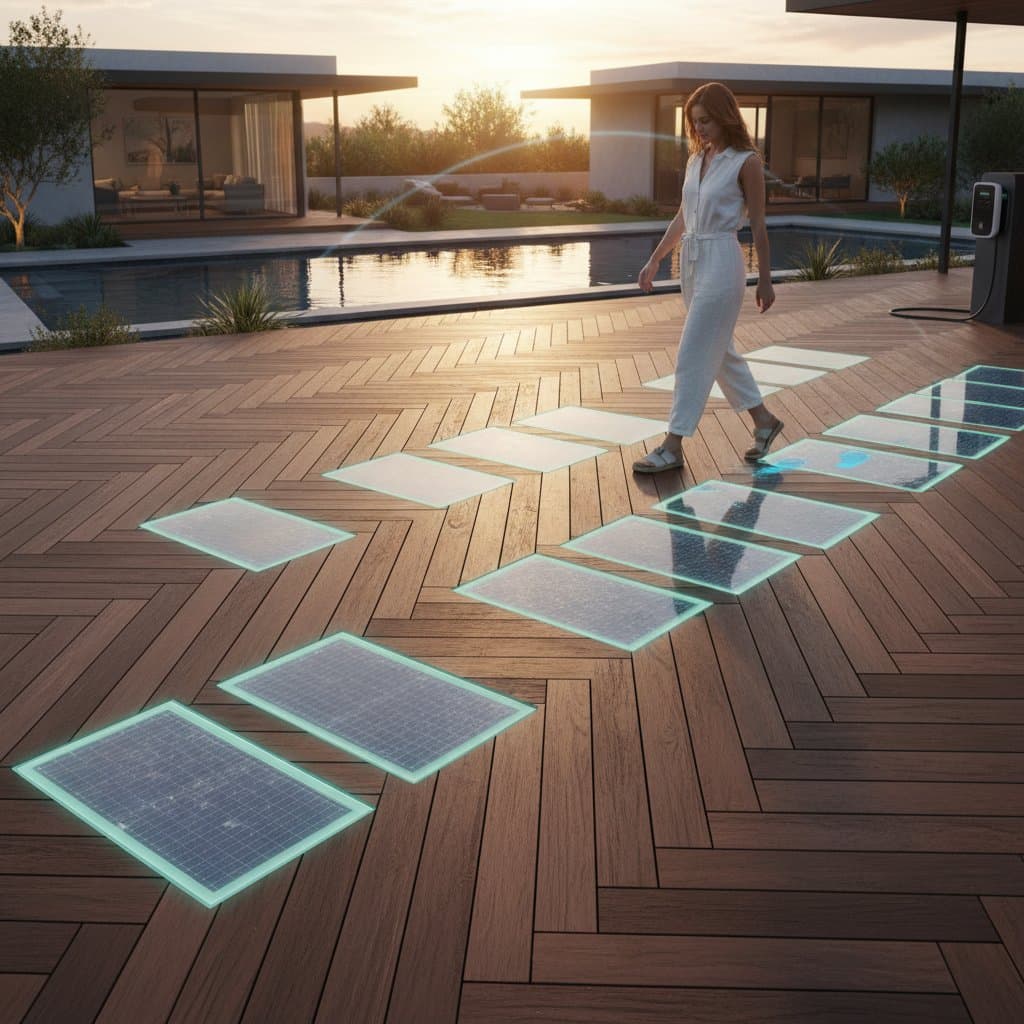
Solar Pavers: Transforming Steps into Sustainable Energy
Solar pavers represent an innovative fusion of architecture and renewable energy. These specialized tiles integrate photovoltaic cells to capture sunlight, while also generating electricity from the pressure of footsteps. In urban environments like New York City, where space constraints demand multifunctional solutions, solar pavers offer a practical way to enhance outdoor areas with clean power generation.
Homeowners and designers increasingly adopt this technology to power lighting, charging stations, or even contribute to home energy needs. The result combines aesthetic appeal with environmental benefits, turning walkways and decks into productive assets. This approach aligns with broader sustainability goals, reducing reliance on traditional grids.
Understanding Solar Pavers
Solar pavers function as durable flooring that embeds solar panels beneath a protective surface. Unlike conventional solar panels mounted on roofs, these tiles withstand foot traffic and weather exposure. Manufacturers design them in various sizes, typically 12 by 12 inches, to fit standard paving patterns.
The core technology involves thin-film solar cells that convert sunlight into direct current electricity. Some advanced models incorporate piezoelectric elements, which produce additional power from mechanical stress during steps. This dual mechanism maximizes energy output in high-traffic areas such as patios or public pathways.
Materials like tempered glass or composite polymers ensure longevity, often warrantied for 20 years or more. Integration with microinverters allows seamless connection to home electrical systems, converting power for immediate use or storage in batteries.
How Solar Pavers Generate Power
Energy production begins with sunlight absorption through the tile's translucent top layer. Photovoltaic cells beneath capture photons, exciting electrons to create an electric flow. On average, a single paver generates 10 to 50 watts per hour under optimal conditions, depending on sunlight intensity and model efficiency.
Footstep contribution varies by design. Piezoelectric layers compress under weight, generating small voltage spikes. While not the primary source, this feature adds up in busy spaces, potentially increasing output by 5 to 10 percent.
System efficiency reaches 15 to 20 percent for leading products, comparable to rooftop panels but optimized for horizontal surfaces. Placement in full sun exposure yields the best results, with south-facing orientations ideal in the Northern Hemisphere.
Planning Your Solar Paver Installation
Assess your outdoor space to determine suitability. Measure the area for paver coverage and evaluate sunlight hours, using tools like solar path finders. Consider load-bearing capacity; most decks support the added weight of 10 to 15 pounds per square foot.
Select pavers based on aesthetic and functional needs. Options range from sleek gray concrete looks to colorful porcelain finishes. Ensure compatibility with existing drainage systems to prevent water pooling.
Consult local regulations in New York City, where permits may apply for electrical integrations. Partner with certified installers experienced in solar technologies to ensure code compliance.
Step-by-Step Installation Guide
-
Prepare the site by clearing debris and leveling the base. Excavate 4 to 6 inches deep for a stable foundation.
-
Install a gravel or sand sub-base, compacting it evenly to support the pavers.
-
Lay wiring conduits underground, connecting to an inverter and battery system nearby.
-
Place pavers in the desired pattern, using spacers for uniform joints. Secure with mortar or adhesive as recommended.
-
Test the electrical output and seal joints to protect against moisture.
Professional installation typically takes 1 to 3 days for a 200-square-foot deck, minimizing disruption.
Costs and Return on Investment
Initial expenses for solar pavers range from $50 to $150 per square foot, including materials and labor. A 100-square-foot deck might cost $5,000 to $15,000, factoring in inverters and wiring. Incentives like federal tax credits can offset 26 percent of costs, while New York State rebates further reduce outlays.
Energy savings accrue over time. Generating 500 to 1,000 kilowatt-hours annually per 100 square feet translates to $50 to $100 in yearly bill reductions at average rates. Payback periods span 7 to 12 years, after which the system provides free power.
Long-term value includes increased property appeal. Sustainable features attract eco-conscious buyers, potentially boosting resale prices by 3 to 5 percent in urban markets.
Maintenance for Long-Term Performance
Solar pavers require minimal upkeep compared to traditional solar setups. Sweep surfaces regularly to remove dirt that could block sunlight. Inspect seals annually for cracks, applying sealant as needed to maintain waterproofing.
Clean photovoltaic surfaces with mild soap and water, avoiding abrasives that might scratch the finish. Monitor electrical connections for corrosion, especially in humid climates.
Winter preparation involves clearing snow promptly to restore output. Most models perform adequately in partial shade or low light, ensuring year-round reliability.
Benefits Beyond Energy Savings
Adopting solar pavers enhances environmental impact by offsetting carbon emissions equivalent to planting 10 trees per installation. They promote energy independence, buffering against rising utility costs.
Aesthetically, these tiles blend seamlessly with modern designs, creating illuminated pathways at night powered by daytime collection. Safety features like slip-resistant surfaces add practical value.
In community settings, solar pavers foster shared sustainability, powering public amenities without extensive infrastructure.
Integrating Solar Pavers into Urban Living
Start by envisioning your ideal outdoor space. Calculate potential energy yield using online simulators tailored to your location. Engage a specialist for a customized quote, ensuring alignment with your budget and goals.
This technology empowers individuals to contribute to cleaner cities one step at a time. Embrace solar pavers to modernize decks, reduce costs, and sustain the environment effectively.