
Loading...

Generate Power for Your Deck Using Solar Pavers | urbanoutdoorsnyc.com | Urban Outdoors - Small-Space Gardens, Rooftop Decks, Balconies, Decks, Backyard Design
Skip to main content
Urban Outdoors
Search
Home
  1. Home
  2. /
  3. Deck Construction & Remodeling
  4. /
  5. Solar Pavers Turn Your Deck Into a Power Source
Deck Construction & Remodeling

Solar Pavers Turn Your Deck Into a Power Source

bySheila Spaulding
2026-03-03 04:52:57March 3, 2026
7 min read
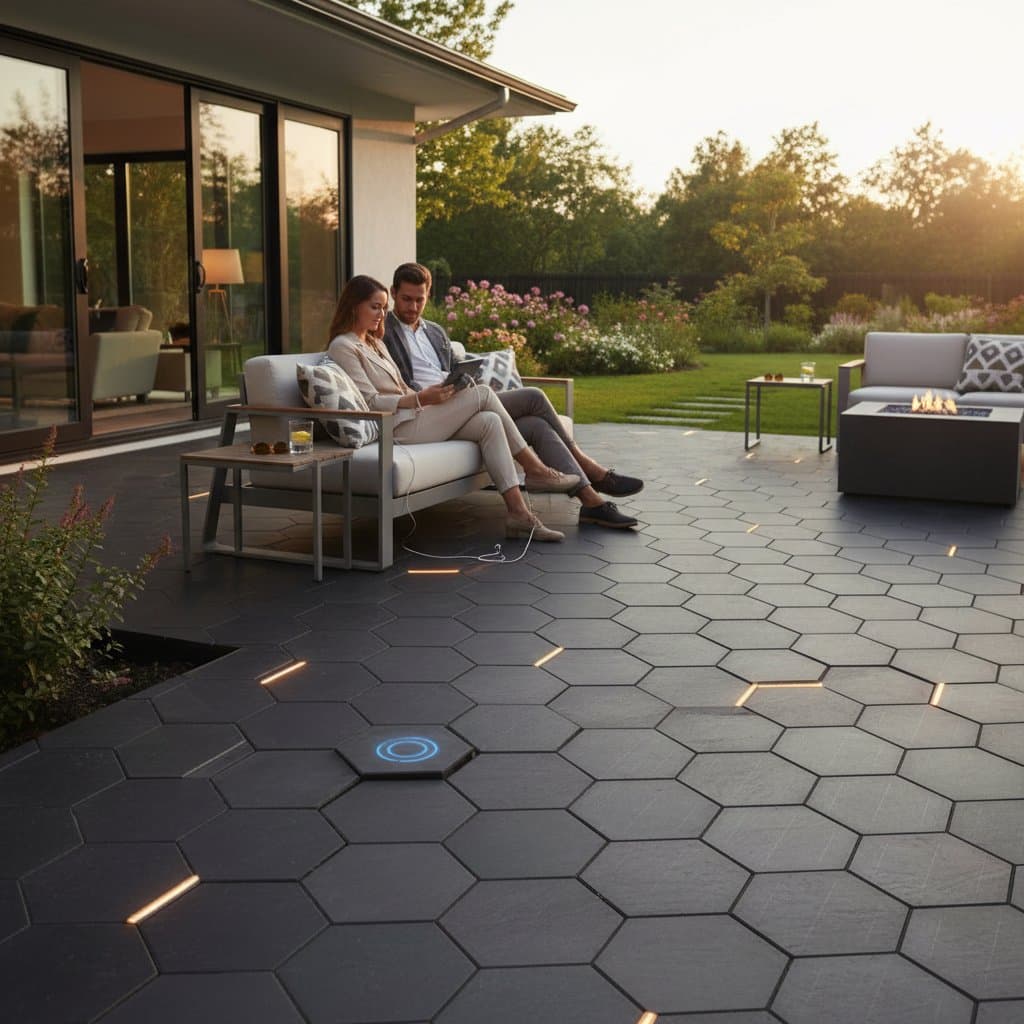
Featured image for Solar Pavers Turn Your Deck Into a Power Source

Categories

Navigation

  • Home
  • All Articles
  • About Us
  • Privacy Policy
  • Terms of Service

© 2026 Urban Outdoors. Crafted for bold city dwellers.

2026-03-03 04:52:57
Urban Outdoors - Small-Space Gardens, Rooftop Decks, Balconies, Decks, Backyard Design

Why Choose Solar Pavers for Your Deck

Solar pavers integrate photovoltaic technology into durable outdoor tiles, enabling decks to generate electricity without visible panels or complex setups. These units capture sunlight to power low-voltage lights, charge portable devices, or support small appliances, reducing reliance on grid energy. Homeowners appreciate their seamless blend with deck aesthetics, offering both functionality and visual appeal.

Installation requires basic tools and attention to detail, while long-term benefits include energy savings and environmental contributions. Systems typically yield 5 to 20 watts per paver, depending on size and sunlight exposure. Proper setup ensures reliable performance across seasons.

Installation Guide

Follow these steps to install solar pavers on your deck. Begin with site assessment to maximize energy output.

1. Plan the Layout

Evaluate your deck's dimensions and sunlight patterns throughout the day. Use a sun calculator app or observe shadows over several hours to identify optimal placement. Sketch a grid layout, spacing pavers 1/8 inch apart for expansion and ensuring at least 80 percent exposure to direct sun.

Calculate energy needs based on intended uses, such as pathway lighting or device charging. Select pavers rated for your deck's load capacity, typically 500 pounds per square foot. Order 10 percent extra units to account for cuts or errors.

2. Prepare the Surface

Clear the deck of furniture, debris, and loose boards. Inspect for levelness using a 4-foot level; shim uneven areas with thin wood strips secured by screws. Sand or grind high spots to create a flat plane.

Apply a weather-resistant primer if adhering to wood surfaces. Allow drying time per product instructions, usually 24 hours. This step prevents moisture damage and ensures strong bonding.

3. Lay the Base

Spread a 1/2-inch layer of polymeric sand or mortar bed across the prepared area. Use a trowel for even distribution, avoiding clumps that could cause instability. Dampen the base lightly to improve adhesion without creating mud.

For floating installations, apply construction adhesive in dots every 6 inches. Position spacers to maintain uniform gaps. This foundation supports the pavers while allowing minor adjustments.

4. Set the Pavers

Position each solar paver precisely, pressing it firmly into the base or securing it to the deck with adhesive. Tap edges gently with a rubber mallet to achieve level alignment, taking care not to impact the protective glass surface. Verify straight lines by checking every 3 feet with a string line or laser level.

Adjust as needed during placement to avoid gaps larger than 1/8 inch. Work in sections to prevent the base from drying prematurely. This methodical approach ensures a stable and uniform installation.

5. Connect the Pavers

Join the integrated cables to create a unified electrical circuit, adhering to the manufacturer's polarity indicators for positive and negative terminals. Employ waterproof connectors rated for outdoor use and seal all connections with silicone-based weatherproof tape. Organize pavers into circuits limited to 12 units each to promote balanced current distribution and prevent overloads.

Test continuity with a multimeter before finalizing. Route excess cable neatly to minimize exposure. Proper connections safeguard against short circuits and enhance system longevity.

6. Attach to the Power Unit

Direct the main cable from the circuit to the inverter or battery storage unit. Secure the unit in a shaded, well-ventilated location beneath the deck or adjacent to a protected wall. Connect the solar leads securely and monitor the display for initial charge activity.

If readings indicate power generation, proceed to the next step. Choose components compatible with your system's voltage, often 12 or 24 volts. This integration converts sunlight into usable electricity efficiently.

7. Test and Secure

Activate low-wattage devices, such as LED lights or a fan under 100 watts, to assess power delivery. Observe for consistent output without fluctuations. Upon confirmation, fill joints with polymeric sand, sweeping excess away and misting lightly to set.

Wipe paver surfaces clean using mild soap and water to eliminate residue from installation. Allow 48 hours for full curing before heavy use. This final check verifies operational integrity.

Troubleshooting Common Issues

Systems may encounter performance dips despite careful installation. Identify problems early to restore efficiency.

Low or No Power Output:

Shading from nearby objects reduces yield significantly; even brief coverage from leaves or furniture can cut production by 30 percent. Remove obstructions and clean solar surfaces thoroughly. Examine cables for disconnected or corroded fittings, tightening as necessary.

Flickering Lights or Unstable Power:

Loose joints often cause interruptions. Inspect and reinforce waterproof couplings, ensuring firm seating. Reconnect the inverter if voltage drops below expected levels.

Condensation Beneath Glass:

Apply clear silicone sealant to any fissures immediately. Persistent moisture may require paver replacement to protect internal solar cells from corrosion.

Instability or Shifting Pavers:

Uneven bases lead to movement that strains wiring. Raise affected units, redistribute the base material for levelness, and reposition securely.

Maintain a digital multimeter for quick diagnostics, measuring output voltage per paver to pinpoint faults.

Ongoing Maintenance

Routine care preserves solar paver performance with minimal effort. Schedule inspections every two months.

Gently scrub surfaces using a soft-bristle brush and diluted mild detergent to dislodge dirt, pollen, or bird droppings. Rinse with low-pressure water to avoid displacing joints. Steer clear of abrasive tools or strong chemicals that might etch the glass.

Annually, disassemble connectors to check for oxidation; coat contacts with dielectric grease for protection against humidity. For battery-integrated systems, monitor charge monthly and replace units when efficiency falls below 80 percent capacity.

Trim surrounding vegetation to eliminate shade, as partial blockage halves energy capture. In snowy regions, remove accumulations with a soft plastic scraper to prevent surface damage.

Seasonal Care Guidelines

Adapt maintenance to weather changes for year-round reliability.

Spring

Hose down pavers to wash away accumulated grime from winter. Examine cables for chew marks from rodents or insects. Restore joint sand eroded by freeze-thaw cycles.

Summer

High ambient heat diminishes output by up to 10 percent; ensure adequate ventilation around components. Install temporary covers over inverters during extreme temperatures. Evaluate generation during midday sun to benchmark efficiency.

Fall

Remove leaf buildup weekly to maintain full sunlight access. Clear debris from drainage channels to direct water away from electrical points. Top off battery charges ahead of reduced daylight.

Winter

Clear snow layers carefully with non-abrasive tools, avoiding salts that corrode surfaces. Confirm traction features remain effective after exposure. Ensure inverter enclosures allow proper air circulation.

Consistent seasonal attention sustains output without expert intervention.

Expert Recommendations

Enhance your solar paver setup with these strategies.

  • Integrate solar units with complementary materials like natural stone or composite decking to optimize budget and style.
  • Surround with reflective surfaces in pale tones to boost incidental light capture and slight efficiency gains.
  • Tag wiring segments clearly for straightforward access during inspections.
  • Incorporate spare conduit pathways to facilitate future additions without disruption.
  • Employ a digital monitoring device to log daily energy production and spot trends.

These practices streamline upkeep and safeguard long-term value.

Steps to Get Started

Solar pavers elevate ordinary decks into productive energy hubs, supplying discreet power to patios and pathways free of obtrusive equipment. Thoughtful design, secure wiring, and periodic upkeep transform outdoor areas into reliable generators.

Take these immediate actions:

  1. Measure deck square footage and map sun paths to inform paver placement.
  2. Research products aligned with your power requirements, emphasizing watts per unit area.
  3. Dedicate a weekend to setting up a trial array of four to six pavers, recording results over time.

Incremental progress reveals site-specific sunlight dynamics and potential yields, guiding expansion toward a resilient, self-powered outdoor retreat equipped for all conditions.

You Might Also Like

Solar Pergolas Turn Rooftops Into Power Sources

Solar Drip Systems Cut Deck Garden Water Waste 80%

Solar Railings Cut Deck Lighting Costs to Zero

Solar Pergolas Turn Rooftops Into Shade and Power

Walkable Solar Pavers Turn Patios Into Power Plants

Tagged:

technology,solar,paver

Recent by Sheila Spaulding

Image for Plants That Absorb City Noise on Small Balconies

Plants That Absorb City Noise on Small Balconies

Mar 3, 2026
Image for Shade Sails Drop Deck Temps 20 Degrees Fast

Shade Sails Drop Deck Temps 20 Degrees Fast

Mar 2, 2026
Image for Shade Sails Block 95% of UV While Cooling Your Deck

Shade Sails Block 95% of UV While Cooling Your Deck

Feb 28, 2026
Image for Turn 100 Square Feet Into a Thriving Urban Meadow

Turn 100 Square Feet Into a Thriving Urban Meadow

Feb 27, 2026
Image for Night Flowers That Transform City Balconies After Dark

Night Flowers That Transform City Balconies After Dark

Feb 27, 2026

technology

Image for AI Cameras That End Deck Garden Guesswork

AI Cameras That End Deck Garden Guesswork

Feb 16, 2026
Image for Misting Systems Drop Deck Temperature by 20°F

Misting Systems Drop Deck Temperature by 20°F

Feb 8, 2026
Image for Watering 50+ Pots From a Single Faucet

Deck Construction & Remodeling

Solar Pavers Turn Your Deck Into a Power Source

Convert your deck into an energy-generating feature using solar pavers. These robust, non-slip tiles produce clean power to illuminate pathways, recharge devices, and lower utility expenses. Review installation procedures, care guidelines, and professional recommendations to maintain an attractive, effective, and independent outdoor environment.

Mar 3, 2026

Shade Sails Drop Deck Temps 20 Degrees Fast

Shade sails emerge as the premier 2026 option for cooler decks, leveraging tensioned fabrics that slash surface heat by 20 degrees while promoting airflow and elegance. This guide covers material selection, secure anchoring, and upkeep strategies to deliver enduring outdoor enjoyment.

Mar 2, 2026

Hidden Compost Bins That Keep City Decks Clean

Elevate your urban deck with concealed micro compost bins integrated into railings. This comprehensive guide details planning, construction, installation, and upkeep to maintain a tidy, eco-conscious patio without compromising aesthetics or convenience.

Categories

Deck Construction & Remodeling(198)
Balcony Design(174)
Small-Space Gardens(75)
Rooftop Decks(69)
Backyard Design(21)

Watering 50+ Pots From a Single Faucet

Feb 2, 2026
Image for Solar Pavers Turn Sunlight Into Outdoor Power

Solar Pavers Turn Sunlight Into Outdoor Power

Jan 28, 2026
Image for Micro-Drip Fog Systems Drop Balcony Temps 15 Degrees

Micro-Drip Fog Systems Drop Balcony Temps 15 Degrees

Jan 28, 2026
Mar 1, 2026

Shade Sails Block 95% of UV While Cooling Your Deck

Elevate your deck with shade sails that deflect up to 95% of harmful UV rays while providing refreshing shade. This comprehensive guide details fabric selection, anchor installation, tension techniques, and ongoing care, all achievable on a modest weekend investment. Achieve greater comfort, safeguard your outdoor area, and embrace seamless al fresco experiences year-round.

Feb 28, 2026

Solar Drip Systems Cut Deck Garden Water Waste 80%

Elevate your deck garden with a solar-powered drip system that uses sunlight for targeted watering, slashes water waste by 80%, and requires minimal upkeep. This guide covers assembly, installation, and tips to maintain thriving plants sustainably.

Feb 28, 2026

Solar Railings Cut Deck Lighting Costs to Zero

Elevate your deck with solar railings that harness sunlight to power lights without utility bills. These systems feature clear solar panels, integrated batteries, and efficient LEDs for a seamless blend of functionality and aesthetics, delivering energy autonomy, minimal upkeep, and eco-friendly illumination.

Feb 27, 2026

The Deck Trick: Growing Gourmet Mushrooms at Home

Convert your deck into a productive mushroom cultivation area with essential tools, effective moisture strategies, and adaptations for changing seasons. This guide details growing premium oyster, lion’s mane, or shiitake mushrooms in buckets or bags, delivering fresh, flavorful results year-round. Inexpensive, easy to maintain, and highly satisfying, these methods prove that compact areas produce substantial culinary rewards.

Feb 26, 2026

Walkable Solar Pavers Turn Patios Into Power Plants

Walkable solar pavers integrate photovoltaic technology into patios, decks, and pathways, generating clean electricity while preserving design integrity. These tiles harness sunlight to energize outdoor features or home networks. Discover their mechanics, pricing, setup process, upkeep advice, and role in advancing sustainable landscapes.

Feb 26, 2026

Why Cork Decks Are the Soft Eco-Choice for 2026

Cork decking rises as a leading sustainable and comfortable material for outdoor spaces in 2026. Derived from renewable cork oak bark, it provides cushioning underfoot, thermal insulation, and resistance to environmental stresses. Suitable for urban balconies and rooftops, cork decks offer a warm, quiet, and eco-conscious alternative with straightforward installation and upkeep.

Feb 26, 2026

Acoustic Screens Cut Neighbor Noise by 40%

Convert a noisy urban patio into a tranquil retreat with acoustic screens that lessen neighbor and traffic sounds by up to 40 percent. Delve into how these panels function, choose suitable materials, and execute detailed installation for effective, elegant noise reduction that fosters privacy, comfort, and calm city living.

Feb 25, 2026

Solar Railings Turn Your Deck Into a Power Source

Elevate your deck or balcony by integrating solar railings, which combine safety features with photovoltaic technology to produce renewable energy. These elegant glass panels enable you to charge electronics, illuminate spaces, and embrace sustainability without compromising design. Discover essential planning, installation, and care strategies to maximize their potential.

Feb 24, 2026

Misting Solar Shade Sails Drop Deck Temps 20 Degrees

Convert your deck into a shaded oasis using misting solar shade sails. These versatile structures provide cooling mist, UV protection, and potential energy savings. Follow this guide for installation, upkeep, and optimization to enjoy pleasant outdoor conditions on the warmest days.

Feb 23, 2026

Acoustic Panels Turn Noisy Decks Into Quiet Retreats

Convert a noisy urban deck into a serene retreat using outdoor acoustic panels. This comprehensive guide details selection criteria, installation methods, and upkeep for weather-resistant panels that minimize echoes, enhance privacy, and elevate aesthetics. Discover actionable advice, essential materials, and strategies to foster a calm, inviting outdoor environment.

Feb 23, 2026

Solar Pergolas Cut Cooling Costs and Shade Your Deck

Elevate your deck with a solar pergola that offers shade and renewable energy. This versatile addition cools your space naturally, powers home features, and cuts cooling expenses. Discover planning essentials, material choices, installation guidance, cost breakdowns, and seasonal upkeep for optimal performance and durability.

Feb 21, 2026

Cork Decking Stays Cool and Soft in Summer Heat

Elevate your outdoor area with cork decking, a renewable and water-resistant material that remains cool, quiet, and comfortable underfoot. Discover planning, installation, and maintenance strategies using essential tools and straightforward care routines to achieve enduring slip resistance, sustainability, and aesthetic appeal on decks, balconies, or terraces.

Feb 20, 2026

Moss Decks Replace Grass in Tight Urban Yards

Moss decks offer a transformative solution for compact outdoor areas, delivering year-round greenery without the need for mowing. This shade-loving surface demands little upkeep, absorbs sound, cools the air, and supports environmental health. Follow these guidelines to install, maintain, and appreciate a resilient, living landscape that simplifies urban living.

Feb 19, 2026

Solar Railings Turn Your Deck Into a Power Source

Elevate your deck's functionality by integrating solar railings that produce clean electricity without compromising aesthetics or safety. This guide covers essential planning, installation strategies, ongoing maintenance, and troubleshooting to achieve optimal performance, reduced energy costs, and a contemporary outdoor environment.

Feb 19, 2026

Solar Pavers Turn Your Deck Into a Power Source

Solar pavers integrate photovoltaic technology into durable deck tiles, allowing you to generate clean electricity with every footstep and sunbeam. This comprehensive guide explains their mechanics, step-by-step installation, required tools, safety protocols, and ongoing maintenance. Design an eco-friendly deck that not only enhances your outdoor area but also contributes to powering your home efficiently.

Feb 18, 2026

Retractable Pergolas Turn Decks Into Year-Round Rooms

Convert your deck into a durable, all-season outdoor haven resilient to rain, wind, and sun. Delve into the benefits of retractable pergolas, living pods, and complete enclosures, along with guidance on planning, installation, upkeep, and safety to craft an ideal protected outdoor environment.

Feb 18, 2026

Acoustic Panels Drop Deck Noise by Half

Turn your urban deck from a noisy spot into a serene escape using outdoor acoustic panels. This guide covers planning, installation, and upkeep for sound-absorbing solutions that cut echoes, boost privacy, and endure weather while staying stylish and budget-friendly.

Feb 17, 2026