
Understanding Solar Pavers
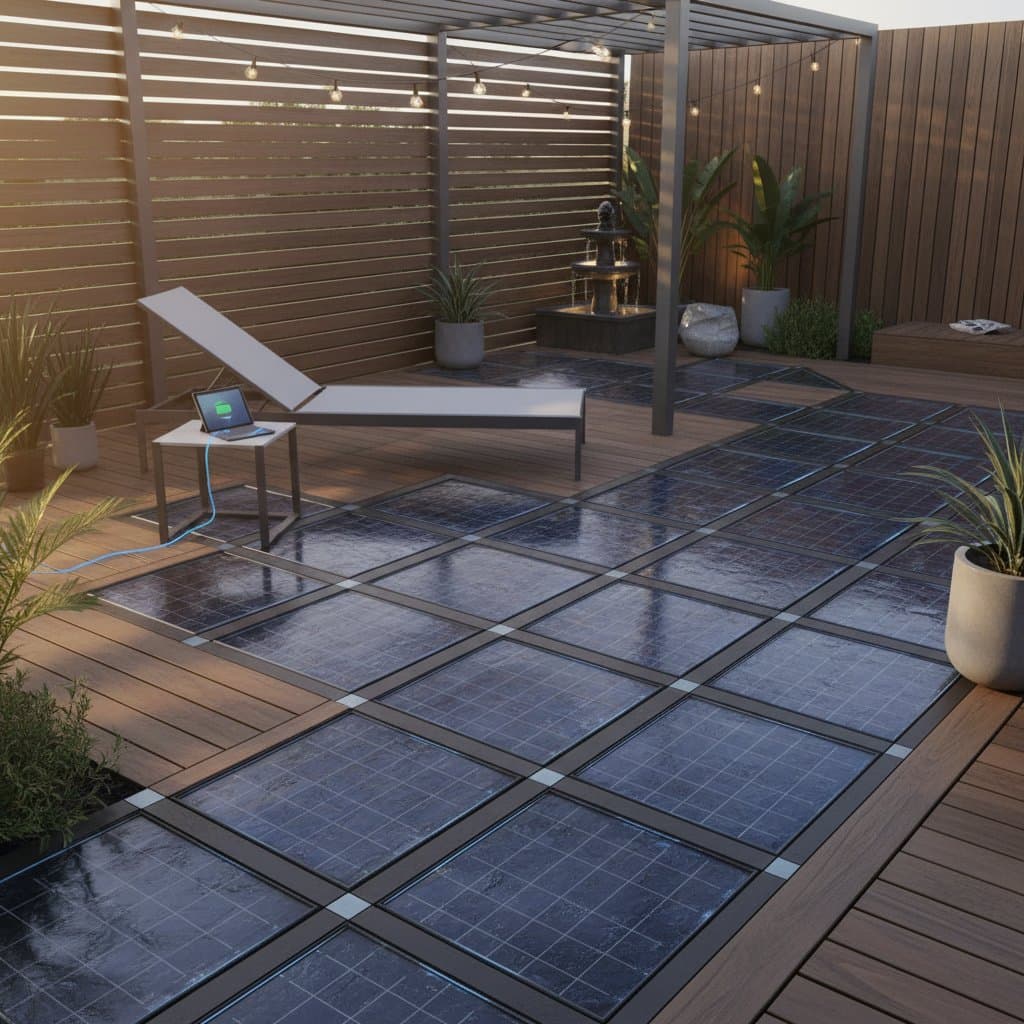
Solar pavers represent an innovative integration of renewable energy and landscaping. These are specialized paving stones embedded with photovoltaic cells that capture sunlight and convert it into usable electricity. Unlike traditional solar panels, they blend seamlessly into driveways, patios, and walkways, providing both functional surfacing and power generation.
The technology draws from standard solar principles but adapts them for ground-level applications. Each paver functions as a miniature solar module, often encased in durable materials like concrete or porcelain to withstand foot traffic and weather exposure. This design allows homeowners to expand their solar footprint without altering the visual harmony of their landscapes.
How Solar Pavers Generate Power
At the core of solar pavers lies the photovoltaic effect, where sunlight excites electrons in silicon cells to produce direct current. This electricity then passes through an inverter to become alternating current suitable for household devices. Output varies by model, typically ranging from 1 to 10 watts per paver, depending on size and sunlight exposure.
Installation connects multiple pavers in series or parallel configurations to form a network that feeds into a central battery storage system or directly to low-voltage appliances. Efficiency reaches about 15 to 20 percent, comparable to rooftop panels, but their dispersed layout maximizes surface area utilization. Factors such as orientation, shading, and cleaning influence overall performance.
Key Benefits for Outdoor Living
Solar pavers reduce reliance on grid electricity by powering features like pathway lights, fountains, and outdoor speakers. This setup lowers utility bills and minimizes carbon emissions, supporting environmental goals. Durability ensures longevity, with many models rated for 25 years or more under normal conditions.
Aesthetically, they maintain the look of conventional pavers while adding smart functionality. Integration with home automation systems allows remote control of connected devices, enhancing convenience. For urban dwellers, they offer a subtle way to adopt green technology without large-scale renovations.
Essential Materials for Installation
To begin, select pavers suited to your climate and traffic needs. Opt for slip-resistant surfaces in high-use areas and UV-protected models for prolonged sun exposure. A typical kit includes 10 to 20 pavers, wiring harnesses, and mounting clips.
Gather additional supplies: gravel or sand base for stability, a string line for alignment, a rubber mallet for setting stones, and a multimeter for testing connections. Low-voltage cables and junction boxes ensure safe wiring. Consult local codes to verify compatibility with existing electrical setups.
Step-by-Step Installation Guide
-
Plan the layout by marking the area with stakes and string to outline pathways or patios. Calculate the number of pavers needed based on square footage, aiming for full sun exposure where possible.
-
Prepare the base by excavating 4 to 6 inches deep and filling with compacted gravel. Level the surface to prevent uneven settling, which could damage the solar components.
-
Place the pavers starting from one corner, tapping them into the base with a mallet. Maintain consistent 1/8-inch gaps for expansion and grout if desired.
-
Connect the electrical components by linking positive and negative terminals between pavers using provided cables. Route wires underground in conduit to a central inverter or battery unit, buried at least 12 inches deep.
-
Test the system with a multimeter to confirm voltage output under sunlight. Secure all connections with waterproof seals and cover exposed wires.
-
Finish by filling joints with polymeric sand and sealing the surface for added protection against weeds and erosion.
Professional assistance may benefit complex projects, ensuring compliance and optimal wiring.
Maintenance and Longevity Tips
Routine care involves sweeping debris to keep solar surfaces clean, maximizing energy capture. Inspect connections annually for corrosion, especially in wet climates. Avoid heavy vehicles on installed areas to prevent cracking.
In winter, clear snow gently to avoid scratching photovoltaic layers. Most manufacturers offer warranties covering defects, with replacement parts available for individual pavers. This low-maintenance approach sustains performance over decades.
Enhancing Your Space with Sustainable Power
Adopting solar pavers transforms ordinary outdoor areas into efficient, self-sustaining zones. They deliver practical energy solutions that align with modern lifestyles, fostering independence from traditional power sources. Consider starting small with a pathway to experience the benefits before expanding to larger installations.