
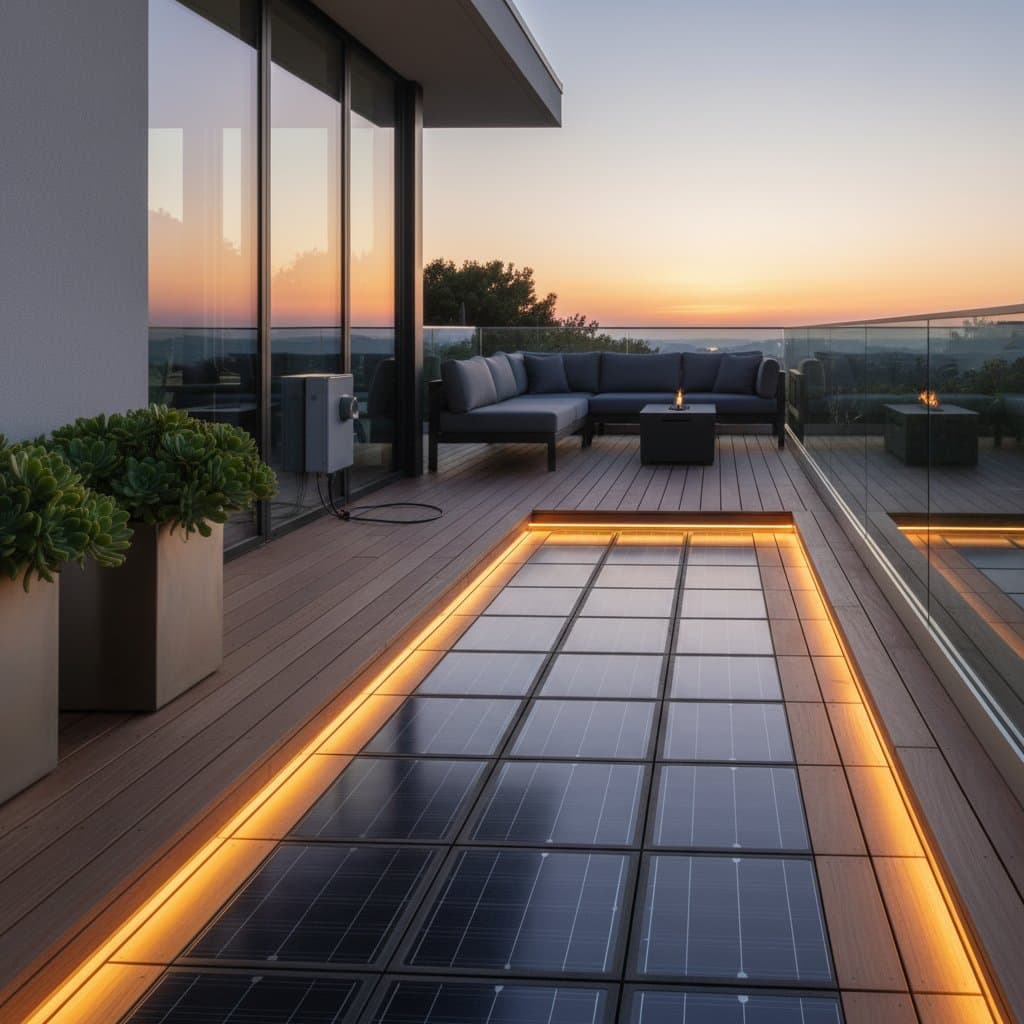
Introduction to Solar Deck Pavers
Solar deck pavers represent an innovative fusion of outdoor design and renewable energy technology. These specialized tiles integrate photovoltaic cells into durable, foot-friendly surfaces that capture sunlight and convert it into usable electricity. Homeowners in urban areas like New York City can now transform patios, decks, and walkways into subtle power sources that blend seamlessly with modern landscapes.
Unlike traditional solar panels mounted on roofs, solar pavers operate at ground level, harnessing energy from spaces often overlooked for power generation. They power low-voltage applications such as pathway lighting, outdoor speakers, or even contribute to home battery systems. This approach not only reduces reliance on grid electricity but also enhances the aesthetic appeal of outdoor environments.
As sustainable living gains momentum, solar pavers offer a practical solution for those seeking to lower energy costs without sacrificing style. Their modular design allows for easy integration into existing setups, making them ideal for renovations or new constructions.
How Solar Deck Pavers Function
At the core of each solar paver lies a thin-film photovoltaic layer embedded beneath a protective, textured surface. This layer absorbs sunlight throughout the day, converting photons into direct current electricity through the photovoltaic effect. The generated power then flows through integrated wiring to a central controller or inverter, which regulates and directs it to connected devices.
Most models produce between 10 and 50 watts per square foot, depending on sunlight exposure and panel efficiency. In optimal conditions, a 100-square-foot installation might generate enough energy to illuminate an entire deck for several hours each evening. Advanced versions include built-in storage capacitors for short-term energy retention, ensuring consistent performance even during cloudy periods.
Installation involves laying the pavers much like standard decking tiles, with electrical connections hidden beneath the surface. Professional electricians ensure compliance with local codes, particularly in areas with strict building regulations. This ground-level setup minimizes shading issues common with rooftop arrays and allows for scalable expansion as needs evolve.
Key Benefits of Integrating Solar Pavers
One primary advantage of solar pavers is their contribution to energy independence. By generating clean power on-site, they offset electricity bills and reduce carbon footprints. For urban dwellers, this means powering evening gatherings or security features without drawing from municipal supplies, potentially saving hundreds of dollars annually.
Durability stands out as another strength. Constructed from high-impact polymers or recycled composites, these pavers withstand heavy foot traffic, weather extremes, and UV exposure. Many carry warranties of 10 to 25 years, outlasting conventional deck materials while maintaining their energy-producing capabilities.
Aesthetically, solar pavers elevate outdoor spaces. Available in various colors, patterns, and textures, they mimic natural stone or wood without the maintenance demands. This versatility suits diverse designs, from sleek modern terraces to rustic garden paths, adding value to properties in competitive real estate markets.
Environmentally, they promote biodiversity by reducing the need for extensive wiring or large panel installations. Their low-profile design preserves views and integrates with green initiatives, appealing to eco-conscious consumers. Over time, the return on investment materializes through energy credits, tax incentives, and increased home resale appeal.
Installation Considerations
Before embarking on an installation, assess your outdoor area's sunlight exposure. South-facing locations receive the most direct rays, maximizing output, while partial shade from trees or buildings may require supplemental panels. Tools needed include a level, rubber mallet, and adhesive or sand base for stability.
For DIY enthusiasts, begin with a small test area to evaluate performance. Lay pavers on a prepared sub-base of compacted gravel to ensure even drainage and prevent shifting. Connect each tile's output wires in series or parallel configurations, routing them to a junction box for safety.
Hire certified professionals for larger projects or electrical integrations. They handle permitting, grounding, and synchronization with home systems. In regions like New York City, adherence to fire codes and zoning laws proves essential to avoid delays.
Post-installation, monitor initial output using built-in indicators or apps from compatible systems. Adjustments, such as repositioning for better alignment, can optimize efficiency from the start.
Maintenance and Care
Solar pavers require minimal ongoing attention to sustain peak performance. Regularly sweep away dirt, leaves, and debris to ensure unobstructed sunlight access to the photovoltaic cells. A gentle rinse with mild soap and water every few weeks suffices for most cleaning needs, preserving the surface without harsh chemicals.
During winter months, clear snow using a plastic shovel or soft broom to prevent scratches on the protective layer. Avoid metal tools that could damage the finish. If energy output diminishes, inspect for loose connectors, accumulated grime, or shading from overgrown plants.
Address any cracked or chipped tiles immediately to avert moisture infiltration, which might compromise electrical components. Replacement involves simply lifting the affected unit and swapping it with a matching spare. Annual professional inspections benefit complex setups, verifying wiring integrity and overall system health.
With proper care, these pavers maintain efficiency for decades, delivering reliable power year-round.
Budget and Timeline
Costs for solar deck pavers typically range from 18 to 28 dollars per square foot, encompassing materials and basic installation. For a 100-square-foot deck, anticipate total expenses around 2,000 dollars, factoring in labor and ancillary components like wiring kits. Prices vary by model quality, with premium options featuring higher wattage or anti-slip surfaces commanding a slight premium.
DIY projects suit smaller areas and can complete in a single weekend using rented compaction tools and basic electrical supplies. Larger installations may span several days, especially if integrating with existing decks. While initial outlays exceed those of standard pavers, rebates from utility programs or federal incentives often offset 20 to 30 percent of costs.
Energy savings accrue over time, with payback periods of three to seven years depending on usage and local rates. Additional value emerges from enhanced lighting and reduced maintenance, making solar pavers a sound long-term investment for energy-savvy homeowners.
Practical Steps Forward
Initiate your project on a modest scale by incorporating a few solar pavers near high-traffic zones like steps or walkways. Observe their energy generation and lighting effectiveness over the first season to gauge suitability for broader application. This approach minimizes risk while building confidence in the technology.
Prior to purchasing, review manufacturer warranties, which often cover both structural and electrical aspects. Verify compatibility between pavers, inverters, and battery storage to ensure seamless operation. Document all wiring paths and connection points for straightforward future reference.
As you expand, consider consulting local experts for customized advice tailored to your climate and layout. With thoughtful implementation, solar deck pavers deliver a luminous, secure outdoor haven that harnesses the sun's power beneath every step, fostering sustainability and enjoyment for years to come.