
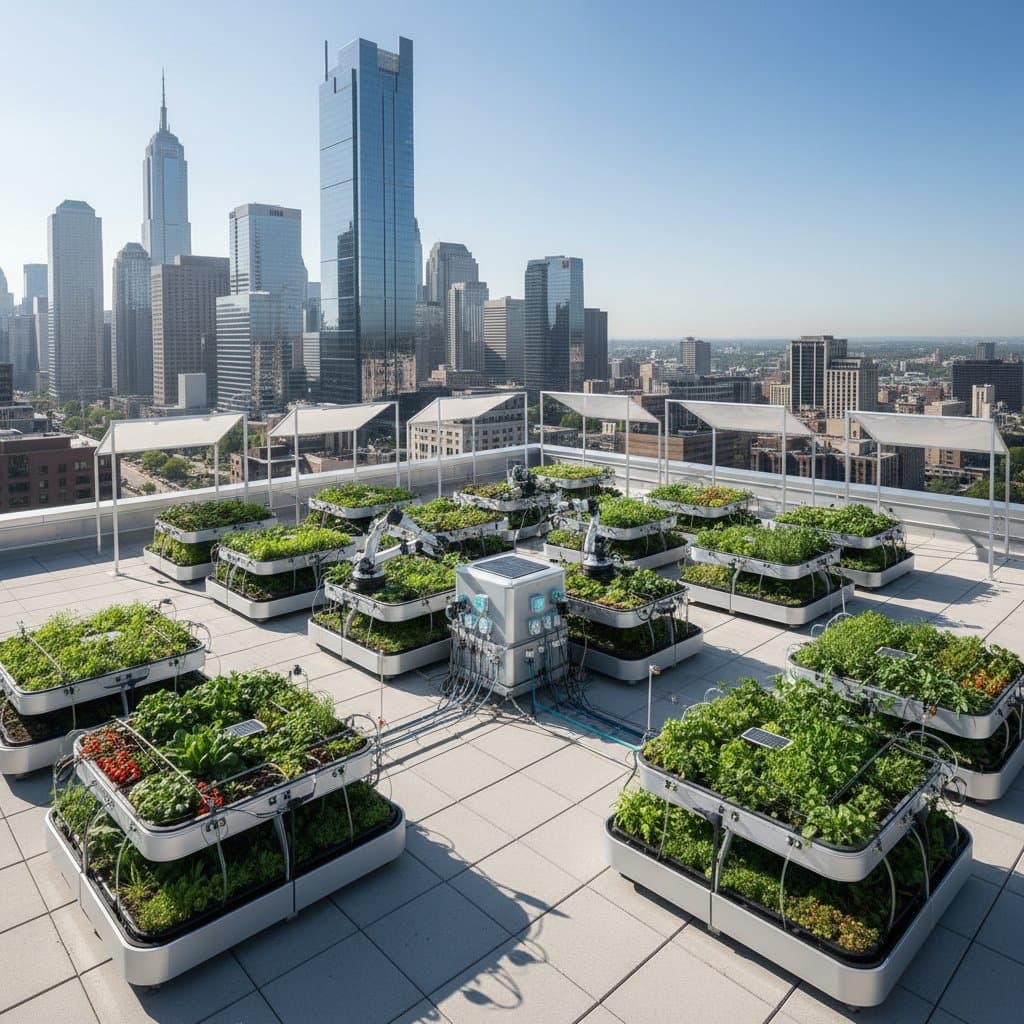
Discover AI Gardens: Transforming Urban Rooftops into Self-Sustaining Oases
City dwellers often lack space for gardening, yet rooftops offer untapped potential for fresh produce. AI garden systems address this by automating the entire process, from planting to harvesting. These smart setups use sensors, algorithms, and connected devices to monitor conditions and adjust care in real time, requiring no daily intervention.
Equipped with soil moisture detectors, weather APIs, and automated irrigation, AI gardens optimize water, nutrients, and light exposure. They reduce waste, boost yields, and integrate seamlessly with urban lifestyles. Homeowners and building managers can now cultivate herbs, vegetables, and flowers atop high-rises without the hassle of traditional farming.
Benefits of AI-Powered Rooftop Gardens
These systems deliver multiple advantages for urban environments. They lower water consumption by up to 60 percent through precise drip irrigation that responds to real-time data. Energy efficiency comes from solar-powered components, minimizing reliance on grid electricity.
Beyond sustainability, AI gardens enhance mental well-being by providing green views and easy access to homegrown food. They increase property values and support biodiversity in concrete jungles. For busy professionals, the zero-effort model means thriving plants without constant oversight.
Preparing Your Rooftop for Installation
Before setup, assess your roof's suitability. Ensure it supports the weight of planters, soil, and water—typically 20 to 50 pounds per square foot. Check local building codes for green roof permissions and select a sunny, wind-sheltered area.
Gather essential tools: drill, measuring tape, level, and cable ties. Choose durable, lightweight planters made from recycled plastic or fabric pots to ease installation. Opt for a soil mix rich in organic matter, designed for container gardening to promote root health.
Step-by-Step Installation Guide
Follow these steps to set up your AI garden system over a single weekend. Begin with planning to avoid common pitfalls.
-
Select and position the location. Measure the available space and mark areas for planters, ensuring at least six hours of sunlight daily. Secure any loose roof elements to withstand wind.
-
Lay a protective barrier under planters to prevent leaks. Use waterproof mats or trays that catch excess water and direct it to drains.
-
Install the planters and fill each with soil mix, leaving two inches (5 centimeters) from the rim for mulch or expansion.
-
Place sensors in the soil halfway down and connect them to the control hub. Position the hub in a shaded, accessible spot near power sources.
-
Run irrigation lines along the planters. Secure them with clips so they do not move in wind, and attach emitters near plant roots for targeted watering.
-
Connect to the app and set plant types. The system will suggest watering schedules based on species, climate, and forecasts.
-
Test the system for a full cycle. Watch for leaks, blocked emitters, or puddles, adjusting connections as needed.
Safety Considerations
Prioritize caution during and after installation to protect yourself and your structure.
-
Keep electrical connections off wet surfaces to prevent shocks.
-
Avoid standing on unsupported roof sections; use harnesses if heights exceed 10 feet.
-
Label each sensor wire so you can find faults quickly during troubleshooting.
-
Use gloves when handling soil with fertilizer additives to avoid skin irritation.
Ongoing Maintenance Practices
AI systems minimize labor, but periodic checks ensure longevity and performance.
-
Rinse emitters if water pressure drops to clear mineral buildup.
-
Brush dust off solar panels on the control unit monthly for optimal energy capture.
-
Update software when prompted to access new features and improvements.
-
Replace soil sensors every two seasons for accurate readings and reliable automation.
Inspect plants seasonally for pests, removing affected leaves promptly. The app often alerts you to issues, allowing quick resolutions without disrupting your routine.
Cost Analysis and Efficiency Gains
Initial investments range from 600 to 1,200 dollars, depending on the number of planters and advanced features like weather integration. Basic kits include hubs, sensors, and irrigation for small setups, while larger systems add expandability.
Most installations complete in one weekend, with setup times under eight hours for beginners. Post-installation, water use drops by up to 60 percent compared with manual methods, leading to savings on utilities. Thriving plants yield fresh produce, offsetting costs through reduced grocery bills and enhanced home value.
Getting Started and Scaling Up
Begin modestly with two planters and one smart irrigation kit to familiarize yourself with the technology. Observe how the system adapts to your rooftop's microclimate, refining schedules over the first weeks.
Once operational, expand by adding more planters in phases. Position a few near seating areas for convenient herb access during meals. Within a month, your rooftop evolves from barren to vibrant, with AI handling the details as you reap the rewards of urban greenery.