
Understanding Solar Railings
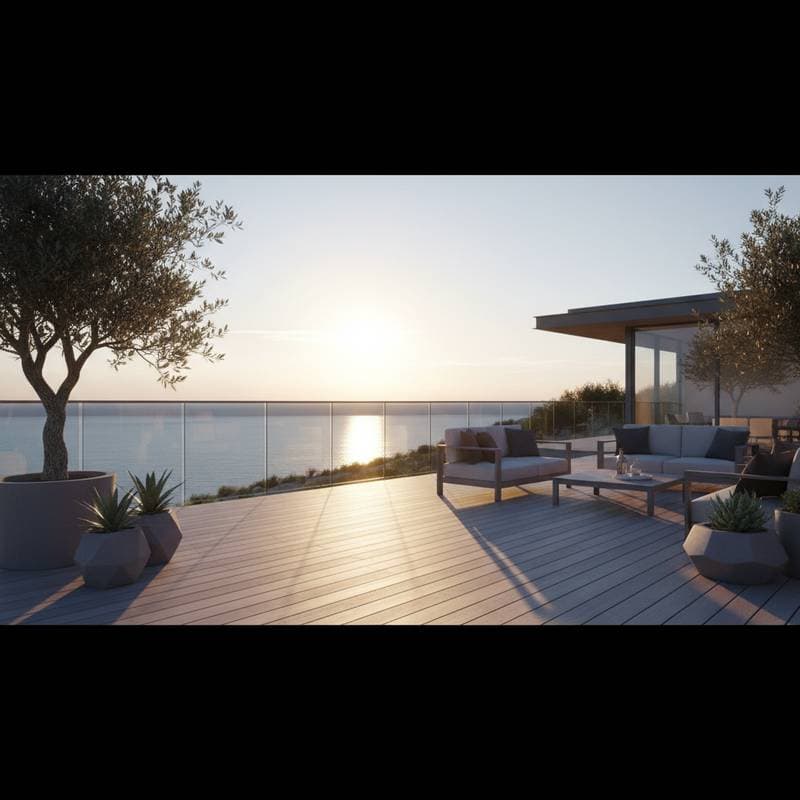
Solar railings represent an innovative fusion of safety features and renewable energy technology. These systems consist of transparent photovoltaic panels mounted within standard deck railings, allowing sunlight to generate electricity while maintaining clear views and structural integrity. Homeowners in urban settings, such as New York City, find them particularly appealing for maximizing limited outdoor spaces.
The panels capture solar energy and convert it into usable power for lighting, appliances, or even feeding back into the home grid. Unlike traditional rooftop solar, railings integrate seamlessly into existing decks, requiring minimal additional footprint. This approach suits properties where roof access proves challenging or where aesthetic harmony matters most.
Key Benefits of Solar Railings
Adopting solar railings yields multiple advantages beyond energy production. First, they contribute to lower utility bills by offsetting power needs for outdoor features like string lights or electric grills. Over time, this translates to substantial savings, especially in regions with high electricity rates.
Safety remains paramount, as these railings meet building codes for height and durability while adding a layer of energy independence. Environmentally, they reduce carbon footprints by harnessing renewable sources, aligning with sustainable living goals. Aesthetically, the sleek, transparent design enhances deck appeal without obstructing scenic views.
Finally, installation often qualifies for local incentives or tax credits, accelerating return on investment. Systems typically recoup costs within 7 to 10 years through energy offsets and potential rebates.
Planning Your Solar Railing Project
Effective planning ensures a smooth integration of solar railings into your deck. Begin by assessing your deck's dimensions and orientation. Measure linear footage exposed to direct sunlight for at least six hours daily, as south-facing sections perform best.
Consult local regulations early, including zoning laws and permit requirements for solar installations. In urban areas, check for any restrictions on visible modifications. Next, evaluate your energy goals: Will the system power small devices, or connect to the home grid for broader use?
Select materials suited to your climate. Opt for tempered glass panels resistant to hail and wind, paired with corrosion-resistant aluminum frames. Budget for additional components like inverters and wiring, which convert and distribute the generated power.
Engage a solar consultant for a site-specific energy yield estimate. Tools such as online solar calculators help project annual output based on your location's irradiance data.
Installation Steps
Professional installation guarantees safety and efficiency, though basic setups suit handy homeowners. Start by preparing the site: Remove old railings if replacing, and ensure the deck frame supports added weight, typically 5 to 10 pounds per linear foot.
Mount the railing posts securely using concrete anchors for ground-level decks or lag bolts for elevated ones. Position panels within the rails, aligning them for maximum sun exposure. Connect wiring from panels to a micro-inverter mounted nearby, which optimizes output from each section.
For grid-tied systems, route conduit through the deck joists to the main panel, adhering to electrical codes. Test connections with a multimeter to verify voltage before finalizing. Seal all joints with weatherproof silicone to prevent moisture entry.
If pursuing DIY, focus on mechanical assembly and seek electrician review for electrical components. Complete projects often span 2 to 4 days, depending on deck size and complexity.
Maintenance
Regular upkeep preserves the longevity and efficiency of solar railings. Debris accumulation, such as dust or leaves, may reduce output by up to 10 percent, so address it promptly.
Follow these routine practices:
- Rinse panels monthly using low-pressure water to remove surface grime.
- Inspect and clean seals annually, applying fresh silicone where needed.
- Tighten hardware seasonally to counteract expansion and contraction.
- Monitor metal frames for early corrosion signs, treating with protective coatings.
- Prune nearby vegetation to avoid shading during peak sun hours.
Incorporate a monitoring device, like a digital meter, to track production trends. This allows adjustments for optimal performance throughout the year.
Troubleshooting Common Issues
Occasional problems arise even in robust installations. Identifying and resolving them early prevents larger disruptions.
Consider these frequent concerns:
- Inconsistent power generation. Inspect for shading, dirt buildup, or loose connections. Clean panels softly with a microfiber cloth and soapy water.
- Signs of water penetration. Examine gaskets and edges for cracks; reapply sealant as necessary.
- Hardware instability. Secure brackets and screws periodically, checking for rust or wear.
- Inverter malfunctions. Power cycle the unit and verify wire orientations; consult manuals for error code meanings.
Should output decline system-wide, investigate fuses or breakers within the inverter. Many models feature user-resettable options, restoring function quickly.
When to Involve Professionals
Certain situations demand expert intervention to avoid risks or warranty issues. Seek professional help when:
- Integrating the system with your home's electrical grid.
- Detecting condensation or leaks within panel enclosures.
- Encountering persistent inverter alerts.
- Noticing physical damage like cracks or fading in panels.
Qualified technicians perform voltage tests, component replacements, and compliance checks. Verify credentials, including solar certification and liability coverage, prior to engagement. This step ensures safe, code-compliant operation.
Budget Considerations and Timeline
Investing in solar railings involves upfront costs balanced by long-term gains. Prices range from $200 to $350 per linear foot, encompassing panels, frames, and basic installation. For a 20-foot deck span, expect totals of $4,000 to $7,000.
Opting for self-installation reduces expenses by approximately 25 percent on labor, though electrical aspects require licensed oversight. Factor in extras like permits ($200 to $500) and monitoring tools ($100 to $300).
Timeline varies: Simple replacements take a weekend, while custom wiring extends to several days. Panels endure 20 to 25 years with proper care, yielding gradual payback via energy bill reductions of 5 to 15 percent annually.
Realizing Sustainable Deck Power
Initiate your project modestly by upgrading a single railing segment, scaling up as resources permit. Solar railings evolve ordinary decks into self-sustaining havens, diminishing dependence on conventional power sources.
This integration not only modernizes your outdoor area but also promotes eco-conscious habits. Dedicate time to thoughtful preparation and upkeep, and enjoy a deck that generates energy as you unwind beneath the sun.