
Loading...

Explore Compostable Mycelium Decking Options | urbanoutdoorsnyc.com | Urban Outdoors - Small-Space Gardens, Rooftop Decks, Balconies, Decks, Backyard Design
Skip to main content
Urban Outdoors
Search
Home
  1. Home
  2. /
  3. Deck Construction & Remodeling
  4. /
  5. Mycelium Decking: The Compostable Alternative to Wood
Deck Construction & Remodeling

Mycelium Decking: The Compostable Alternative to Wood

byDawn Hayden
2026-02-06 04:33:22February 6, 2026
6 min read
Featured image for Mycelium Decking: The Compostable Alternative to Wood

Categories

Navigation

  • Home
  • All Articles
  • About Us
  • Privacy Policy
  • Terms of Service

© 2026 Urban Outdoors. Crafted for bold city dwellers.

2026-02-06 04:33:22
Urban Outdoors - Small-Space Gardens, Rooftop Decks, Balconies, Decks, Backyard Design

Understanding Mycelium Decking

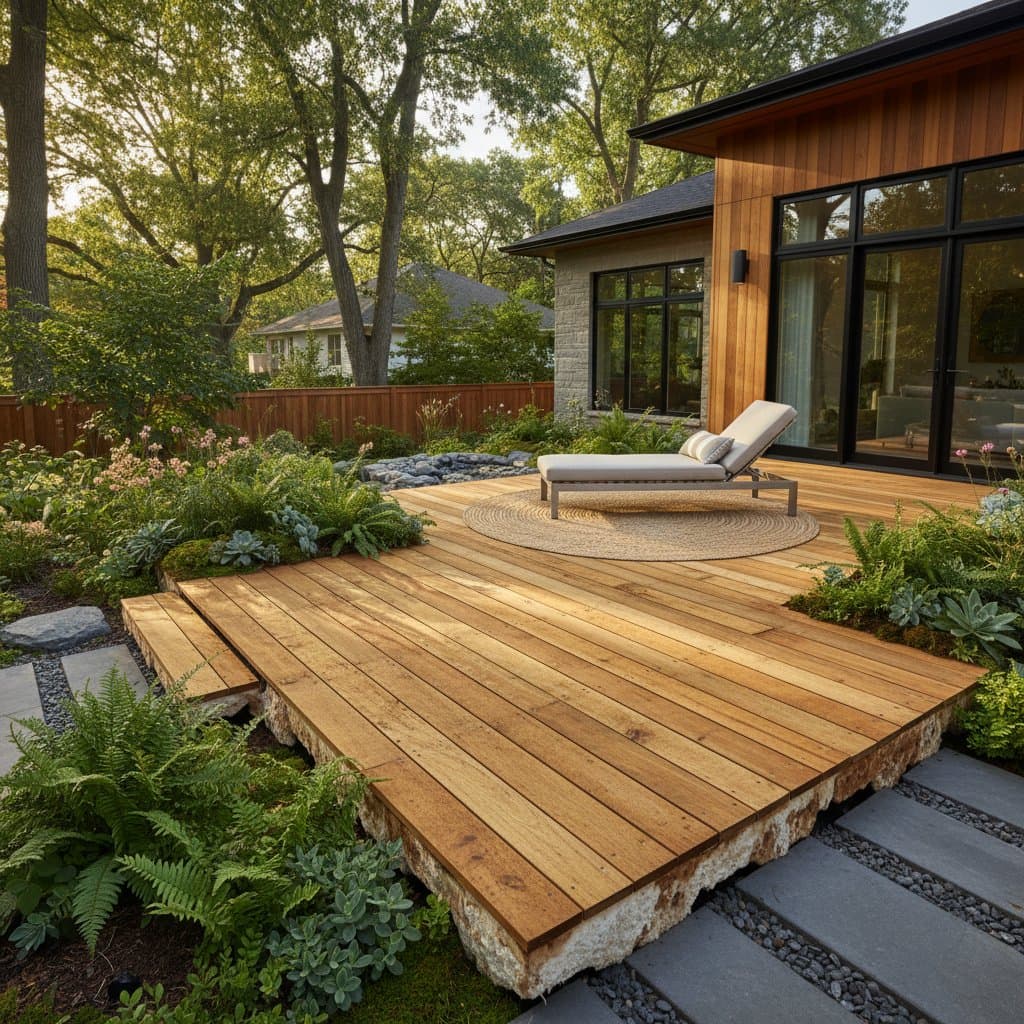
Mycelium decking utilizes the root-like structure of fungi to create strong, natural boards. Growers cultivate mycelium on agricultural waste, such as sawdust or hemp fibers, allowing the fungus to bind materials into durable sheets. Once formed, the boards undergo a heat treatment to halt growth, resulting in a product that mimics wood's texture and strength without harvesting trees.

This material stands out for its compostability. At the end of its life, mycelium decking breaks down in soil within months, returning nutrients to the earth. Unlike treated wood or composite plastics, it avoids chemicals and microplastics, making it ideal for environmentally conscious homeowners.

Homeowners choose mycelium decking for its warmth and versatility. The boards accept stains and finishes similar to wood, enabling custom designs for patios, balconies, or garden paths. With proper care, these decks last 10 to 15 years, offering a balance of performance and planetary benefit.

Key Benefits Over Traditional Options

Mycelium decking reduces deforestation pressures associated with wood harvesting. Production requires minimal energy and water compared to plastic composites, which rely on petroleum. The result is a lower carbon footprint throughout the lifecycle.

Durability meets sustainability in this material. Mycelium resists moisture and insects naturally, though it performs best with protective sealants. In outdoor settings, it withstands foot traffic and weather variations, providing a stable surface for relaxation or entertaining.

From an aesthetic perspective, the organic grain patterns add character to landscapes. Pair it with native plants or recycled furniture for a cohesive, green design. This approach not only elevates your space but also aligns with broader goals of regenerative living.

Planning Your Project

Begin by evaluating your outdoor area. Measure the intended deck size, considering factors like sun exposure and slope. A level site prevents water pooling, which could accelerate wear on organic materials.

Select board thickness based on use. For high-traffic areas, opt for 1-inch boards; lighter-duty paths suit 5/8-inch options. Check local building codes for permits, especially if elevating the deck.

Source materials from reputable suppliers who verify fungal purity and non-toxic binders. Certified products ensure safety and performance. Factor in accessories like hidden fasteners for a clean look and easier upkeep.

Budget Considerations

Mycelium decking boards typically cost between 8 and 12 dollars per square foot. Prices fluctuate based on supplier, board dimensions, and any pre-applied finishes. For a 150-square-foot deck, expect material expenses under 1,800 dollars.

Additional costs include gravel base materials, around 200 dollars, and sealants at 50 dollars per gallon. Tools like saws and drills add minimal expense if already owned. Overall, a basic project remains accessible for DIY enthusiasts.

Compared to alternatives, mycelium offers long-term savings. Wood decks demand periodic chemical treatments, while plastics require energy-intensive recycling. The compostable nature eliminates disposal fees, potentially offsetting initial investments within five years.

Installation Basics

Prepare a stable foundation to support the deck's weight. Lay a 4-inch gravel base over compacted soil, topped with landscape fabric to deter weeds. This setup promotes drainage and protects the boards from direct ground contact.

Cut boards with a fine-tooth saw to minimize fraying. Secure them using corrosion-resistant screws spaced 12 inches apart along joists. Maintain 1/8-inch gaps between boards for expansion and airflow.

Apply a plant-based sealant immediately after assembly. This coat enhances water resistance and UV protection. Allow 24 hours of drying before use, ensuring the surface hardens fully.

Safety Guidelines

Install mycelium decks on a gravel or concrete base, never directly on soil. This prevents moisture wicking and structural weakening over time.

Clean surfaces with low-pressure rinsing, under 500 PSI, to preserve the natural fibers. Harsh methods can erode the protective layer.

Position grills or open flames away from edges or use heat-resistant shields. Mycelium withstands moderate temperatures but benefits from precautions against direct heat.

Troubleshooting Common Issues

After heavy rain, softened boards often firm up with sunlight exposure. Position the deck in a sunny spot and allow at least 24 hours for natural drying.

Address cracks or chips by mixing mycelium dust with plant-based resin into a paste. Apply it to the damaged area, let it cure for 12 hours, then sand smooth for seamless repair.

Mold growth requires prompt attention. Clean affected spots with a solution of one part vinegar to four parts water, followed by thorough drying. Reapply sealant to restore the barrier.

Ongoing Maintenance

Conduct inspections once per season, similar to wood decks. Remove accumulated leaves and debris with a soft broom to maintain appearance and prevent staining.

Examine fasteners for signs of rust and tighten any that loosen. Replace corroded screws promptly to avoid board shifts.

Reapply sealant to high-traffic areas every two years or upon noticing color fade. Use breathable, eco-friendly formulas that allow moisture escape.

Store unused boards in a dry, ventilated shed. Stack them flat with spacers to promote air circulation, keeping the material stable and ready for future projects.

Professional Assistance

Engage a contractor for decks elevated more than 24 inches or connected to buildings. Professionals handle structural supports, proper flashing, and drainage systems to comply with safety standards.

Inquire about their familiarity with biodegradable materials. Request details on moisture barriers and sealing techniques, which can prolong the deck's lifespan by years.

A skilled installer assesses site-specific challenges, such as soil type or wind exposure, ensuring a secure and lasting result.

Seasonal Care Tips

During wet seasons, verify drainage channels remain clear of debris. This prevents standing water that could soften the boards.

In arid periods, apply a light mist to joints every few weeks. This hydration minimizes cracking from extreme dryness.

For coastal installations, rinse surfaces monthly to eliminate salt buildup. Salt residues can etch the finish, so regular cleaning preserves the natural luster.

Steps to Get Started

Transitioning to mycelium decking enhances both your outdoor environment and ecological impact. The solid feel underfoot and fresh ambiance create a space integrated with nature.

Follow these steps:

  1. Locate a supplier offering certified mycelium boards through online directories or local eco-stores.

  2. Draft a layout sketch and calculate square footage accurately to order the right quantity.

  3. Schedule installation during dry weather and enlist help for efficient progress.

Mycelium decking demonstrates how practical choices foster sustainable beauty. Each installation contributes to a narrative of thoughtful stewardship for your home and surroundings.

You Might Also Like

Mushroom Boards: Biodegradable Decking That Grows Itself

Shade Sails Turn Hot Decks Into Cool Urban Retreats

Solar Drip Systems Keep Deck Gardens Watered Automatically

Solar Pavers Convert Steps and Sunlight Into Power

Glass Deck Floors That Skylight the Space Below

Tagged:

materials,deck,mycelium,decking,composite,biodegradable,mycelium-decking,boards,fungus,biodegradable-deck-materials

Recent by Dawn Hayden

Image for Native Plants Turn Small Balconies into Butterfly Havens

Native Plants Turn Small Balconies into Butterfly Havens

Feb 4, 2026
Image for Living Furniture Turns Small Balconies Into Green Retreats

Living Furniture Turns Small Balconies Into Green Retreats

Feb 4, 2026
Image for Glass Deck Floors That Skylight the Space Below

Glass Deck Floors That Skylight the Space Below

Feb 2, 2026
Image for Cut Deck Noise with Acoustic Privacy Screens

Cut Deck Noise with Acoustic Privacy Screens

Feb 1, 2026

materials

Image for Mushroom Boards: Biodegradable Decking That Grows Itself

Mushroom Boards: Biodegradable Decking That Grows Itself

Feb 4, 2026
Image for Solar Pavers Convert Steps and Sunlight Into Power

Solar Pavers Convert Steps and Sunlight Into Power

Feb 2, 2026
Image for Mycelium Boards Replace Wood in Sustainable Decking

Deck Construction & Remodeling

Mycelium Decking: The Compostable Alternative to Wood

Mycelium decking, derived from fungal networks, transforms sustainable outdoor spaces. These boards provide the aesthetic appeal of wood with full biodegradability and low environmental impact. This guide details planning, building, and maintaining a deck that enhances your yard while supporting ecological responsibility.

Feb 6, 2026

Mushroom Boards: Biodegradable Decking That Grows Itself

Mycelium decking boards redefine sustainable outdoor living. Derived from fungal roots and agricultural waste, these boards provide strength, ease of installation, and complete biodegradability. Discover construction techniques, upkeep routines, and benefits for reducing environmental impact while enhancing your space.

Feb 4, 2026

Shade Sails Turn Hot Decks Into Cool Urban Retreats

Convert your sun-baked urban deck into a shaded, inviting oasis using shade sails. Explore expert advice on selecting durable UV-resistant materials, achieving stable installation, performing essential maintenance, and implementing budget-friendly approaches to create a comfortable outdoor environment throughout the seasons.

Categories

Deck Construction & Remodeling(162)
Balcony Design(150)
Small-Space Gardens(63)
Rooftop Decks(52)
Backyard Design(18)

Mycelium Boards Replace Wood in Sustainable Decking

Feb 1, 2026
Image for Mycelium Decks Replace Wood With Living Fungi Material

Mycelium Decks Replace Wood With Living Fungi Material

Jan 27, 2026
Image for Fungal Fibers That Replace Wood Decks and Compost Clean

Fungal Fibers That Replace Wood Decks and Compost Clean

Jan 24, 2026
Feb 4, 2026

Acoustic Garden Pods Block Noise Without Losing Light

Convert your backyard into a serene professional haven with a soundproof deck office constructed from an acoustic garden pod. This comprehensive guide addresses design principles, essential materials, installation procedures, safety measures, and upkeep strategies. The result is a robust, weather-resistant workspace that excludes distractions and promotes productivity mere steps from your home.

Feb 3, 2026

Solar Drip Systems Keep Deck Gardens Watered Automatically

Elevate your deck gardening with solar-powered drip irrigation for precise, hands-free watering. This guide covers final setup steps, safety measures, common fixes, cost breakdowns, and year-round care to foster healthy plants with minimal intervention.

Feb 2, 2026

Solar Pavers Convert Steps and Sunlight Into Power

Elevate your outdoor paths with solar pavers that generate electricity from sunlight and movement. This comprehensive resource outlines functionality, step-by-step setup, budgeting, troubleshooting, and ways to apply the power for lighting or devices—all while promoting green living.

Feb 2, 2026

Glass Deck Floors That Skylight the Space Below

Elevate your deck design with glass floor panels that function as skylights, flooding lower areas with natural light while delivering a sleek, contemporary look. This resource provides in-depth coverage of benefits, essential materials, step-by-step installation, safety protocols, maintenance routines, and guidance on when to hire experts—all to optimize your outdoor environment for light, style, and longevity.

Feb 2, 2026

Mycelium Boards Replace Wood in Sustainable Decking

Mycelium decking redefines sustainable outdoor design with boards cultivated from fungal roots and agricultural waste. These lightweight, compostable planks match wood's strength while minimizing environmental impact. This guide covers planning, installation, and care for a resilient, green yard addition.

Feb 1, 2026

Cut Deck Noise with Acoustic Privacy Screens

Turn urban deck noise into peaceful quiet with acoustic privacy screens. Explore sound-blocking options, step-by-step installation, upkeep advice, and cost-effective choices for a more enjoyable outdoor space throughout the year.

Feb 1, 2026

Deck Benches That Turn Scraps Into Garden Soil

Convert your deck into an eco-friendly oasis with a composting bench that serves as both comfortable seating and efficient soil producer. This comprehensive guide details construction steps, material needs, troubleshooting, and seasonal care to minimize waste and maximize garden yields.

Jan 31, 2026

Permeable Pavers Stop Flooding and Raise Property Value

Permeable pavers convert waterlogged areas into resilient, environmentally friendly surfaces. Water infiltrates through paver joints and stone bases, minimizing runoff, safeguarding structures, and elevating aesthetic appeal. This comprehensive guide details installation processes, upkeep routines, and financial considerations to demonstrate how these pavers promote sustainability, property enhancement, and enduring outdoor usability.

Jan 29, 2026

Turn Your Deck into a Clean Energy Generator

Elevate your deck into a sustainable solar energy source with integrated pavers that merge aesthetics and efficiency. This guide covers sunlight evaluation, circuit planning, durable tile installation, performance upkeep, expense details, safety protocols, and professional consultation needs to create a self-powered outdoor retreat.

Jan 29, 2026

Solar Pavers Turn Sunlight Into Outdoor Power

Elevate your outdoor areas with solar pavers, robust tiles that capture sunlight to generate power for lighting, charging stations, and appliances. This guide covers their functionality, required materials, and detailed installation instructions to build an efficient, wire-free environment that blends practicality with aesthetic appeal.

Jan 28, 2026

Mycelium Decks Replace Wood With Living Fungi Material

Mycelium, the intricate root system of fungi, emerges as a groundbreaking material for decking. This renewable and biodegradable option provides the durability of wood with a fraction of the environmental impact. Readers will gain insights into installation, maintenance, and benefits to create an outdoor haven that aligns with sustainable living principles.

Jan 27, 2026

Deck Pods Turn Open Decks into Year-Round Rooms

Convert your deck into a protected, inviting extension of your home using modular deck pods. This comprehensive guide covers planning, assembly, and upkeep for these adaptable structures, including required tools, safety protocols, and enhancements to achieve a durable, stylish outdoor space that provides year-round utility.

Jan 26, 2026

Solar Shade Sails Generate Power While Cooling Your Deck

Elevate your deck with solar shade sails that offer respite from the sun while harnessing solar power for everyday use. These versatile structures blend comfort with eco-friendly energy generation. Explore practical steps for installation, upkeep, and optimization to create an inviting, self-sustaining outdoor haven.

Jan 26, 2026

Cool Your Deck 15° with Solar Shade Sails

Counter summer deck heat with solar shade sails capable of reducing temperatures by up to 15 degrees. These tensioned fabric panels effectively block UV rays, improve airflow, and install in just one day. Gain insights into required tools, essential safety measures, and maintenance strategies for extended outdoor enjoyment.

Jan 25, 2026

Why Permeable Decks Stay 20 Degrees Cooler

Permeable decks address intense summer heat by facilitating airflow and water passage, which dissipates trapped warmth and maintains surfaces up to 20 degrees cooler. Incorporating light-colored materials, strategic gaps, and evaporative cooling, these decks foster inviting, sustainable outdoor areas that require low maintenance and provide enduring relief from hot surfaces.

Jan 25, 2026

Solar Pergolas Cut City Heat While Powering Your Deck

Elevate your compact urban deck with a solar pergola that delivers shade, produces renewable energy, and enhances sustainability. This comprehensive guide includes planning strategies, material choices, step-by-step installation, safety protocols, and upkeep tips to achieve a cooler, cost-effective outdoor area while increasing home value on a practical budget.

Jan 24, 2026

Fungal Fibers That Replace Wood Decks and Compost Clean

Mycelium decks redefine urban outdoor spaces through sustainable, compostable panels derived from fungal networks. These lightweight, durable alternatives to wood or plastic utilize agricultural waste. Follow this guide to cultivate, process, install, and maintain them for environmentally conscious urban design.

Jan 24, 2026