
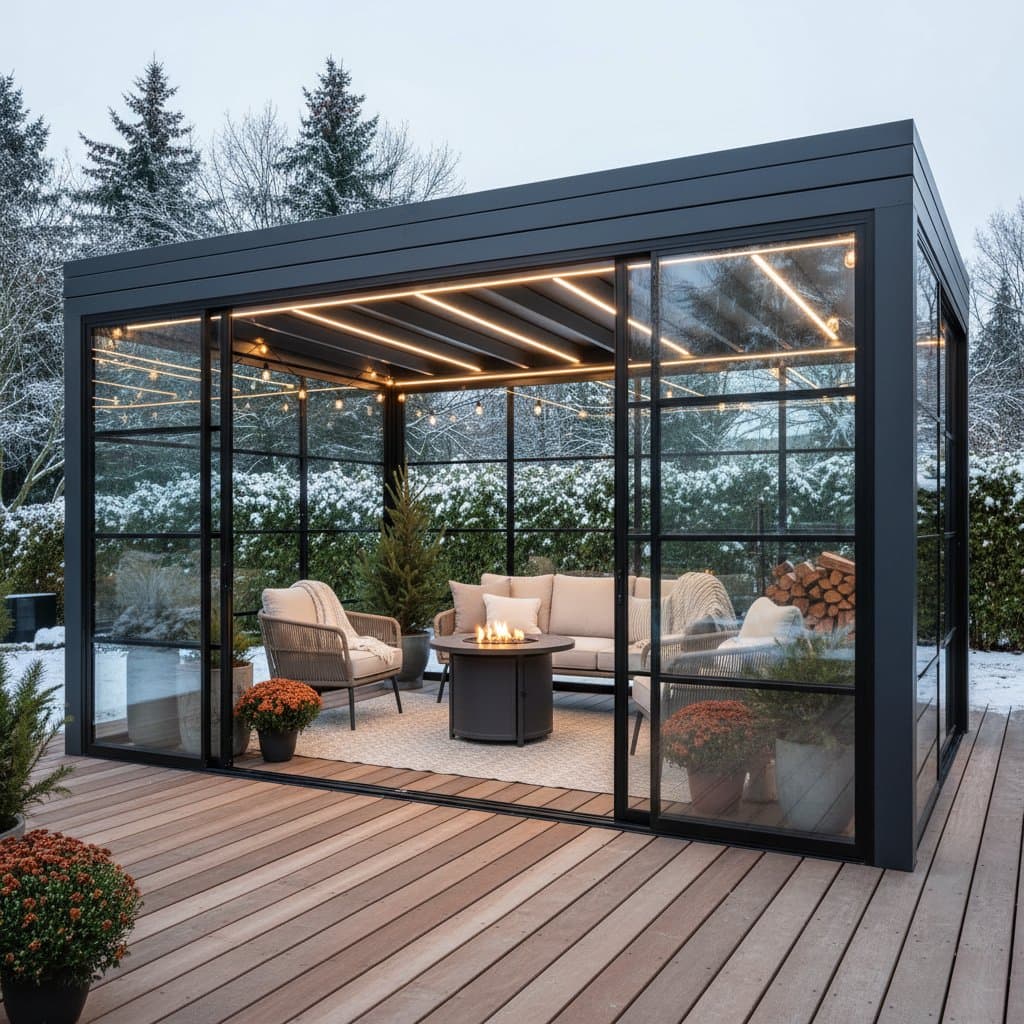
4. Attach Roof Panels or Fabric
Position rigid panels into the roof frame if your pod features them, then secure with provided brackets. Stretch fabric canopies evenly across the frame for softer options, fastening at each corner to maintain even tension. This setup avoids water accumulation by ensuring the material remains taut without sagging.
5. Anchor the Structure
Secure the pod to the deck surface using specialized anchors or robust screws designed for outdoor applications. Avoid penetrating joists unless the manufacturer's guidelines specify otherwise to prevent structural damage. Test each anchor point with a strong pull to verify stability, which helps the frame withstand wind gusts and eliminates potential creaking during use.
6. Add Side Panels or Screens
Attach side panels to the frame via clips or zippers, selecting from mesh screens for ventilation, curtains for soft light diffusion, or solid fabrics for complete enclosure. Designate one side as the primary entry point by leaving it unpanelled or partially open. Fine-tune the configuration to balance privacy needs with adequate air circulation, enhancing overall comfort.
7. Finish and Seal
Apply a thin line of waterproof sealant along the contact points between posts and deck boards to block moisture intrusion. This step safeguards against water damage and subsequent wood deterioration. Remove excess sealant promptly with a cloth to achieve a clean, professional finish before it cures.
Safety Tips
- Install pods away from overhead power lines and overhanging tree branches to avoid hazards.
- Maintain at least a 3-foot gap between the pod roof and any adjacent house siding or roof eaves for proper ventilation and access.
- Verify the manufacturer's load rating before suspending heavy items such as lighting fixtures or potted plants.
- In anticipation of high winds, detach fabric roofs or partially open side panels to minimize wind resistance and prevent structural stress.
Troubleshooting
Loose Joints: After one week of use, inspect and retighten all bolts, as seasonal wood expansion and contraction often cause fittings to loosen over time.
Water Pooling: Increase roof tension or introduce a slight slope; a 1-inch drop over 10 feet facilitates effective drainage and prevents standing water.
Fabric Sagging: Inspect and replace degraded elastic cords or resecure tie-downs, since prolonged UV exposure gradually compromises their integrity.
Frame Noise: Install rubber washers at connection points to dampen vibrations, which commonly arise from minor movements in the structure.
Budget and Time Considerations
Basic pod kits begin at approximately two hundred dollars, with premium aluminum versions extending to twelve hundred dollars based on size and features. Assembly for smaller units requires one to two hours, while larger configurations may demand up to four hours of focused effort. Engaging a handyman incurs an additional one hundred to two hundred dollars, varying by location and deck condition.
Incorporate existing items like outdoor curtains, string lights, or area rugs to reduce expenses without sacrificing quality. Prioritize high-quality fasteners and anchors, as inferior components jeopardize both the pod's longevity and user safety.
Maintenance Practices
Conduct thorough inspections at the onset and conclusion of each season, checking for unsecured bolts, discolored fabric, or emerging rust. Clean components using a solution of mild soap and water to remove dirt without compromising protective coatings. Store removable fabric elements indoors during extended periods of subfreezing temperatures or intense snowfall to extend their lifespan.
Apply silicone-based lubricant to metal joints biannually to ensure smooth operation. Retighten all hardware following severe weather events or after relocating the pod to maintain optimal performance.
Seasonal Adjustments
During warmer seasons, configure side panels to promote airflow and integrate accessories like ceiling fans or misting systems for enhanced cooling. In colder periods, seal panels to shield against drafts and incorporate compact outdoor heaters suitable for enclosed areas, positioning them at least 24 inches from any fabric surfaces.
For regions with frequent precipitation, monitor drainage paths regularly. Clear leaves, twigs, and other debris from the roof surface and ensure nearby gutters remain unobstructed to avert water stains and mold growth.
Storage Solutions
Incorporate built-in shelving units or dedicated deck boxes for organizing cushions, fabrics, and accessories. Label storage bags clearly to simplify retrieval during setup. Install hooks on interior posts for convenient access to extension cords, maintenance tools, or lanterns.
If deck space permits, add a slim bench featuring under-seat storage compartments to streamline tidying and maximize usability.
Professional Assistance Indicators
Seek expert help when:
- Deck surfaces exhibit signs of sagging or sponginess, indicating potential underlying issues.
- The pod dimensions surpass 12 by 16 feet, requiring advanced structural support.
- Electrical installations for lighting or fans become necessary, involving wiring and compliance.
Request a detailed written estimate from contractors and confirm adherence to local permitting requirements, particularly for modifications involving electricity or reinforcements.
Implementing Your Deck Pod
Begin with a modest 6 by 8-foot pod if uncertainty persists, allowing completion over a single weekend to assess its impact on deck functionality. Observe performance across weather conditions before incorporating expansions such as additional panels or integrated lighting. Maintain a dedicated container of spare hardware, labeled for efficiency, to address minor repairs swiftly.
Consistent upkeep and thoughtful installation ensure the pod remains reliable and enjoyable. Measure dimensions carefully, secure anchors firmly, and adapt configurations to seasonal demands. These measures extend your home's usable space, fostering prolonged outdoor engagement in a sheltered, appealing environment.