
Step 5: Seal Joints and Edges
Apply a high-quality silicone caulk along all seams, corners, and around screw heads to prevent water infiltration. Use a damp finger or specialized caulk tool to smooth the application for a clean finish. Allow the caulk to cure for at least 24 hours before conducting a thorough leak test by simulating rain with a hose.
Step 6: Add Flooring and Furnishings
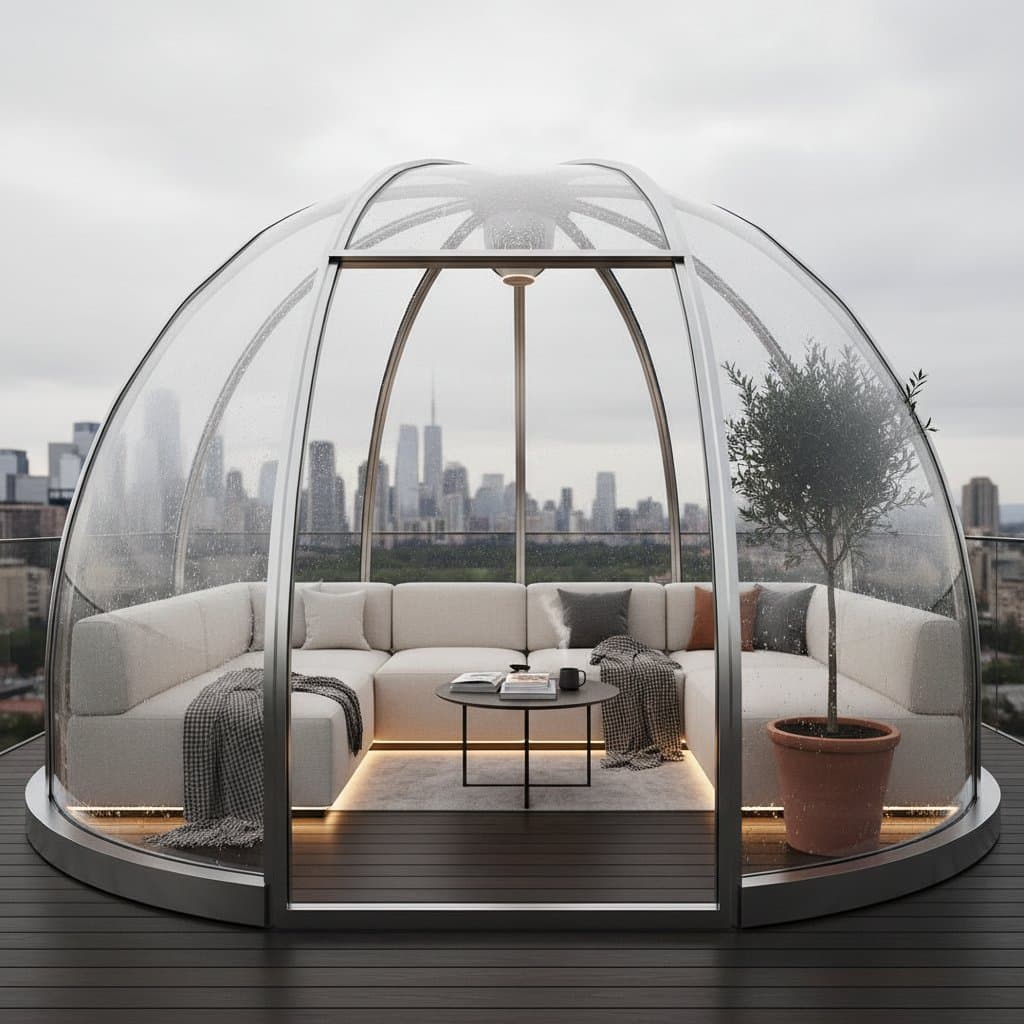
Install interlocking deck tiles that allow for proper drainage by leaving small gaps between pieces. Select lightweight, movable furniture such as rattan, bamboo, or powder-coated steel options, which withstand moisture exposure effectively. Incorporate a weather-resistant rug and soft LED lighting to enhance comfort and create an inviting atmosphere.
Essential Safety Tips
Maintain clear access to ventilation grilles and drains to avoid moisture buildup and ensure air circulation. Select electrical cords specifically rated for outdoor environments to minimize fire risks. Refrain from suspending heavy items from the frame unless the manufacturer's design explicitly permits it. Opt for tempered or laminated glass panels, as standard glass poses a risk of shattering under thermal or impact stress.
Common Troubleshooting Solutions
Condensation on Panels:
Regularly wipe away moisture from the interior surfaces each day. Introduce a small vent or maintain a one-inch gap along the top frame to regulate humidity levels and prevent mold growth.
Drafts at Corners:
Reapply fresh silicone sealant or install new gaskets in areas showing wear. Verify the proper alignment of sliding doors to eliminate gaps that allow air leakage.
Water Pooling on the Floor:
Incorporate a subtle slope in the flooring that directs water toward the balcony drain. If drainage remains sluggish, remove any accumulated debris from the outlet to restore efficient flow.
Noise Leaks:
Apply foam weatherstripping along panel joints and beneath the threshold track to create a tighter seal against external sounds.
Ongoing Maintenance Practices
Weatherproof pods demand consistent yet straightforward upkeep to preserve clarity and prevent moisture-related issues. Regular cleaning removes dust and grime that could otherwise compromise the structure's integrity.
Monthly Maintenance Tasks:
- Clean panels using a solution of mild soap and water, followed by a rinse.
- Inspect all seals for signs of cracks, peeling, or degradation.
- Rinse the floor tiles thoroughly and ensure the drain remains free of obstructions.
Seasonal Maintenance Tasks:
- Examine frame screws for rust development and replace any corroded components promptly.
- Apply silicone spray to lubricate sliding tracks, ensuring smooth operation.
- Gently remove snow accumulation with a soft-bristled broom; avoid using metal tools that could damage surfaces.
With diligent attention to these practices, a properly constructed pod can endure for more than ten years, requiring only occasional minor repairs.
Proper Storage Guidelines
For pods featuring removable panels, store them horizontally in a dry, protected area, separating layers with foam padding to prevent scratches. Use masking tape to label each panel, facilitating quick reassembly during the next season. Store unused sealant tubes in an upright position within a cool environment, ensuring caps remain tightly secured. Roll weatherproof rugs neatly and keep cushions indoors to safeguard against mildew formation.
Budget Considerations and Timeline
Expenses for a weatherproof pod depend on factors such as dimensions, chosen materials, and regional labor costs. Basic single-wall pod kits begin at a few hundred dollars, while comprehensive three-wall glass enclosures may exceed several thousand dollars once professional installation is factored in.
Estimated Ranges:
- DIY Installation Time: 8 to 20 hours, varying with the installer's experience level.
- Material Expenses: 10 to 25 dollars per square foot, covering panels, frames, and sealants.
- Professional Installation Costs: 30 to 50 dollars per square foot, including labor and compliance checks.
Renters should explore portable models that secure via clamps to railings, avoiding permanent alterations. These options prove more affordable and allow relocation without hassle.
Seasonal Care Reminders
Spring Preparation:
Position panels to maximize airflow and conduct a full inspection of seals for damage incurred over winter. Replenish balcony planters with resilient herbs or low-maintenance greenery to revive the space.
Summer Management:
Apply reflective films or install adjustable blinds to mitigate heat buildup. Prioritize ventilation on warmer days to maintain a comfortable interior temperature.
Fall Maintenance:
Clear nearby gutters and drains to prevent blockages from falling leaves. Test all caulk lines for emerging cracks and address them immediately.
Winter Precautions:
Monitor snow accumulation to avoid excessive loads on the structure. Ensure pathways remain clear for safe access. Employ low-wattage heaters only if they carry certifications for use in enclosed outdoor areas.
Indicators for Professional Assistance
Engage a licensed contractor or specialized glazier when the project involves:
- Custom cutting or replacement of tempered glass panels.
- Secure mounting to brick or concrete surfaces for structural stability.
- Integration of electrical systems for heating or illumination.
- Modifications to drainage systems or advanced waterproofing applications.
Request documentation of insurance coverage and obtain a detailed written estimate outlining the scope of work. Professionals can assess load-bearing capacities, verify seal effectiveness, and ensure adherence to local safety regulations prior to finalizing the enclosure.
Practical Steps to Get Started
Installing a weatherproof pod extends the usability of your balcony, shielding it from rain, wind, and urban noise while promoting energy efficiency within your home. Options range from modular panels for simple setups to bespoke glass rooms that harmonize with your building's architecture.
Immediate Actions:
- Measure your balcony's dimensions, including width, depth, and railing height, then create a basic sketch to determine suitable pod configurations.
- Review local building regulations and obtain necessary approvals from property management if required.
- Define your primary use case, whether a serene reading area, compact garden, or dedicated breakfast nook, to guide material and design choices.
These initial steps pave the way for effective planning. Equipped with basic tools, careful execution, and adherence to safety protocols, you can integrate your balcony seamlessly into everyday routines, regardless of weather conditions.