
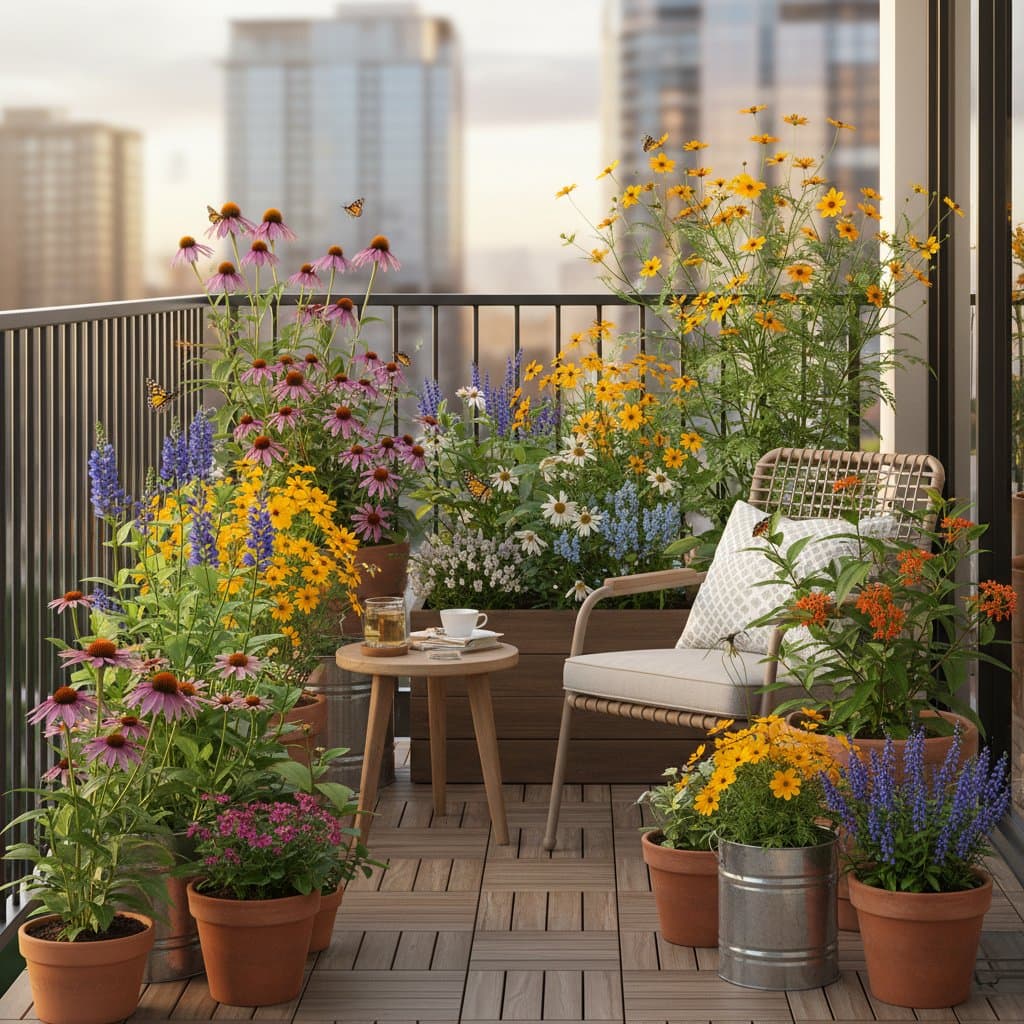
Introduction to Urban Butterfly Gardens
Urban living often limits access to green spaces, yet balconies offer untapped potential for supporting local ecosystems. Native plants play a crucial role in attracting butterflies, which rely on specific host plants for laying eggs and nectar sources for feeding. By incorporating these species, individuals can create self-sustaining habitats that benefit pollinators while adding beauty and tranquility to city environments.
This guide provides a step-by-step approach to establishing and maintaining a butterfly-friendly balcony garden. Focus on plants suited to your local climate and light conditions to ensure success. Even in limited areas, such plants can draw in a variety of butterflies, contributing to broader conservation efforts.
Step 1: Select Native Plants for Your Region
Begin by identifying plants native to your area, as they require less water and care while providing essential food and shelter for local butterflies. Consult regional native plant societies or extension services to compile a list of suitable species. For example, in the Northeast United States, consider milkweed varieties for monarch butterflies, asters for late-season nectar, and goldenrod for resilient blooms.
Prioritize a mix of host plants, where butterflies lay eggs, and nectar plants for adult feeding. Aim for perennials that return annually, supplemented by a few annuals for continuous color. Select three to five species initially to avoid overwhelming a small space, ensuring each thrives in partial sun or full shade based on your balcony's exposure.
Step 2: Choose Containers and Soil
Opt for durable, weather-resistant pots with drainage holes to prevent waterlogging. Terracotta or plastic containers in sizes from 6 to 12 inches work well for small balconies, allowing roots to develop without crowding. Group smaller pots together on stands or rails to maximize vertical space and create a layered effect.
Use a high-quality potting mix amended with compost for nutrient-rich, well-draining soil. Avoid garden soil, which compacts easily and harbors pests. Test the mix's pH if possible, aiming for slightly acidic to neutral levels that mimic natural habitats for native plants.
Step 3: Plant and Arrange for Pollinator Appeal
Plant in spring after the last frost, spacing roots according to label instructions to allow growth. Position taller plants at the back or center, with lower growers in front to optimize sunlight and airflow. Incorporate a shallow dish of water with pebbles nearby as a sipping station for butterflies, placed away from pots to deter ants.
Arrange containers to form clusters that butterflies can navigate easily, ensuring at least six hours of sunlight for most species. Mulch the soil surface with organic matter to retain moisture and suppress weeds, setting the foundation for a thriving mini-ecosystem.
Step 4: Maintain Soil Moisture Levels
Water plants early in the morning every two to three days during periods of high heat. Insert a finger one inch into the soil; if it feels dry, provide water until it drains from the bottom of the pot. Prevent constant wetness, which promotes root rot and fungal issues.
Monitor weather patterns and adjust frequency accordingly, using collected rainwater when available to avoid chlorine in tap water. Consistent moisture supports healthy growth and ensures flowers produce ample nectar for visiting butterflies.
Step 5: Eliminate Chemical Use
Refrain from applying pesticides or synthetic fertilizers, as even trace amounts can poison butterfly larvae and adults. Introduce natural alternatives like compost tea, brewed by steeping compost in water for 24 hours, or slow-release organic pellets applied every few months.
Encourage beneficial insects by allowing some imperfection in the garden. This approach not only protects pollinators but also builds soil health over time, reducing the need for interventions.
Safety Considerations for Balcony Gardening
Secure all pots firmly to railings or surfaces to withstand wind gusts common in urban settings. Employ a sturdy step stool for accessing elevated planters, ensuring it remains stable on the balcony floor.
Wear protective gloves when working with soil or pruning to guard against thorns and dirt. Clean tools thoroughly with soap and water after each session to inhibit mold and bacterial spread.
Common Issues and Solutions
Issue: Leaves appear chewed or entirely missing.
**Resolution: This indicates the presence of caterpillars, a positive sign of butterfly activity. Permit them to feed, as the plants typically recover with new growth in the following weeks.
Issue: Limited butterfly sightings.
**Resolution: Introduce additional flowering varieties or shift pots to capture more direct sunlight. Butterflies seek warmth and vibrant colors, so enhance visibility with strategic placement.
Issue: Soil dries out rapidly.
**Resolution: Cluster pots more closely to create a microclimate, or place them on trays filled with pebbles and a layer of water to increase ambient humidity without soaking roots.
Ongoing Care and Seasonal Adjustments
Remove faded flowers regularly to encourage prolonged blooming and steady nectar availability. During cooler seasons, prune stems back to six inches and position pots near a protective wall. Store excess soil in airtight containers to maintain dryness and usability.
In freezing climates, insulate pots with burlap or bubble wrap to shield roots from extreme cold. Native perennials often reemerge vigorously each year with basic attention; refresh annuals or replace damaged specimens in early spring. Review plant labels for details on longevity and habits to facilitate effective rotation.
Cost and Time Investment
Anticipate expenditures of 60 to 120 dollars for essential items including containers, soil, and initial plants. Initial setup requires two to three hours of effort. Routine maintenance, primarily watering and light trimming, demands 15 to 20 minutes per week.
Seasonal Care Guidelines
- Spring: Renew soil layers, separate overcrowded plants, and introduce host species for emerging butterflies.
- Summer: Maintain steady watering routines and observe the height of butterfly activity.
- Fall: Preserve select seed heads to provide food for birds, pruning only after stems dry completely.
- Winter: Insulate roots with mulch and minimize watering to match dormant conditions.
Professional Assistance When Needed
Consult a licensed landscaper or building inspector if the balcony faces weight restrictions, poor drainage, or severe pest problems. Inquire about maximum load capacities, secure railing options, and compliant container types to ensure safety and compliance.
Building Your Balcony Habitat
Commence with a modest selection of three native plants aligned with your available light, introducing one container weekly. Establish a straightforward watering routine and document visiting butterfly species. With each added bloom, the space gains vitality, inviting greater diversity and joy to urban living.