
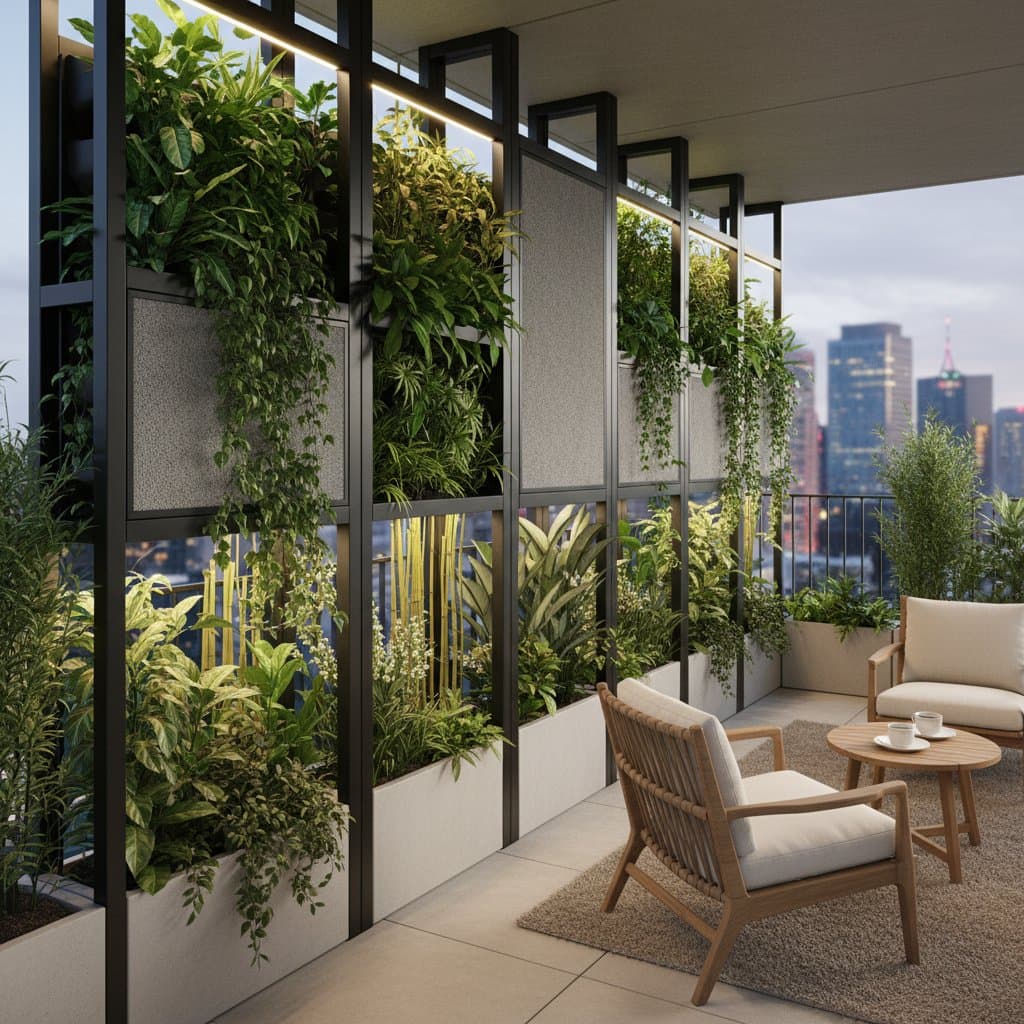
Build Noise-Blocking Garden Walls for a Serene Balcony Oasis
Urban balconies often contend with relentless sounds from traffic, neighbors, and nearby construction. These disturbances can undermine the relaxation you seek in your outdoor space. A well-designed garden wall addresses this by absorbing sound waves, enhancing privacy, and integrating vibrant greenery to foster a tranquil environment.
Such walls typically combine living elements like dense foliage with structural features such as trellises or panels. This approach not only mitigates noise but also improves air quality and aesthetic appeal. By following a structured plan, you can achieve measurable reductions in decibels while maintaining an inviting, natural look.
This comprehensive guide details the principles behind noise-blocking garden walls, outlines safe construction methods, and provides plant selection criteria. You will gain insights into material choices, installation techniques, and seasonal maintenance to ensure long-term effectiveness.
Understanding Noise-Blocking Garden Walls
A noise-blocking garden wall functions as a vertical barrier that dampens sound through absorption and deflection. Sound waves encounter dense materials or thick vegetation, which scatters and dissipates their energy before reaching your seating area. On a balcony, this setup also serves as a windbreak and visual screen, promoting comfort in varied weather conditions.
Effective designs incorporate layers: a sturdy frame supports climbing plants or acoustic materials that trap vibrations. For instance, positioning the wall along the balcony's most exposed edge maximizes impact. Research indicates that covering just 40 to 60 percent of the perimeter can lower perceived noise by 5 to 10 decibels, creating a noticeably quieter zone.
Key factors include coverage density, strategic placement, and material durability. Balconies in high-rises benefit from lightweight, modular components to avoid overloading structures. With proper implementation, your wall becomes an integral part of the balcony, blending functionality with ornamental value.
Essential Tools and Materials
Constructing a balcony garden wall requires accessible tools and durable materials suited to outdoor exposure. Focus on items that ensure precision, safety, and ease of assembly. Below is a curated list to get started.
Tools
- Measuring tape for accurate dimensions
- Drill equipped with a masonry bit for secure attachments
- Spirit level to verify alignment
- Garden shears for pruning and shaping
- Protective gloves and safety goggles
Materials
- Freestanding panels or a trellis spanning 6 feet (1.8 meters) in height, adjustable to balcony size
- Sturdy planter boxes or pots with adequate drainage to support root growth
- High-quality potting mix enriched with compost for nutrient retention
- Dense or climbing plants, such as 3 to 5 specimens per panel for optimal coverage
- Optional acoustic backing like cork sheets or weather-resistant foam for enhanced sound absorption
- Corrosion-resistant screws, brackets, and ties for assembly
Select materials that withstand urban elements, including UV exposure and fluctuating temperatures. Opt for recycled or sustainable options where possible to align with eco-friendly practices.
Step-by-Step Construction Guide
Follow these sequential steps to erect a functional garden wall. Each phase builds on the previous, emphasizing stability and integration with your balcony's layout. Allocate time for drying or settling as needed.
-
Measure and Plan the Layout.
Begin by assessing your balcony's dimensions, particularly the railing or wall length. Sketch a simple diagram marking panel positions, ensuring at least 12 inches (30 centimeters) clearance from seating areas for ventilation. Consider prevailing wind directions and noise sources to prioritize coverage. -
Prepare and Secure the Base.
Position planter boxes at designated spots, filling them with a 50-50 blend of potting mix and compost. For elevated balconies, anchor pots using heavy-duty brackets drilled into stable surfaces. This prevents tipping during gusts; always handle soil with gloves to avoid irritation. -
Install Panels or Trellises.
Erect the trellis or panels directly behind the planters, securing them with weatherproof screws or freestanding weights. Use a level to confirm vertical alignment, then test stability by applying moderate pressure. Modular designs allow for adjustments as plants mature. -
Select and Plant Vegetation.
Choose plants with broad leaves or thick stems for superior sound absorption, such as bamboo for height, boxwood for density, or ivy for rapid coverage. Incorporate flowering varieties like jasmine for visual interest. Plant densely, spacing roots 6 to 8 inches apart, and water thoroughly to establish growth. -
Incorporate Acoustic Enhancements.
For amplified noise reduction, affix cork or specialized outdoor foam to the panel's rear side using adhesive or clips. Ensure the material remains ventilated to avoid moisture buildup, which could lead to degradation. This layer can boost effectiveness by an additional 3 to 5 decibels. -
Finalize and Inspect.
Clean all surfaces, tighten fasteners, and remove debris to maintain safety. Conduct a final walkthrough to verify airflow and access paths remain unobstructed.
Prioritizing Safety During Installation
Safety forms the foundation of any balcony project, especially in urban settings with height considerations. Wear protective gear throughout to guard against debris or sharp edges. Distribute weight evenly across planters to prevent structural strain on railings; consult building guidelines if your balcony exceeds standard load limits.
Steer clear of combustible materials near electrical outlets or heating elements. Regularly inspect for loose components, particularly after storms. Trimming plants prevents overgrowth that could obscure emergency exits or HVAC vents, ensuring compliance with local regulations.
Ongoing Maintenance for Lasting Performance
Sustain your garden wall's efficacy through routine care tailored to seasonal changes. In warmer months, irrigate plants two to three times weekly, adjusting for rainfall. Monthly pruning encourages bushy growth, which is crucial for sound-blocking density.
Annually replace weathered acoustic materials and check hardware for corrosion, applying sealant as needed. A gentle wash with diluted soap solution revives panel appearances without harming vegetation. Monitor for pests, using organic treatments to preserve the ecosystem.
In colder climates, protect sensitive plants by mulching roots or bringing pots indoors. This proactive approach keeps the wall performing year-round, minimizing noise intrusion even during dormant periods.
Common Issues and Solutions
Persistent noise may stem from incomplete coverage; inspect for gaps wider than one inch (2.5 centimeters) and seal them with insulating foam or additional plants. If sound leaks through, reposition panels closer to the noise source while preserving airflow.
Plant health challenges often arise from inadequate conditions. Yellowing foliage signals excess water or insufficient drainage—repot with fresh mix if necessary. For shaded balconies, switch to tolerant species like ferns. Early intervention prevents setbacks and maintains acoustic benefits.
Cost Estimates and Project Timeline
Budget for this project typically ranges from $150 to $400, influenced by scale and quality. Basic setups with affordable plants and DIY panels fall on the lower end, while premium acoustics and mature greenery increase costs. Source materials from local nurseries to cut expenses.
Most installations complete over a weekend, with planning taking one afternoon and assembly the next day. Modular components facilitate phased expansion, allowing you to start with a single section and build incrementally without overwhelming your schedule.
Enhancing Your Balcony Experience
Commence with a targeted installation near high-traffic seating zones, then extend coverage to other edges as budget permits. Uniform plant selections and coordinated containers unify the design, amplifying the serene effect.
Over time, your garden wall evolves into a dynamic feature that not only quiets the urban din but also deepens your bond with nature. This investment yields daily rewards: reduced stress, heightened privacy, and a revitalized outdoor haven.