
4. Install Doors and Windows
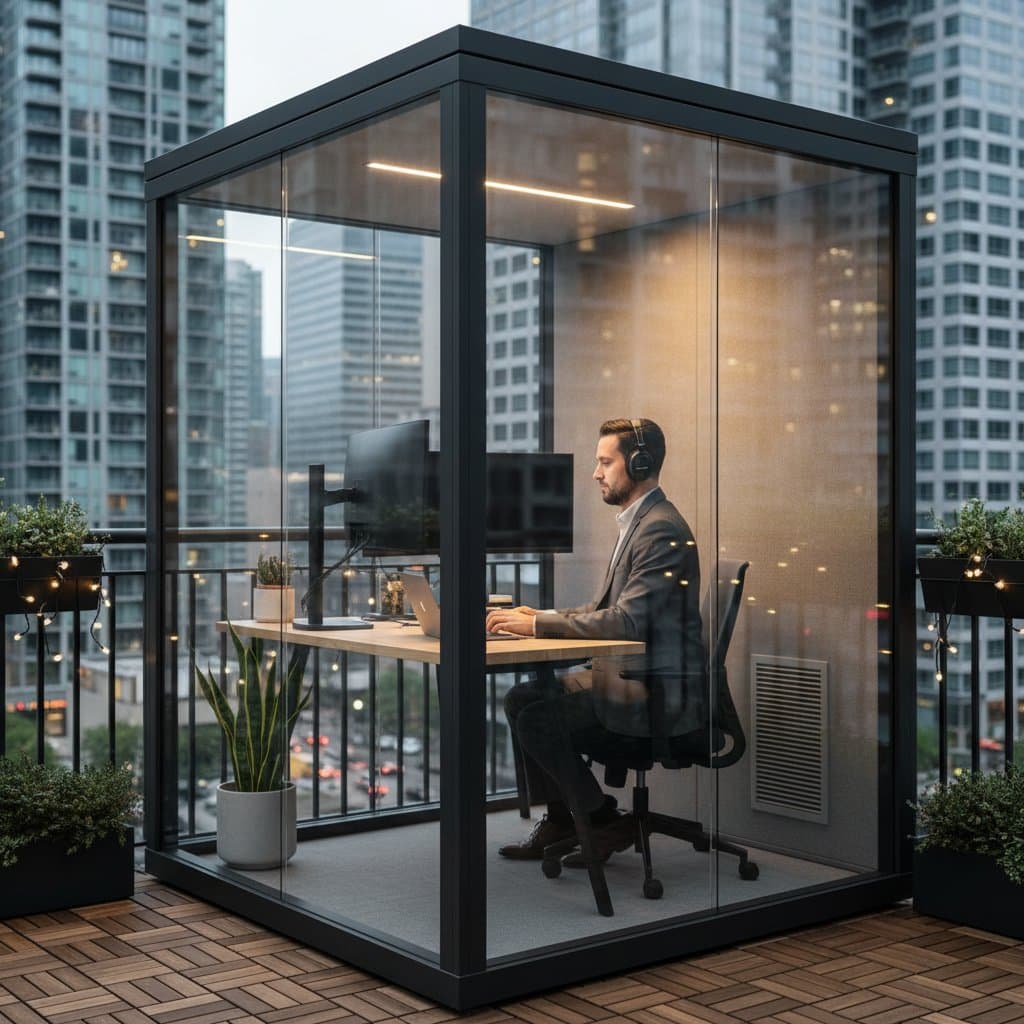
Select tempered glass panels for durability and clarity. Position them securely within the frame and verify that they seal firmly against the structure. To detect air leaks, operate a small fan inside the pod and pass your hand along the joints; any sensed airflow requires resealing with weather-resistant tape or silicone caulk.
This step ensures the enclosure remains airtight, which supports both sound isolation and protection from external elements. Tempered glass also enhances safety by resisting shattering under impact.
5. Add Ventilation
Create a modest vent opening near the upper portion of one wall to facilitate air circulation. Integrate a low-profile fan or adjustable grille into this space. Such features mitigate humidity accumulation, particularly during extended work sessions in varying weather conditions.
Proper ventilation maintains a comfortable internal environment and prevents the growth of mold. Position the vent strategically to avoid direct exposure to rain while allowing passive airflow on calm days.
6. Set Up Furniture and Lighting
Opt for a compact desk measuring approximately 24 inches in depth to maximize available space. Pair it with an ergonomic folding chair that adjusts for comfort during prolonged use. Attach clip-on LED lamps to the desk edge for targeted illumination without occupying additional floor area.
To manage natural light effectively, install semi-opaque blinds that diffuse harsh sunlight while preserving views. This arrangement promotes productivity by balancing visibility and reducing eye strain throughout the day.
7. Conduct Sound Testing
Reproduce typical urban noise by playing music at moderate volume from outside the pod. Position yourself inside and assess audibility. Persistent sound penetration indicates the need for supplementary acoustic foam layers on interior walls or reinforced seals around window frames.
Iterate this test after adjustments to confirm efficacy. Effective soundproofing transforms the space into a genuine sanctuary, essential for concentration in dense city settings.
Essential Safety Considerations
Verify the balcony's load-bearing capacity before installation; the combined weight of the pod, furnishings, and occupants must not exceed manufacturer specifications. Consult building records or a structural engineer if uncertainty exists.
Select materials rated for outdoor exposure, such as treated composites or aluminum frames, to resist swelling and degradation from moisture. Ensure unobstructed access points by maintaining at least one clear pathway or a readily operable door for emergency egress.
Incorporate grounded, outdoor-rated power strips with built-in surge protection instead of lengthy extension cords, which pose tripping hazards. Establish a routine to ventilate the space daily, opening doors or vents for at least ten minutes to dispel stagnant air and reduce condensation risks.
Common Troubleshooting Solutions
Condensation Forming on Glass Surfaces
This issue often arises from inadequate airflow or stark temperature contrasts between interior and exterior. Address it by introducing a compact dehumidifier or extending the operation time of the vent fan to promote drier conditions.
Monitor humidity levels with an inexpensive gauge to preempt recurrence. Regular maintenance in this area preserves visibility and prevents water damage to surrounding components.
Frame Creaking or Shifting
Uneven balcony flooring typically causes this instability. Stabilize the structure by placing rubber shims beneath the frame's corners until it levels perfectly.
Recheck alignment after initial setup and seasonally, as settling can occur. This simple intervention enhances longevity and user confidence.
Persistent External Noise Intrusion
Gaps in sealing joints frequently allow sound entry. Remedy by applying specialized acoustic caulk to all seams or installing an additional insulating panel within the enclosure.
Test post-application to measure improvement. Advanced seals can achieve up to 50 percent noise reduction, elevating the pod's performance.
Excessive Heat Buildup in Sunlight
Direct solar exposure without mitigation leads to overheating. Apply reflective UV-blocking film to windows or erect a protective shade sail over the balcony area.
These measures maintain tolerable temperatures, supporting comfortable extended use. Combine with light-colored exterior finishes to reflect heat effectively.
Constrained Space for Desk Placement
Narrow balcony dimensions limit options. Resolve by mounting a foldable desk directly to the wall or employing a portable laptop stand atop a shallow shelf.
Such adaptations preserve mobility and storage. Measure precisely during planning to accommodate these space-saving solutions seamlessly.
Budgeting and Timeline Expectations
Anticipate costs ranging from $800 to $3,500, influenced by material selections and whether labor is involved. Prefabricated kits generally align with the lower spectrum, offering quick assembly with standard features.
Custom constructions, incorporating premium insulation and integrated electrical systems, approach the upper limit. Factor in potential permits or professional consultations, which may add 10 to 20 percent to the total.
Assembly Timeline
- Prefabricated kits require one to two days, assuming basic tools and a single installer.
- Custom builds extend to three to five days, with additional time for wiring or complex integrations.
Economize through substitutions like rigid foam boards for pricier mineral wool insulation or resilient vinyl tiles over wooden planking. Prioritize investments in structural glass and framing, as these underpin overall safety and acoustic integrity.
Ongoing Maintenance Practices
Examine seals and joints every few months for signs of wear, such as peeling or separation. Renew weatherstripping promptly to sustain barrier effectiveness against elements and noise.
Clean glass surfaces using a solution of mild soap and lukewarm water, followed by a thorough rinse and dry to avoid streaks. For interior walls, employ a soft, damp cloth to eliminate dust buildup without abrasive damage.
Ensure vents remain free of debris; if equipped with a fan, vacuum its filter on a monthly basis. During periods of high humidity, place silica gel absorbers inside to control moisture and inhibit mildew formation.
Annually, tighten all bolts and screws, as balcony vibrations and thermal expansion can cause loosening. Document these inspections to track any emerging patterns and schedule proactive repairs.
Efficient Storage Strategies
Elevate organization by installing wall-mounted shelves above the desk, freeing floor space for movement. Magnetic strips affixed to vertical surfaces securely hold small tools, cables, and accessories.
Utilize stackable bins beneath the seating area for office essentials like notebooks and chargers. Select a multifunctional foldable stool that serves as both a seat and a reach aid for higher storage.
These tactics optimize the compact footprint while fostering a clutter-free environment conducive to focus. Regularly purge unused items to maintain efficiency.
Indicators for Professional Assistance
Engage a specialist if inspections reveal balcony floor cracks or persistent water stains, which may indicate underlying structural weaknesses. Professionals perform comprehensive load assessments to confirm stability.
Inquire specifically about waterproofing techniques, material durability ratings, and sound attenuation capabilities prior to commitment. Experts often apply high-performance acoustic membranes, capable of diminishing noise transmission by up to 70 percent beyond standard foam applications.
Such interventions ensure compliance with local codes and enhance the pod's reliability. Budget for this expertise when scaling beyond basic DIY efforts.
Implementing Your Balcony Pod
Commence with precise measurements of your balcony dimensions and a preliminary sketch of the layout. Determine suitability between a modular freestanding unit and a tailored frame based on spatial constraints.
Upon completion, integrate the pod into your daily routine: ventilate it each morning to refresh the air and secure it at day's end to delineate work from rest. This ritual reinforces its role as a dedicated productivity zone.
Ultimately, a well-executed balcony pod empowers you to modulate noise, harness natural illumination, and sharpen concentration. Through meticulous planning and consistent upkeep, it converts urban distractions into mere ambiance, positioning your outdoor nook as the most peaceful workstation in the vicinity.