
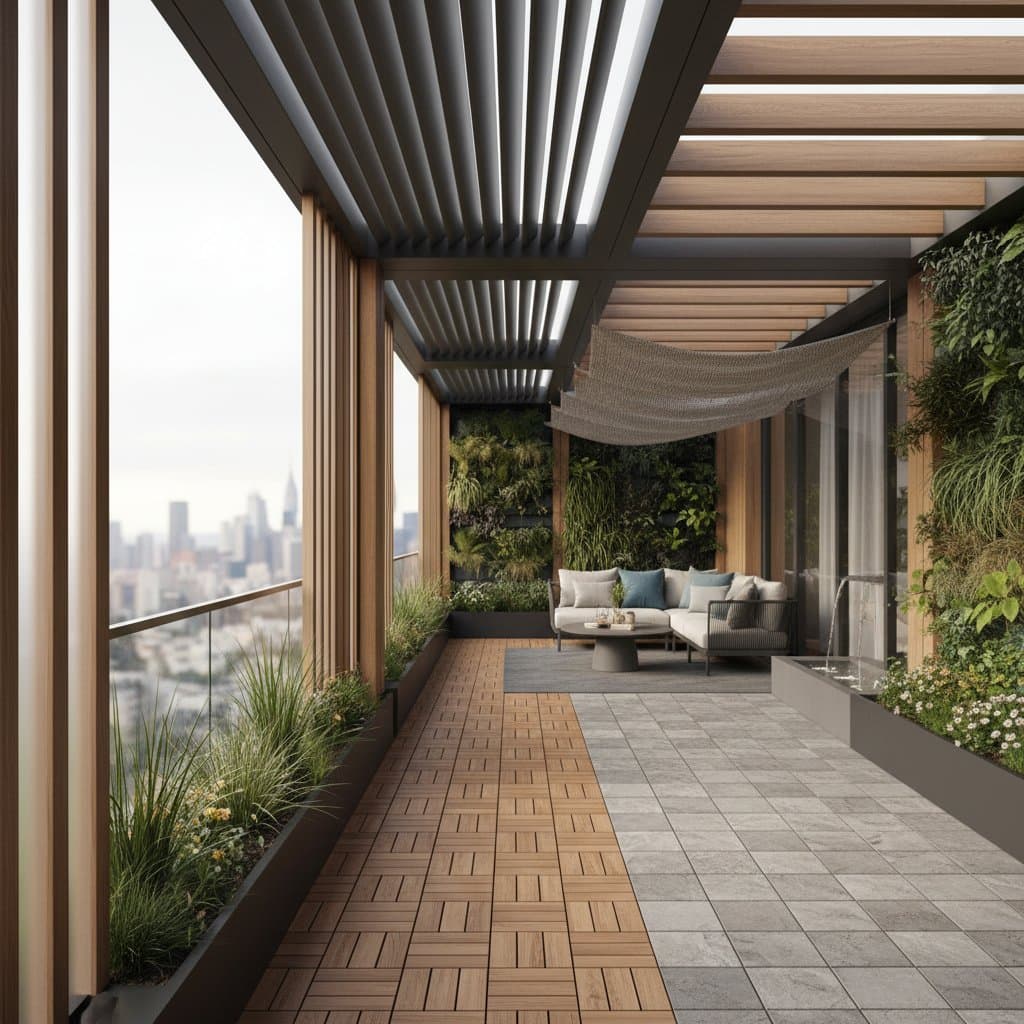
Understanding Your Balcony's Microclimate
Every balcony forms its own small weather system, influenced by building height, surrounding structures, and local conditions. Wind can whip through urban canyons, sunlight varies by orientation, and concrete surfaces absorb or release heat unpredictably. Recognizing these factors allows you to create a balanced environment that extends usable outdoor time.
Start by observing your space. Note prevailing winds from nearby streets or alleys, track sun paths across the day, and feel temperature shifts on floors and walls. This assessment reveals opportunities to block harsh elements while inviting gentle ones, transforming a drafty ledge into a serene retreat.
Step 1: Assess Wind Patterns
Begin with wind, often the biggest disruptor on high-rise balconies. Stand in the space during peak hours, such as late afternoon, and mark directions of strongest gusts using simple flags or streamers. Urban winds tend to funnel upward along building faces, creating turbulence at edges.
Measure average speeds if possible with a handheld anemometer, or estimate by how leaves scatter. Balconies facing prevailing winds, like those on the east side in coastal cities, experience more force. This evaluation guides placement of barriers to shield seating areas without blocking all airflow.
Step 2: Block Unwanted Wind
Install temporary or semi-permanent screens to tame airflow. Opt for acrylic or mesh panels, 4 to 6 feet high, attached to railings with clamps rather than permanent fixtures. These reduce wind speed by up to 50 percent within 3 feet, creating calmer zones for lounging.
Position screens along the windward side, leaving gaps at corners for ventilation. For stronger protection, layer with bamboo fencing or privacy lattice, which diffuses gusts while adding aesthetic appeal. Ensure materials withstand moisture and UV exposure for longevity.
Step 3: Layer the Floor
Concrete balconies conduct cold in winter and radiate heat in summer, making bare feet uncomfortable. Cover with interlocking decking tiles made of composite wood or recycled rubber, which insulate and provide traction. A 0.5-inch thick layer can increase surface warmth by 5 to 10 degrees Fahrenheit on chilly mornings.
For softer texture, add weather-resistant outdoor rugs over tiles, securing edges with weights or ties. Choose light colors to reflect summer sun and dark ones for winter heat retention. This layering not only boosts comfort but also muffles urban noise from below.
Step 4: Adjust Shade and Light
Sunlight brings warmth but can overheat small spaces quickly. Introduce adjustable shading like retractable awnings or cantilever umbrellas, sized to cover 70 percent of the floor area. A 7-foot diameter umbrella, for instance, shields two chairs from direct midday rays without enclosing the space.
Select fabrics with UV protection ratings of 50 or higher to block 98 percent of harmful rays and resist fading. Mount on walls or stands for easy repositioning as the sun arcs. In low-light winters, remove shades to capture every bit of solar gain.
Step 5: Soften the Edges
Sharp balcony edges amplify wind turbulence, so buffer them with natural elements. Place three to four medium-sized planters along the perimeter, filled with dense evergreens like boxwood or ornamental grasses. These absorb gusts, lowering perceived wind by 20 to 30 percent in the center.
Incorporate trellises with climbing vines for added diffusion and privacy. Space elements evenly to avoid dead zones, and use pots with drainage to prevent water pooling. This approach integrates greenery, enhancing both microclimate control and visual tranquility.
Essential Safety Considerations
Prioritize stability in all modifications. Secure screens and shades with rust-resistant hardware, and test for wobble before use. Avoid attaching anything to load-bearing walls without building approval, especially in rentals.
Keep heat sources like electric heaters at least 3 feet from fabrics or plants. After rain, deploy non-slip mats under rugs and rugs themselves to prevent slips. Inspect all installations seasonally for wear that could lead to hazards.
Common Challenges and Solutions
If winds persist despite screens, reinforce with a secondary mesh layer or reposition barriers 6 inches inward to intercept low-level drafts. For excessive midday heat, switch to pale fabrics that bounce back sunlight, cooling surfaces by up to 15 degrees.
When plants wilt from rapid drying, adopt self-watering containers or cluster pots to foster micro-humidity. Monitor for uneven shading that scorches one side; rotate elements weekly to even exposure.
Ongoing Care and Upkeep
Maintain clarity in wind screens by wiping glass or acrylic monthly with mild soap, avoiding buildup that alters airflow or traps heat. Fold and store fabric shades in a protected area during off-seasons to extend life.
Examine all clips, ties, and mounts each spring for corrosion or loosening. Realign deck tiles promptly to prevent cracks from foot traffic. These routines ensure your setup remains effective and safe year after year.
Cost and Effort Overview
A starter kit including wind screens, basic shading, and floor coverings typically ranges from $250 to $600, depending on material quality. Solo installation takes 4 to 6 hours, spread over a weekend.
Professional help for secure mounting or custom fits adds $150 to $300 in labor. Invest in durable pieces to minimize replacements, yielding long-term savings on comfort enhancements.
Adapting to Seasons
Winter demands insulation: Enclose edges with clear panels if permitted, and add thermal rugs to retain floor heat. Summer focuses on ventilation; retract shades by evening to purge accumulated warmth.
Post-rain, elevate rugs for airflow to avert mold, and refresh plant soil to sustain greenery. These adjustments keep your balcony inviting through changing weather.
Knowing When to Seek Expertise
Consult a professional if your balcony shows structural concerns, like loose railings, or if modifications involve electrical elements for automated shades. Experts in urban outdoor design can assess high-wind zones or integrate with building codes.
Hire for complex installs, such as drilling into concrete, to ensure compliance and safety. This step prevents costly errors and maximizes your space's potential.
Putting It into Practice
Observe your balcony's patterns over a full day, recording wind directions and sun angles. Select and install one element, like a wind screen or umbrella, then refine its position after a week of use.
Track changes in comfort levels, adjusting as needed for optimal balance. With these steps, your balcony evolves into a personalized outdoor extension, ready for relaxation in any condition.