
Loading...

Create a Tiny Balcony Bee Haven in Urban NYC | urbanoutdoorsnyc.com | Urban Outdoors - Small-Space Gardens, Rooftop Decks, Balconies, Decks, Backyard Design
Skip to main content
Urban Outdoors
Search
Home
  1. Home
  2. /
  3. Small-Space Gardens
  4. /
  5. Three Square Feet of Balcony That Feeds Urban Bees
Small-Space Gardens

Three Square Feet of Balcony That Feeds Urban Bees

byDawn Hayden
2026-01-25 04:39:36January 25, 2026
5 min read
Featured image for Three Square Feet of Balcony That Feeds Urban Bees

Categories

Navigation

  • Home
  • All Articles
  • About Us
  • Privacy Policy
  • Terms of Service

© 2026 Urban Outdoors. Crafted for bold city dwellers.

2026-01-27 03:53:14
Urban Outdoors - Small-Space Gardens, Rooftop Decks, Balconies, Decks, Backyard Design

Introduction to Urban Bee Havens

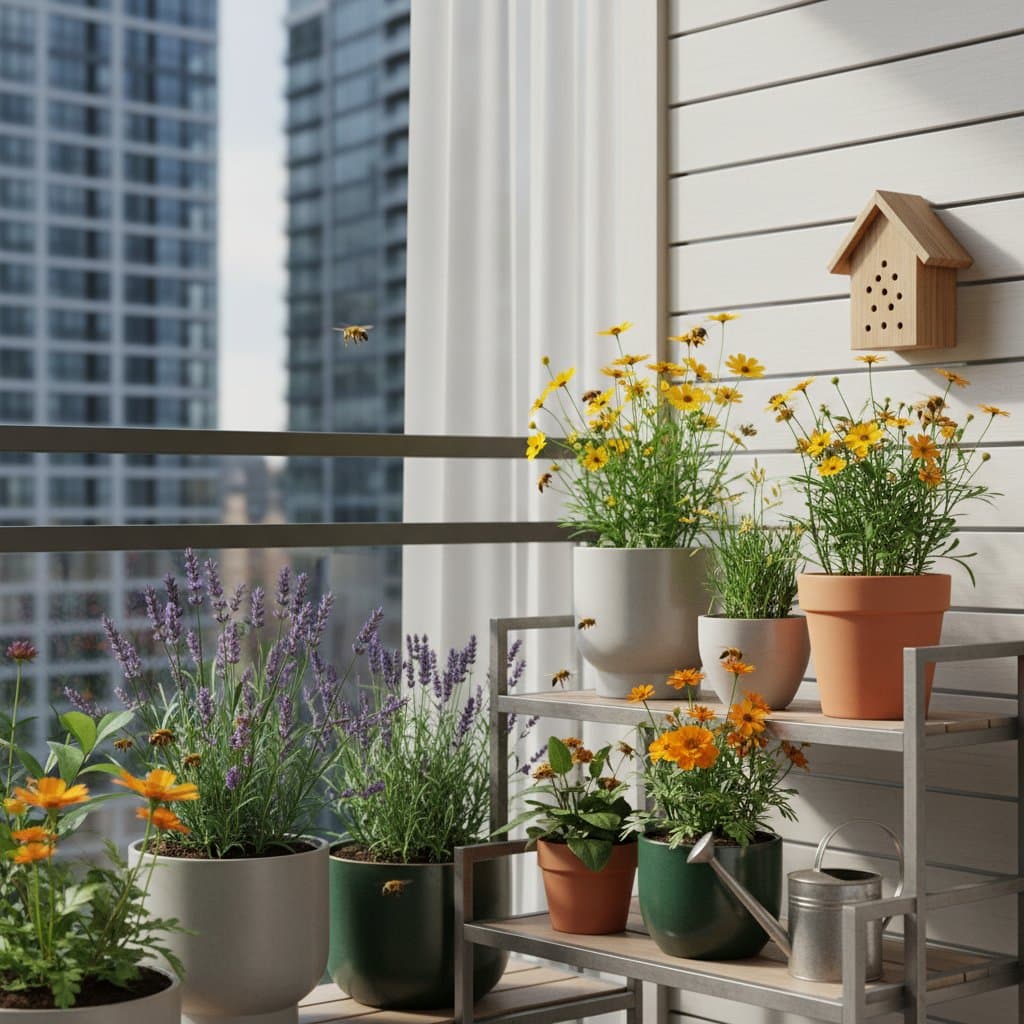
Urban environments challenge pollinators like bees, which face shrinking habitats and limited food sources. Yet, small actions in city apartments can make a significant impact. A balcony measuring just three square feet offers enough room to cultivate nectar-rich plants that draw in bees, supporting local biodiversity while adding greenery to your daily view.

Bees play a crucial role in pollinating urban gardens and wild areas, aiding food production and plant reproduction. By creating a dedicated spot, you provide essential nectar and pollen, helping solitary bees and honeybees alike. This setup requires minimal space and resources, fitting seamlessly into balcony life.

Selecting Plants and Containers

Choose plants native to your region for optimal bee attraction, as they align with local species' preferences. Focus on varieties that bloom across seasons to ensure a steady supply of resources. Recommended options include bee balm for summer vibrancy, lavender for fragrant early blooms, and asters for fall nectar.

Select five to seven plant types to promote continuous flowering. Compact perennials like salvia and coreopsis thrive in small pots, while annuals such as zinnias fill gaps with quick color. Prioritize flowers with open structures, allowing bees easy access to pollen.

Containers should suit your balcony's style and sunlight exposure. Opt for terracotta or plastic pots with drainage holes to prevent root rot. Arrange them in a cluster: one larger pot for a central perennial, surrounded by smaller ones for herbs and annuals. This configuration maximizes pollination efficiency in limited space.

Setup Costs and Timeline

Establishing your bee-friendly balcony involves straightforward expenses. Soil and potting mix cost between 15 and 25 dollars for quality, organic options. Plants range from 25 to 50 dollars, varying by size and variety; start with young specimens to control costs.

A bee house, optional but beneficial for solitary bees, adds 15 dollars. Include a shallow water dish with pebbles for safe drinking spots, available for under 10 dollars. Total investment falls between 70 and 150 dollars for a complete arrangement.

Complete the planting and organization in one afternoon. Position pots to receive at least six hours of sunlight daily. Water thoroughly after setup, then monitor for the first signs of bee visitors as blooms emerge, typically within weeks.

Daily and Weekly Maintenance

Routine care keeps your balcony ecosystem balanced. Water plants every day during dry spells, ensuring soil remains moist but not waterlogged. Check for pests weekly, removing any aphids by hand or with a gentle water spray.

Deadhead spent flowers once a week to encourage new growth and extend blooming periods. Rotate pots occasionally for even sun exposure. These tasks demand about 10 minutes daily, integrating easily into morning or evening habits.

Avoid chemical pesticides entirely, as they harm bees. Use natural alternatives like neem oil sparingly if needed. Observe bee behavior to adjust care, noting which plants attract the most activity.

Seasonal Care Guidelines

Adapt your routine to weather changes for year-round success.

Spring Preparation

Begin by refreshing soil with compost to enrich nutrients. Inspect drainage holes and clear any debris to avoid water buildup. If temperatures remain cool, start seeds indoors and transplant once frost risks pass.

Summer Management

Increase watering frequency when temperatures exceed 85 degrees Fahrenheit, or 29 degrees Celsius. Install shade cloth over sensitive plants to prevent scorching. Monitor for invasive insects like wasps; eliminate food sources such as fallen fruit.

Fall Transitions

Allow some flowers to form seeds, providing food for overwintering birds. Clean bee houses gently after the active season ends, storing them dry until spring. Relocate fragile pots to wind-protected areas.

Winter Protection

Leave dry leaves in one container to offer insulation for ground-nesting bees. Protect soil from erosion during freeze-thaw periods by avoiding excessive rinsing. Review the past season's performance to select resilient plants for renewal.

Professional Assistance When Needed

Most balcony setups require no expert intervention. However, contact a licensed pest control or beekeeping specialist if a large bee swarm appears. These groups often relocate bees humanely rather than remove them destructively.

Assess your balcony's structural integrity before adding weight. If moisture or pots cause concerns, consult your building superintendent for a load capacity evaluation. Early checks prevent issues in high-rise settings.

Essential Practices for Success

A three-square-foot area sustains dozens of bees daily through diverse plantings. Maintain five to seven varieties for uninterrupted nectar flow. Position one shallow water dish with stones to offer safe hydration points.

Steer clear of synthetic chemicals and excessive fertilizers, which disrupt bee health. Emphasize native species, as they provide the most compatible nutrition for urban pollinators. Track progress with a simple journal to refine your approach over time.

Steps to Launch Your Balcony Habitat

Initiate your project with these immediate actions.

  1. Identify the sunniest balcony corner and prepare the space by removing obstacles.
  2. Acquire three suitable containers, fill with soil, and plant at least one pollinator-friendly species.
  3. Introduce a water source and observe; bees typically discover fresh blooms within days.

Your initiative connects to broader urban efforts, forming a network of refueling stations for bees navigating concrete landscapes. As you witness the gentle hum near your plants, recognize the contribution: a vital link in sustaining city wildlife and fostering ecological balance.

You Might Also Like

Natural Acoustic Walls Cut Balcony Noise by Decibels

Microclimate Pods Extend Growing Season on Balconies

Solar-Powered Watering Cuts Balcony Care by 80 Percent

Garden Walls That Cut Balcony Noise by Decibels

Aeroponic Towers Fit Full Veggie Gardens in 4 Feet

Tagged:

garden,plants,friendly,balcony,pollinator,pollinator-garden,wildlife,bee,bee-friendly-plants,balcony-wildlife

Recent by Dawn Hayden

Image for Solar-Powered Watering Cuts Balcony Care by 80 Percent

Solar-Powered Watering Cuts Balcony Care by 80 Percent

Jan 25, 2026
Image for Solar Pergolas Cut City Heat While Powering Your Deck

Solar Pergolas Cut City Heat While Powering Your Deck

Jan 24, 2026
Image for Compact Fire Tables That Fit Small Urban Balconies

Compact Fire Tables That Fit Small Urban Balconies

Jan 22, 2026

garden

Image for Microclimate Pods Extend Growing Season on Balconies

Microclimate Pods Extend Growing Season on Balconies

Jan 26, 2026
Image for AI Cameras That Water Plants and Deter Deck Pests

AI Cameras That Water Plants and Deter Deck Pests

Jan 21, 2026
Image for Map Your Deck's Hot Spots Before You Zone

Small-Space Gardens

Microclimate Pods Extend Growing Season on Balconies

Turn your balcony or rooftop into a productive garden that defies seasonal limits with microclimate pods. These innovative enclosures maintain optimal warmth, humidity, and airflow. Follow this comprehensive guide for construction, plant selection, safety measures, and ongoing care to harvest greens and herbs throughout the year.

Jan 26, 2026

Three Square Feet of Balcony That Feeds Urban Bees

In the heart of urban living, three square feet of balcony can become a thriving haven for bees. This guide details plant selections, container arrangements, and maintenance practices to attract pollinators throughout the year. With modest investment and simple routines, your compact space contributes to healthier ecosystems and serene outdoor moments.

Jan 25, 2026

Aeroponic Towers Fit Full Veggie Gardens in 4 Feet

Convert a compact balcony into a productive, soil-free vegetable garden using aeroponic towers. This detailed guide covers planning, assembly, and maintenance for a lightweight system that delivers abundant yields while fitting urban constraints like limited space and sunlight.

Categories

Deck Construction & Remodeling(149)
Balcony Design(140)
Small-Space Gardens(56)
Rooftop Decks(50)
Backyard Design(17)

Map Your Deck's Hot Spots Before You Zone

Jan 19, 2026
Image for Plants Cut City Noise With Layers and Smart Placement

Plants Cut City Noise With Layers and Smart Placement

Jan 17, 2026
Image for AI Garden Cams Catch Plant Problems Before They Spread

AI Garden Cams Catch Plant Problems Before They Spread

Jan 14, 2026
Jan 24, 2026

Balcony Microclimates That Triple Your Harvest

Transform your balcony garden by identifying and leveraging microclimates—warm pockets, windy perimeters, and shaded retreats—that influence plant success. Map exposure to light, air, and temperature; assign suitable crops to zones; and adapt seasonally for a bountiful, year-round harvest in compact settings.

Jan 23, 2026

Balcony Mushroom Farms That Pay for Themselves

Transform your shaded balcony into a profitable mushroom farm producing gourmet varieties like oyster and shiitake. This guide covers setup, maintenance, harvesting, and sales strategies to generate steady income from urban space with minimal effort.

Jan 21, 2026

Acoustic Walls Cut Neighbor Noise Without Renovating

Achieve tranquility in bustling urban environments through acoustic walls, strategic sealing, and sound-absorbing plants. This guide provides practical installation steps, affordable material recommendations, and maintenance tips to create a serene home without extensive renovations.

Jan 18, 2026

Plants Cut City Noise With Layers and Smart Placement

Convert urban balconies or courtyards into tranquil refuges with sound-absorbing plants. Discover layering techniques featuring bamboo, evergreens, and grasses to diffuse noise, plus essential tips on selection, positioning, care, and affordability for compact green spaces.

Jan 17, 2026

Turn Your Balcony Into a Pollinator Stopover

Convert your balcony into a vibrant pollinator habitat that draws in bees, butterflies, and hummingbirds. Employ native plants, fresh water sources, and basic containers to promote urban biodiversity, improve air quality, and establish a serene green oasis, all achievable for less than seventy dollars with minimal weekly maintenance.

Jan 17, 2026

Dwarf Fruit Trees Turn Tiny Balconies into Orchards

Even the tiniest balcony can become a productive orchard with dwarf fruit trees. Compact options like Meyer lemon and dwarf apple varieties yield full-sized fruit in containers. This guide provides essential steps for setup, ongoing care, and troubleshooting to help city dwellers cultivate fresh produce just steps from their living spaces.

Jan 15, 2026

Turning Nine Square Feet Into a Pollinator Haven

Convert a modest 3x3 balcony into a dynamic micro-meadow that supports bees, butterflies, and birds. This comprehensive guide explains the process of designing, planting, and sustaining a lightweight, low-maintenance native plant habitat that delivers seasonal blooms, tranquility, and environmental benefits to city dwellers.

Jan 15, 2026

AI Garden Cams Catch Plant Problems Before They Spread

AI garden cameras leverage smart sensors and machine learning to track plant health, identify stress indicators promptly, and provide targeted care recommendations. This comprehensive guide covers device selection, installation procedures, data interpretation, and optimization strategies for watering and lighting, enabling urban gardeners to sustain healthy plants with reduced uncertainty and minimal effort.

Jan 14, 2026

Why Wildflower Balconies Supercharge Urban Pollinators

Convert your balcony into a buzzing mini-ecosystem that sustains urban pollinators. Explore native wildflower choices, efficient container arrangements, and simple maintenance routines to build lasting habitats in compact city areas. Gain insights into budget-friendly supplies, time commitments, and year-round strategies for a pollinator paradise.

Jan 12, 2026

AI Sensors Stop Deck Plants From Drying Out

AI sensors revolutionize deck gardening with automated watering based on real-time environmental data. This comprehensive guide covers installation, calibration, troubleshooting, and maintenance to ensure thriving plants, water savings, and minimal effort in compact urban spaces.

Jan 9, 2026

Plants That Cut City Noise by Half in Small Yards

Convert urban clamor into peaceful garden ambiance through targeted planting. Understand how thick foliage captures and diffuses noise, transforming compact areas into restorative sanctuaries. This guide covers noise assessment, plant selection, and layered arrangements for an efficient, affordable acoustic shield that enhances city living.

Jan 8, 2026

Aeroponic Towers Grow 20 Plants on a Balcony

Elevate your balcony into a productive, soil-free garden using aeroponic towers by 2026. This comprehensive guide covers mist-based vertical farming for greens and herbs, emphasizing efficient space use, reduced water consumption, and simple upkeep. Discover assembly steps, care protocols, safety measures, and budget tips for continuous harvests at your doorstep.

Jan 6, 2026

Drip System Waters 50 Pots on One Timer

Elevate your urban balcony garden using a straightforward DIY drip irrigation setup that automates watering for more than 50 pots. This guide covers zone planning, material selection, and installation in just a few hours for less than $150. Benefit from water conservation, reduced plant stress, and reliable, automated care ideal for time-strapped city dwellers.

Jan 4, 2026

Acoustic Garden Walls Block Noise on Small Balconies

Convert a bustling city balcony into a tranquil haven using an acoustic garden wall. This guide details methods to absorb noise, integrate lush greenery, maintain ventilation, and incorporate stylish privacy elements. Explore essential tools, materials, plant selections, and efficient storage solutions to create an affordable outdoor sanctuary over a single weekend.

Jan 1, 2026

Solar Drip Kits Water Plants Without Electricity

Harness solar energy for automatic plant watering with drip kits designed for urban spaces. This comprehensive guide covers installation from pump connection to final tweaks, plus safety, maintenance, and tips to ensure thriving rooftop and balcony greenery with minimal effort.

Dec 30, 2025

Native Wildflowers Feed Urban Pollinators Year-Round

Convert a compact balcony into a vital habitat for pollinators with native wildflowers. Select hardy local varieties, design container layouts for continuous blooms, and draw in bees, butterflies, and hummingbirds. This approach requires few resources and delivers sustainable color and ecological benefits to city dwellers.

Dec 23, 2025

Native Grasses Create Urban Pollinator Stops on Balconies

Convert your city balcony into a vibrant mini-meadow with resilient native grasses that draw in bees, butterflies, and birds. This guide covers selecting appropriate species, container arrangement, and low-maintenance care to foster an urban ecosystem with ease and affordability.

Dec 22, 2025