
Loading...

Dwarf Fruit Trees for Balcony Harvest | urbanoutdoorsnyc.com | Urban Outdoors - Small-Space Gardens, Rooftop Decks, Balconies, Decks, Backyard Design
Skip to main content
Urban Outdoors
Search
Home
  1. Home
  2. /
  3. Small-Space Gardens
  4. /
  5. Dwarf Fruit Trees Bring Fresh Harvest to Your Balcony
Small-Space Gardens

Dwarf Fruit Trees Bring Fresh Harvest to Your Balcony

byDawn Hayden
2026-02-12 04:25:29February 12, 2026
6 min read
Featured image for Dwarf Fruit Trees Bring Fresh Harvest to Your Balcony

Categories

Navigation

  • Home
  • All Articles
  • About Us
  • Privacy Policy
  • Terms of Service

© 2026 Urban Outdoors. Crafted for bold city dwellers.

2026-02-12 04:25:29
Urban Outdoors - Small-Space Gardens, Rooftop Decks, Balconies, Decks, Backyard Design

Harvest Fresh Fruit on Your Balcony Orchard

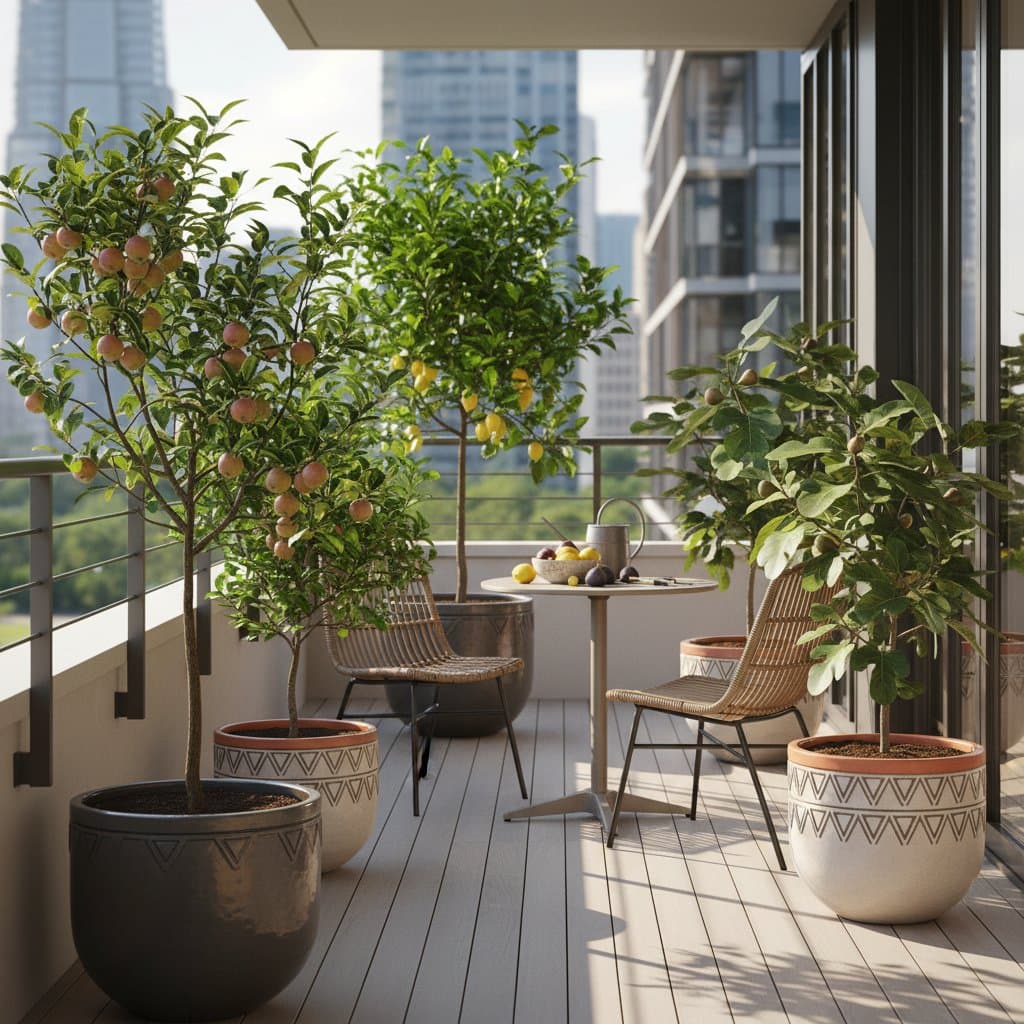
Imagine stepping onto your balcony with morning coffee in hand, observing tiny green figs ripening on a branch by the railing. A balcony orchard delivers this everyday delight directly outside your door. This approach enables the cultivation of fresh fruit in containers, regardless of living several floors above ground level. The following guidance assists in establishing and maintaining dwarf fruit trees to yield homegrown produce within limited spaces.

Readers will gain knowledge on the nature of dwarf fruit trees, selection of containers and soil, pruning and watering practices, and strategies for seasonal health.

Overview

A balcony orchard consists of a compact assortment of dwarf fruit trees cultivated in pots or planters. These dwarf varieties result from breeding or grafting techniques that limit growth to 4 to 8 feet in height, approximately 1.2 to 2.4 meters, while bearing full-sized fruit. Such characteristics render them suitable for balconies, patios, or modest courtyards.

Balcony orchards provide multiple advantages:

  • Access to fresh, pesticide-free fruit at arm's reach.
  • Shade and privacy enhanced by foliage.
  • Attraction of pollinators that benefit surrounding vegetation.
  • Creation of a tranquil green environment that reduces daily stress.

Farmland or a greenhouse proves unnecessary. Proper containers, soil compositions, and care protocols allow the growth of apples, lemons, figs, or cherries adjacent to the kitchen.

Tools and Materials

Minimal equipment suffices to begin, yet each element contributes to robust development.

  • Containers: Allocate one per tree, measuring at least 18 inches in width and 16 inches in depth, or 45 by 40 centimeters. Opt for larger sizes to promote root stability.
  • Soil mix: Combine potting soil, compost, and perlite to ensure effective drainage.
  • Fertilizer: Select slow-release granules or liquid formulations designated for fruit trees.
  • Watering can or drip line: Employ these for uniform moisture application without excess.
  • Pruning shears: Maintain sharpness and cleanliness for shaping and eliminating dead branches.
  • Support stakes or trellis: Utilize for branches laden with fruit.
  • Mulch: Apply a 2-inch layer, or 5 centimeters, to conserve moisture.

Steps

Follow these sequential actions to progress from initial setup to initial harvest.

Step 1: Choose the Right Tree

Select dwarf or semi-dwarf cultivars. Prioritize self-pollinating options if space accommodates only one tree. Viable selections encompass:

  • Meyer lemon or calamondin orange for sun-exposed balconies.
  • Dwarf apple or pear for temperate regions.
  • Fig or pomegranate for arid, warm conditions.

Verify the mature dimensions indicated on the label. Varieties reaching under 8 feet in height suit typical balconies.

Step 2: Prepare the Container

Position a layer of gravel or shattered pottery shards at the base to facilitate drainage. Fill the remainder with the prepared soil mix, reserving 2 inches below the rim. Ensure the container features drainage holes to avert root rot.

Step 3: Plant the Tree

Position the tree such that the upper edge of the root ball aligns with the soil surface. Pack surrounding soil firmly yet loosely. Irrigate gradually until water emerges from the base.

Step 4: Add Support and Mulch

Incorporate a stake or trellis should the tree exhibit instability or bear substantial fruit. Layer mulch around the base, maintaining a 1-inch clearance from the trunk to prevent decay.

Step 5: Water and Feed

Irrigate upon sensing dryness in the top inch of soil. During warmer periods, this frequency might occur every two or three days. Apply balanced fertilizer monthly, or adhere to instructions for slow-release variants.

Step 6: Prune and Train

Conduct pruning during early spring and midsummer to preserve a compact form. Eliminate intersecting branches and shorten for improved air circulation. Secure young branches to the trellis as required to optimize light exposure.

Step 7: Harvest with Care

Harvest fruit at peak firmness and aroma. Employ scissors or a careful twist to detach without damaging the stem. Consume promptly or store in a cool location.

Safety Tips

  • Transport heavy containers using a dolly or seek assistance.
  • Don gloves during pruning or fertilizer application.
  • Verify balcony load capacities prior to installing several sizable pots.
  • Position containers to prevent water drainage from affecting surfaces or dripping onto units below.

Troubleshooting

Leaves yellowing: Excess moisture often causes this issue. Permit slight drying of the soil and inspect drainage openings.

Few or no fruit: Insufficient sunlight may contribute. Target a minimum of six hours of direct sunlight daily.

Sticky leaves or pests: Gently rinse foliage or apply insecticidal soap.

Cracked fruit: Maintain consistent watering to avoid abrupt fluctuations in moisture levels.

Maintenance and Storage

Balcony orchards require consistent yet straightforward attention.

  • Winter: Encase containers in burlap or relocate near a protective wall for insulation. Diminish watering while preventing complete soil desiccation.
  • Spring: Renew the upper 2 inches of soil and administer light fertilization.
  • Summer: Monitor moisture daily, particularly amid heat spells.
  • Fall: Perform light pruning and clear fallen debris to deter illnesses.

During relocation or repotting, treat roots with care. With diligent management, dwarf trees endure over ten years in containers.

Budget and Time

Initiating a modest balcony orchard remains economical. Anticipate expenditures of:

  • $30 to $60 per tree, varying by type.
  • $20 to $40 per container.
  • $10 to $25 for soil and fertilizer.

Assembly demands approximately half a day for one or two trees. Subsequent maintenance involves ten minutes every few days for irrigation and occasional pruning.

Seasonal Reminders

  • Early spring: Repot or amend the surface soil layer.
  • Mid-summer: Prune to enhance form and ventilation.
  • Fall: Stabilize branches against impending winds.
  • Winter: Shield roots from frost and curtail fertilizer applications.

These targeted practices sustain tree equilibrium and productivity throughout the year.

When to Call a Pro

Consult an expert if assessing rootstock vitality, contemplating soil replacement, or considering grafting for enhanced yields.

Key Takeaways

A balcony orchard facilitates access to fresh fruit, verdant shade, and routine tranquility within confined areas. Dwarf fruit trees align with urban lifestyles through gradual growth, compact stature, and adaptability to container cultivation.

Your Next Steps

  1. Evaluate balcony dimensions and structural weight tolerances.
  2. Identify one or two dwarf fruit trees compatible with available sunlight.
  3. Acquire containers, soil, and formulate a watering schedule prior to planting.

Commence modestly and allow the orchard to expand alongside growing expertise. Each emerging leaf and fruit serves as a testament that balconies harbor potential for bountiful yields and peaceful retreats.

You Might Also Like

Acoustic Panels Cut Balcony Noise by 40 to 60 Percent

Acoustic Panels Cut Balcony Noise Without Soundproofing

AI Drip Systems Cut Balcony Watering to Zero Effort

AI Sensors Text Care Reminders to Your Balcony Plants

Balcony Ponds That Cool Air and Soften Noise

Tagged:

balcony,dwarf,fruit,trees,dwarf-fruit-trees,container,orchard,growing,balcony-orchard

Recent by Dawn Hayden

Image for Solar Pergolas Cut Energy Bills While Shading Your Deck

Solar Pergolas Cut Energy Bills While Shading Your Deck

Feb 12, 2026
Image for Acoustic Panels Cut Balcony Noise by 40 to 60 Percent

Acoustic Panels Cut Balcony Noise by 40 to 60 Percent

Feb 11, 2026
Image for Solar Pavers Turn Patios into Power Sources

Solar Pavers Turn Patios into Power Sources

Feb 9, 2026
Image for AI Drip Systems Cut Balcony Watering to Zero Effort

AI Drip Systems Cut Balcony Watering to Zero Effort

Feb 9, 2026
Image for Turn Rooftop Railings into Solar Power Generators

Turn Rooftop Railings into Solar Power Generators

Feb 8, 2026

balcony

Image for Acoustic Panels Cut Balcony Noise by 40 to 60 Percent

Acoustic Panels Cut Balcony Noise by 40 to 60 Percent

Feb 11, 2026
Image for Acoustic Panels Cut Balcony Noise Without Soundproofing

Acoustic Panels Cut Balcony Noise Without Soundproofing

Feb 10, 2026
Image for AI Drip Systems Cut Balcony Watering to Zero Effort

Small-Space Gardens

Pergolas That Fit Balconies Under Six Feet Wide

Turn a narrow balcony into a private outdoor haven with a compact pergola under six feet wide. This guide covers planning essentials, step-by-step construction, material choices, safety measures, budget considerations, and maintenance strategies to create a functional shaded retreat in urban environments.

Feb 11, 2026

AI Sensors Text Care Reminders to Your Balcony Plants

Struggling to keep balcony plants healthy in the city? AI-powered sensors eliminate guesswork by monitoring key conditions like soil moisture, light exposure, and humidity. These devices send direct text reminders to your phone, guiding you toward optimal care and vibrant growth year-round.

Feb 9, 2026

AI Plant Walls Cut Daily Watering to 10 Minutes a Week

Convert urban walls into thriving, self-sustaining gardens using AI plant walls. These innovative systems manage irrigation, lighting, and nutrients automatically, delivering lush foliage with minimal effort while boosting indoor air purity and aesthetic appeal.

Categories

Deck Construction & Remodeling(168)
Balcony Design(155)
Small-Space Gardens(66)
Rooftop Decks(56)
Backyard Design(18)

AI Drip Systems Cut Balcony Watering to Zero Effort

Feb 9, 2026
Image for AI Sensors Text Care Reminders to Your Balcony Plants

AI Sensors Text Care Reminders to Your Balcony Plants

Feb 9, 2026
Image for Balcony Ponds That Cool Air and Soften Noise

Balcony Ponds That Cool Air and Soften Noise

Feb 7, 2026
Feb 7, 2026

Watering 50+ Pots From a Single Faucet

Convert your balcony's potted plants into a low-maintenance green haven using a micro-drip irrigation system. This practical guide details automatic watering for more than 50 pots, eliminating daily tasks while ensuring optimal hydration. Explore essential tools, installation from testing to timing, plus solutions for common issues and upkeep strategies for sustained success.

Feb 2, 2026

Grow 30 Plants in 2 Feet Using Nutrient Mist

Transform a narrow balcony into a productive aeroponic farm by 2026. These soil-free towers support up to 30 plants with efficient nutrient mist, delivering year-round greens while minimizing water use, space demands, and maintenance.

Feb 1, 2026

Simple Drip Systems That Water While You Work

Elevate your urban balcony garden with a simple, app-free micro drip irrigation system. This practical guide covers tools, installation steps, troubleshooting, and maintenance to ensure reliable watering and vibrant plants, even during busy schedules.

Jan 31, 2026

How Urban Gardens Cut City Noise by 70%

Convert your bustling urban garden into a tranquil haven using layered vegetation and sound-dampening materials. This comprehensive guide details how evergreens, grasses, mulch, and permeable surfaces can diminish noise by up to 70 percent, fostering a soothing space that filters out urban clamor while enhancing natural serenity.

Jan 31, 2026

Living Sound Filters for City Apartments

Convert urban clamor into tranquility using acoustic plants as living sound barriers. This guide details optimal plant selection, strategic placement, and upkeep for effective noise reduction in tight city dwellings. Affordable and aesthetically pleasing, these green solutions deliver enduring calm without major alterations.

Jan 30, 2026

Mini Bog Gardens Bring Wetland Habitats to Balconies

Turn a standard balcony into a vibrant mini bog garden that mimics natural wetlands. Assemble a self-sustaining system with layered substrates, precise watering techniques, and native plants to foster biodiversity and create an engaging urban green space.

Jan 28, 2026

Why Shade Apps Unlock Perfect Balcony Gardens

Elevate your balcony garden using shade apps to precisely map sunlight exposure. Gain insights on plant selection for specific light zones, easy scanning techniques, and cost-effective tools. Uncover strategies for seasonal adjustments to cultivate a vibrant, sustainable urban oasis.

Jan 28, 2026

Microclimate Pods Extend Growing Season on Balconies

Turn your balcony or rooftop into a productive garden that defies seasonal limits with microclimate pods. These innovative enclosures maintain optimal warmth, humidity, and airflow. Follow this comprehensive guide for construction, plant selection, safety measures, and ongoing care to harvest greens and herbs throughout the year.

Jan 26, 2026

Three Square Feet of Balcony That Feeds Urban Bees

In the heart of urban living, three square feet of balcony can become a thriving haven for bees. This guide details plant selections, container arrangements, and maintenance practices to attract pollinators throughout the year. With modest investment and simple routines, your compact space contributes to healthier ecosystems and serene outdoor moments.

Jan 25, 2026

Aeroponic Towers Fit Full Veggie Gardens in 4 Feet

Convert a compact balcony into a productive, soil-free vegetable garden using aeroponic towers. This detailed guide covers planning, assembly, and maintenance for a lightweight system that delivers abundant yields while fitting urban constraints like limited space and sunlight.

Jan 24, 2026

Balcony Microclimates That Triple Your Harvest

Transform your balcony garden by identifying and leveraging microclimates—warm pockets, windy perimeters, and shaded retreats—that influence plant success. Map exposure to light, air, and temperature; assign suitable crops to zones; and adapt seasonally for a bountiful, year-round harvest in compact settings.

Jan 23, 2026

Balcony Mushroom Farms That Pay for Themselves

Transform your shaded balcony into a profitable mushroom farm producing gourmet varieties like oyster and shiitake. This guide covers setup, maintenance, harvesting, and sales strategies to generate steady income from urban space with minimal effort.

Jan 21, 2026

Acoustic Walls Cut Neighbor Noise Without Renovating

Achieve tranquility in bustling urban environments through acoustic walls, strategic sealing, and sound-absorbing plants. This guide provides practical installation steps, affordable material recommendations, and maintenance tips to create a serene home without extensive renovations.

Jan 18, 2026

Plants Cut City Noise With Layers and Smart Placement

Convert urban balconies or courtyards into tranquil refuges with sound-absorbing plants. Discover layering techniques featuring bamboo, evergreens, and grasses to diffuse noise, plus essential tips on selection, positioning, care, and affordability for compact green spaces.

Jan 17, 2026

Turn Your Balcony Into a Pollinator Stopover

Convert your balcony into a vibrant pollinator habitat that draws in bees, butterflies, and hummingbirds. Employ native plants, fresh water sources, and basic containers to promote urban biodiversity, improve air quality, and establish a serene green oasis, all achievable for less than seventy dollars with minimal weekly maintenance.

Jan 17, 2026

Dwarf Fruit Trees Turn Tiny Balconies into Orchards

Even the tiniest balcony can become a productive orchard with dwarf fruit trees. Compact options like Meyer lemon and dwarf apple varieties yield full-sized fruit in containers. This guide provides essential steps for setup, ongoing care, and troubleshooting to help city dwellers cultivate fresh produce just steps from their living spaces.

Jan 15, 2026

Turning Nine Square Feet Into a Pollinator Haven

Convert a modest 3x3 balcony into a dynamic micro-meadow that supports bees, butterflies, and birds. This comprehensive guide explains the process of designing, planting, and sustaining a lightweight, low-maintenance native plant habitat that delivers seasonal blooms, tranquility, and environmental benefits to city dwellers.

Jan 15, 2026