
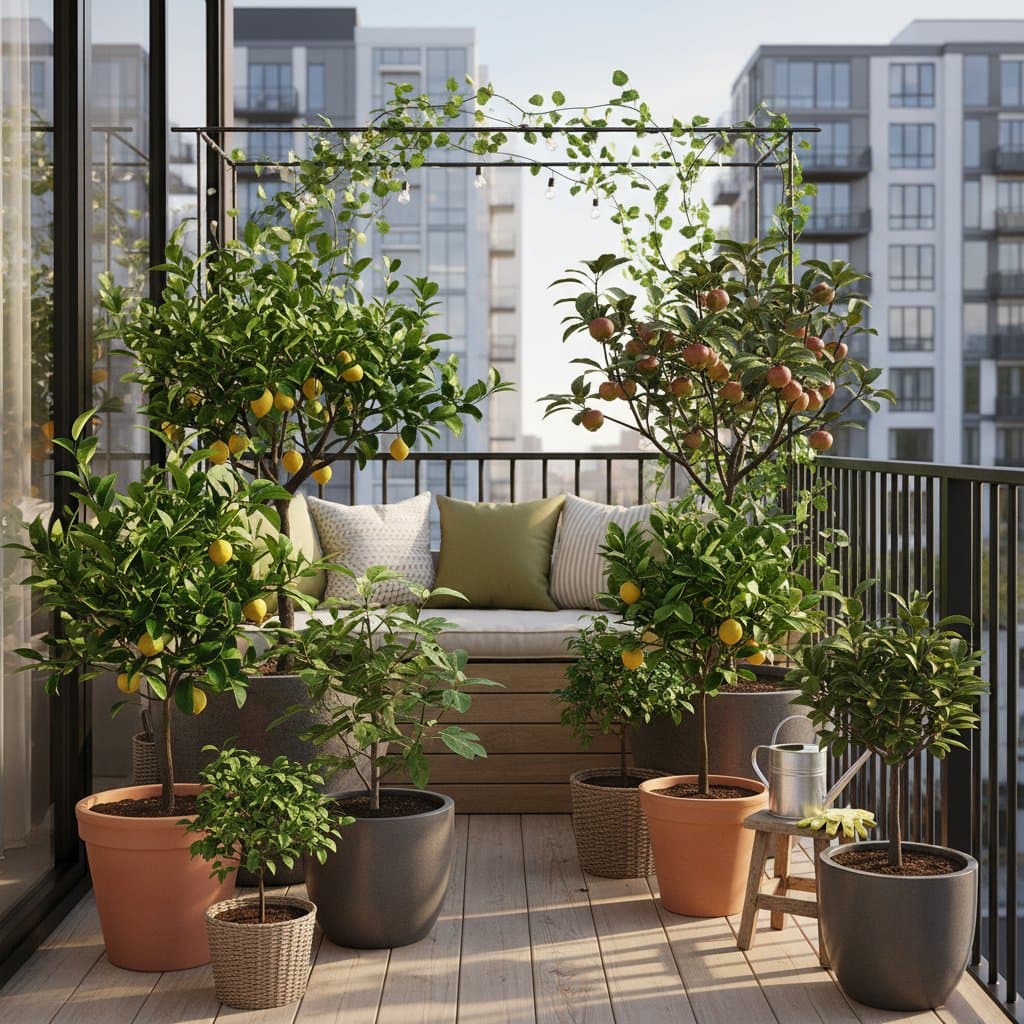
Small Balconies Yield Big Harvests with Dwarf Trees
Balconies often appear too confined for fruit trees, yet dwarf varieties make it possible to harvest apples, peaches, or citrus from just a few square feet. These compact plants create a container-based orchard that enhances outdoor areas with vibrant color and pleasant scents. The key lies in selecting trees grafted onto dwarfing rootstocks, which restrict height to 5 to 8 feet while allowing production of standard-sized fruit, albeit in smaller quantities per season.
Proper setup involves choosing durable containers, a well-draining soil blend, and positions with ample sunlight. Urban gardeners in places like New York City find these trees ideal for patios or terraces, where they deliver both aesthetic appeal and practical yields.
Selecting and Preparing Your Space
Begin by evaluating your balcony's dimensions and conditions. Identify spots that receive at least six hours of direct sunlight daily, as most fruit trees require this for optimal growth and fruiting. Consult your building management regarding weight limits, especially if placing multiple large pots, to ensure structural safety.
Next, select self-pollinating dwarf varieties suited to container life. Recommended choices include the Meyer lemon for its fragrant blooms and tangy fruit, the dwarf Honeycrisp apple for crisp harvests, or the Bonanza peach for juicy summer picks. These options demand minimal space and do not rely on nearby trees for cross-pollination.
Planting Process
-
Acquire suitable containers. Opt for pots at least 18 inches in diameter and depth, made from sturdy materials like terracotta or plastic to withstand weather exposure. Ensure each has several drainage holes to prevent waterlogging.
-
Create a drainage layer. Line the bottom with one inch of gravel or broken pottery shards. This promotes air circulation around roots and facilitates excess water runoff.
-
Prepare the soil mix. Blend a high-quality potting soil with compost at a 3:1 ratio. This combination provides nutrients, aeration, and moisture retention tailored to fruit tree needs. Fill the pot to within two inches of the rim to allow room for watering.
-
Position the tree. Place the root ball into the hole, ensuring the graft union—visible as a bulge near the base—remains one inch above the soil surface. This positioning protects the graft from rot and encourages healthy development.
-
Secure the planting. Gently firm the soil around the roots to eliminate air pockets, then water deeply until liquid drains from the bottom. This initial soak settles the medium and hydrates the plant.
-
Provide support. Insert a bamboo stake next to the trunk and secure it loosely with soft fabric ties. Such anchoring guards against wind sway, common on elevated balconies, without restricting natural movement.
-
Initiate feeding and shaping. Apply a balanced, slow-release fertilizer formulated for fruit trees every six weeks from spring through fall. In early spring, prune by removing one-third of the previous year's growth to maintain a compact form and stimulate fruit production.
Essential Safety Considerations
Handle heavy containers by bending at the knees and using your leg muscles to lift, avoiding strain on the back. Secure taller pots to balcony railings or walls using adjustable brackets or bungee cords to minimize tipping risks in gusty conditions. Maintain separation between any electrical outlets and watering areas to prevent hazards from moisture.
Common Issues and Solutions
Yellowing leaves typically indicate inadequate drainage, leading to root saturation. Elevate pots on inexpensive plastic risers or feet to enhance water flow and improve soil aeration.
Sparse flowering often results from insufficient light exposure. Address this by rotating containers weekly, ensuring all sides receive even sunlight throughout the day.
Sticky residue on leaves signals aphid infestations. Remove visible pests with a soft, damp cloth, followed by weekly applications of a solution made from one teaspoon of mild dish soap per quart of water. Rinse thoroughly after treatment to avoid residue buildup.
Time and Cost Overview
Budget approximately 60 to 100 dollars per tree, covering the plant, a suitable container, soil, and initial fertilizer. Initial setup for two trees requires about two hours of active work. Ongoing maintenance involves roughly 15 minutes weekly for tasks like checking soil moisture, light pruning, and nutrient applications.
Ongoing Care Routines
Monitor soil dryness by inserting a finger into the top inch; water deeply when it feels dry to the touch. In warm urban summers, this may mean twice- or thrice-weekly sessions, adjusting based on rainfall and temperature. Each spring, remove and replace the top two inches of soil with fresh compost to replenish nutrients and prevent compaction.
Repot trees every three years into slightly larger containers to accommodate root expansion and avoid binding, which stunts growth. During this process, trim any circling roots and refresh the entire soil volume for renewed vigor.
Building Your Balcony Orchard
Introduce one dwarf fruit tree initially to observe its specific needs, such as sunlight preferences or watering rhythm, before expanding your collection. Affix labels to each pot noting the variety and planting date for easy reference. Maintain a simple log to track care activities, including dates for watering, fertilizing, and seasonal adjustments.
Consistent attention yields a balcony alive with fresh fruit for daily enjoyment, baking, or sharing with neighbors. These trees offer cooling shade, subtle aromas, and a serene escape amid city bustle, fostering a rewarding connection to nature just beyond your threshold.