
Loading...

AI-Powered Drip Irrigation Ends Uneven Deck Garden Watering | urbanoutdoorsnyc.com | Urban Outdoors - Small-Space Gardens, Rooftop Decks, Balconies, Decks, Backyard Design
Skip to main content
Urban Outdoors
Search
Home
  1. Home
  2. /
  3. Small-Space Gardens
  4. /
  5. AI Drip Systems End Uneven Deck Garden Watering
Small-Space Gardens

AI Drip Systems End Uneven Deck Garden Watering

bySheila Spaulding
2026-02-14 04:46:07February 14, 2026
5 min read
Featured image for AI Drip Systems End Uneven Deck Garden Watering

Categories

Navigation

  • Home
  • All Articles
  • About Us
  • Privacy Policy
  • Terms of Service

© 2026 Urban Outdoors. Crafted for bold city dwellers.

2026-02-14 04:46:07
Urban Outdoors - Small-Space Gardens, Rooftop Decks, Balconies, Decks, Backyard Design

Achieving Perfect Watering for Deck Gardens with AI Drip Systems

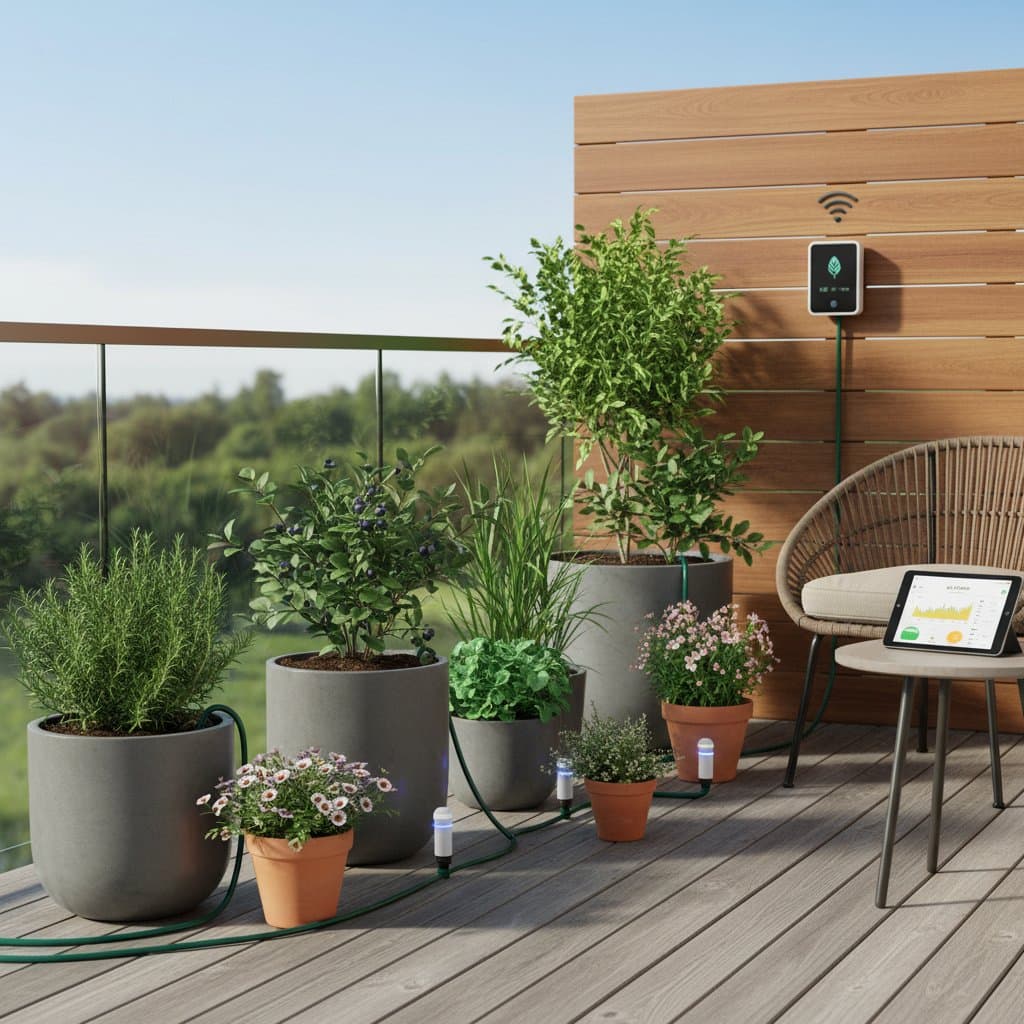
Deck gardens often suffer from inconsistent moisture levels, with potted plants drying out faster than raised beds. Manual watering proves unreliable, leading to overwatering in some areas and drought in others. AI-powered drip irrigation addresses these challenges by delivering precise, automated hydration. This approach results in healthier plants, reduced water consumption, and more leisure time for gardeners. The following guide details how to implement and maintain such a system for optimal results.

System Overview

AI drip irrigation integrates sensors, timers, and intelligent controllers to monitor and regulate water delivery. These components track soil moisture, ambient temperature, and sunlight exposure to determine ideal watering schedules and volumes. Users connect the system via a compact controller or mobile application, allowing customization based on local weather forecasts and specific plant requirements. For urban deck setups, this technology ensures uniform hydration across varied containers, minimizing evaporation and runoff. The outcome is vibrant foliage and soil that remains consistently moist without constant intervention.

Essential Tools and Materials

Begin with core components and scale up as needed. The following list covers the fundamentals for a typical deck garden:

  • A smart drip controller featuring Wi-Fi or Bluetooth connectivity for remote access
  • Moisture and temperature sensors, with a minimum of two units per eight square feet of garden space
  • Drip tubing and emitters, allocating one emitter per individual pot or plant cluster
  • A backflow preventer and inline filter to protect against contaminants and clogs
  • Mounting clips or zip ties for securing tubing along railings and deck surfaces
  • A compatible smartphone or tablet for initial configuration and ongoing oversight

Consider enhancements such as a rain sensor to pause operations during precipitation, a solar-powered controller for energy efficiency, or a flow meter to monitor overall usage and detect leaks.

Installation Steps

1. Design the Layout

Sketch the positions of all pots, planters, and garden beds on your deck. Group vegetation by hydration demands, such as drought-tolerant succulents versus water-loving herbs. Select a central hub near the nearest outdoor water source to minimize tubing length. Limit each line to under 25 feet to preserve adequate pressure throughout the network.

2. Assemble the Tubing Network

Secure the backflow preventer and filter directly to the faucet outlet. Attach the primary drip line and route it systematically across the deck. Fasten the tubing with clips positioned every two feet for stability. Branch off shorter lines to individual containers and install emitters aimed at the plant bases. Verify that the setup avoids low-hanging or obstructive placements.

3. Position the Sensors

Embed moisture sensors midway between the pot rim and the estimated root zone for precise readings. In larger planters, distribute sensors at the corners and center to capture variations. Orient them vertically and press firmly into the soil to ensure consistent contact. This placement allows the system to detect subtle changes in hydration levels accurately.

4. Integrate the Smart Controller

Use the accompanying application to connect the controller to your home Wi-Fi network. Sync the sensors and designate zones for different garden sections. Input details on plant varieties, such as tomatoes, basil, or ornamental flowers, to inform the AI algorithms. Over the initial days, the system analyzes patterns and refines its operations autonomously.

5. Test and Adjust the System

Initiate a manual watering cycle lasting 10 minutes to evaluate performance. Observe each emitter for uniform output, ideally one drop per second. Clear any blockages and replace faulty units as necessary. Allow two full automated cycles for data collection before transitioning to hands-off mode, monitoring for any initial discrepancies.

Safety Considerations

Position all electrical components in shaded, dry locations to prevent moisture damage. Employ waterproof seals on sensor wiring and connections. Anchor tubing securely to avoid tripping hazards over high-traffic deck areas. Always shut off the water supply prior to modifying fittings, thereby avoiding sudden pressure releases or spills.

Common Troubleshooting Solutions

Excessive soil wetness signals overwatering; decrease the frequency via the app or reposition sensors deeper in drier zones. Persistent dryness in pots may require an additional emitter or inspection for tubing obstructions. Wi-Fi interruptions call for relocating the controller nearer to the router or installing a signal extender.

Frequent cycling often indicates a need for recalibration. Activate the AI reset function in the app and permit fresh data accumulation over several days. Regularly review logs to identify trends, such as seasonal adjustments for humidity shifts.

Cost and Time Investment

A standard setup for a medium-sized deck typically ranges from $120 to $250. The controller and sensors account for the majority of expenses, while tubing and emitters remain affordable at under $40. Initial installation requires approximately three hours, depending on deck complexity. Ongoing maintenance involves brief checks, ensuring long-term efficiency with minimal effort.

Ongoing Maintenance Practices

Inspect and clean the filter biweekly to maintain flow rates. Flush the main line monthly to remove sediment buildup. Promptly replace any emitters showing irregular drips. Verify sensor depths remain unchanged after rain or disturbances. Apply firmware updates as prompted by the app to incorporate performance improvements and security enhancements. These routines sustain the system's precision and reliability.

Efficient Storage and Organization

Keep reserve fittings, tubing segments, and basic tools like a small wrench in a sealed, weatherproof container adjacent to the deck. Tag all zone wires and sensor leads with adhesive labels for quick identification. Record the app login credentials in a secure household log to facilitate access during updates or recoveries.

Professional Assistance Options

For installations exceeding five zones or involving extensive raised beds, consult a specialist to optimize pressure distribution. Request a detailed schematic of the layout and a walkthrough of app features to build confidence in management.

Advancing Your Deck Garden

Commence with a single controller and select sensors to establish baseline stability. Monitor moisture metrics weekly and tweak emitter outputs for refinement. Gradually incorporate additional zones as the system proves effective. This progression eliminates the clutter of traditional hoses, fostering a serene, low-maintenance outdoor retreat where plants flourish independently.

You Might Also Like

AI Sensors That Learn When Your Balcony Plants Need Water

Solar Drip Systems Water 20 Pots With No Effort

Smart Irrigation Systems for Hands-Free Balcony Care

AI Drip Systems Cut Balcony Watering to Zero Effort

AI Sensors Text Care Reminders to Your Balcony Plants

Tagged:

smart irrigation,gardening,smart,automated,irrigation,watering,automated-watering,ai-gardening

Recent by Sheila Spaulding

Image for Transparent Solar Panels Keep Decks Bright While Cutting Energy Bills

Transparent Solar Panels Keep Decks Bright While Cutting Energy Bills

Feb 14, 2026
Image for Shade Sails Drop Deck Temps 20° Without Electricity

Shade Sails Drop Deck Temps 20° Without Electricity

Feb 13, 2026
Image for Acoustic Panels Cut Deck Noise by 30 to 50 Percent

Acoustic Panels Cut Deck Noise by 30 to 50 Percent

Feb 13, 2026
Image for Pergolas That Fit Balconies Under Six Feet Wide

Pergolas That Fit Balconies Under Six Feet Wide

Feb 11, 2026
Image for Acoustic Panels Cut Balcony Noise Without Soundproofing

Acoustic Panels Cut Balcony Noise Without Soundproofing

Feb 10, 2026

smart irrigation

Image for AI Drip Systems Cut Balcony Watering to Zero Effort

AI Drip Systems Cut Balcony Watering to Zero Effort

Feb 9, 2026
Image for AI Cameras Cut Balcony Watering to Zero Daily Checks

AI Cameras Cut Balcony Watering to Zero Daily Checks

Jan 7, 2026
Image for Smart Drip Systems Cut Balcony Watering by Half

Small-Space Gardens

AI Drip Systems End Uneven Deck Garden Watering

Elevate your deck garden with AI-powered drip irrigation that maintains ideal soil moisture through sensors, intelligent controls, and adaptive algorithms. This guide covers planning, setup, and optimization for a hassle-free, eco-friendly watering solution tailored to urban outdoor spaces.

Feb 14, 2026

Dwarf Fruit Trees Bring Fresh Harvest to Your Balcony

Transform your balcony into a productive mini orchard using dwarf fruit trees. Select suitable varieties, containers, and soil mixtures, and follow guidance on pruning, watering, and seasonal maintenance. Harvest pesticide-free fruit, gain lush greenery, and create a serene urban oasis.

Feb 12, 2026

Pergolas That Fit Balconies Under Six Feet Wide

Turn a narrow balcony into a private outdoor haven with a compact pergola under six feet wide. This guide covers planning essentials, step-by-step construction, material choices, safety measures, budget considerations, and maintenance strategies to create a functional shaded retreat in urban environments.

Categories

Deck Construction & Remodeling(174)
Balcony Design(158)
Small-Space Gardens(68)
Rooftop Decks(56)
Backyard Design(19)

Smart Drip Systems Cut Balcony Watering by Half

Dec 24, 2025
Image for Smart Irrigation Cuts Deck Garden Watering by 30 Percent

Smart Irrigation Cuts Deck Garden Watering by 30 Percent

Dec 20, 2025
Image for AI Drip Systems Cut Balcony Watering by Half

AI Drip Systems Cut Balcony Watering by Half

Nov 29, 2025
Feb 11, 2026

AI Sensors Text Care Reminders to Your Balcony Plants

Struggling to keep balcony plants healthy in the city? AI-powered sensors eliminate guesswork by monitoring key conditions like soil moisture, light exposure, and humidity. These devices send direct text reminders to your phone, guiding you toward optimal care and vibrant growth year-round.

Feb 9, 2026

AI Plant Walls Cut Daily Watering to 10 Minutes a Week

Convert urban walls into thriving, self-sustaining gardens using AI plant walls. These innovative systems manage irrigation, lighting, and nutrients automatically, delivering lush foliage with minimal effort while boosting indoor air purity and aesthetic appeal.

Feb 7, 2026

Watering 50+ Pots From a Single Faucet

Convert your balcony's potted plants into a low-maintenance green haven using a micro-drip irrigation system. This practical guide details automatic watering for more than 50 pots, eliminating daily tasks while ensuring optimal hydration. Explore essential tools, installation from testing to timing, plus solutions for common issues and upkeep strategies for sustained success.

Feb 2, 2026

Grow 30 Plants in 2 Feet Using Nutrient Mist

Transform a narrow balcony into a productive aeroponic farm by 2026. These soil-free towers support up to 30 plants with efficient nutrient mist, delivering year-round greens while minimizing water use, space demands, and maintenance.

Feb 1, 2026

Simple Drip Systems That Water While You Work

Elevate your urban balcony garden with a simple, app-free micro drip irrigation system. This practical guide covers tools, installation steps, troubleshooting, and maintenance to ensure reliable watering and vibrant plants, even during busy schedules.

Jan 31, 2026

How Urban Gardens Cut City Noise by 70%

Convert your bustling urban garden into a tranquil haven using layered vegetation and sound-dampening materials. This comprehensive guide details how evergreens, grasses, mulch, and permeable surfaces can diminish noise by up to 70 percent, fostering a soothing space that filters out urban clamor while enhancing natural serenity.

Jan 31, 2026

Living Sound Filters for City Apartments

Convert urban clamor into tranquility using acoustic plants as living sound barriers. This guide details optimal plant selection, strategic placement, and upkeep for effective noise reduction in tight city dwellings. Affordable and aesthetically pleasing, these green solutions deliver enduring calm without major alterations.

Jan 30, 2026

Mini Bog Gardens Bring Wetland Habitats to Balconies

Turn a standard balcony into a vibrant mini bog garden that mimics natural wetlands. Assemble a self-sustaining system with layered substrates, precise watering techniques, and native plants to foster biodiversity and create an engaging urban green space.

Jan 28, 2026

Why Shade Apps Unlock Perfect Balcony Gardens

Elevate your balcony garden using shade apps to precisely map sunlight exposure. Gain insights on plant selection for specific light zones, easy scanning techniques, and cost-effective tools. Uncover strategies for seasonal adjustments to cultivate a vibrant, sustainable urban oasis.

Jan 28, 2026

Microclimate Pods Extend Growing Season on Balconies

Turn your balcony or rooftop into a productive garden that defies seasonal limits with microclimate pods. These innovative enclosures maintain optimal warmth, humidity, and airflow. Follow this comprehensive guide for construction, plant selection, safety measures, and ongoing care to harvest greens and herbs throughout the year.

Jan 26, 2026

Three Square Feet of Balcony That Feeds Urban Bees

In the heart of urban living, three square feet of balcony can become a thriving haven for bees. This guide details plant selections, container arrangements, and maintenance practices to attract pollinators throughout the year. With modest investment and simple routines, your compact space contributes to healthier ecosystems and serene outdoor moments.

Jan 25, 2026

Aeroponic Towers Fit Full Veggie Gardens in 4 Feet

Convert a compact balcony into a productive, soil-free vegetable garden using aeroponic towers. This detailed guide covers planning, assembly, and maintenance for a lightweight system that delivers abundant yields while fitting urban constraints like limited space and sunlight.

Jan 24, 2026

Balcony Microclimates That Triple Your Harvest

Transform your balcony garden by identifying and leveraging microclimates—warm pockets, windy perimeters, and shaded retreats—that influence plant success. Map exposure to light, air, and temperature; assign suitable crops to zones; and adapt seasonally for a bountiful, year-round harvest in compact settings.

Jan 23, 2026

Balcony Mushroom Farms That Pay for Themselves

Transform your shaded balcony into a profitable mushroom farm producing gourmet varieties like oyster and shiitake. This guide covers setup, maintenance, harvesting, and sales strategies to generate steady income from urban space with minimal effort.

Jan 21, 2026

Acoustic Walls Cut Neighbor Noise Without Renovating

Achieve tranquility in bustling urban environments through acoustic walls, strategic sealing, and sound-absorbing plants. This guide provides practical installation steps, affordable material recommendations, and maintenance tips to create a serene home without extensive renovations.

Jan 18, 2026

Plants Cut City Noise With Layers and Smart Placement

Convert urban balconies or courtyards into tranquil refuges with sound-absorbing plants. Discover layering techniques featuring bamboo, evergreens, and grasses to diffuse noise, plus essential tips on selection, positioning, care, and affordability for compact green spaces.

Jan 17, 2026

Turn Your Balcony Into a Pollinator Stopover

Convert your balcony into a vibrant pollinator habitat that draws in bees, butterflies, and hummingbirds. Employ native plants, fresh water sources, and basic containers to promote urban biodiversity, improve air quality, and establish a serene green oasis, all achievable for less than seventy dollars with minimal weekly maintenance.

Jan 17, 2026