
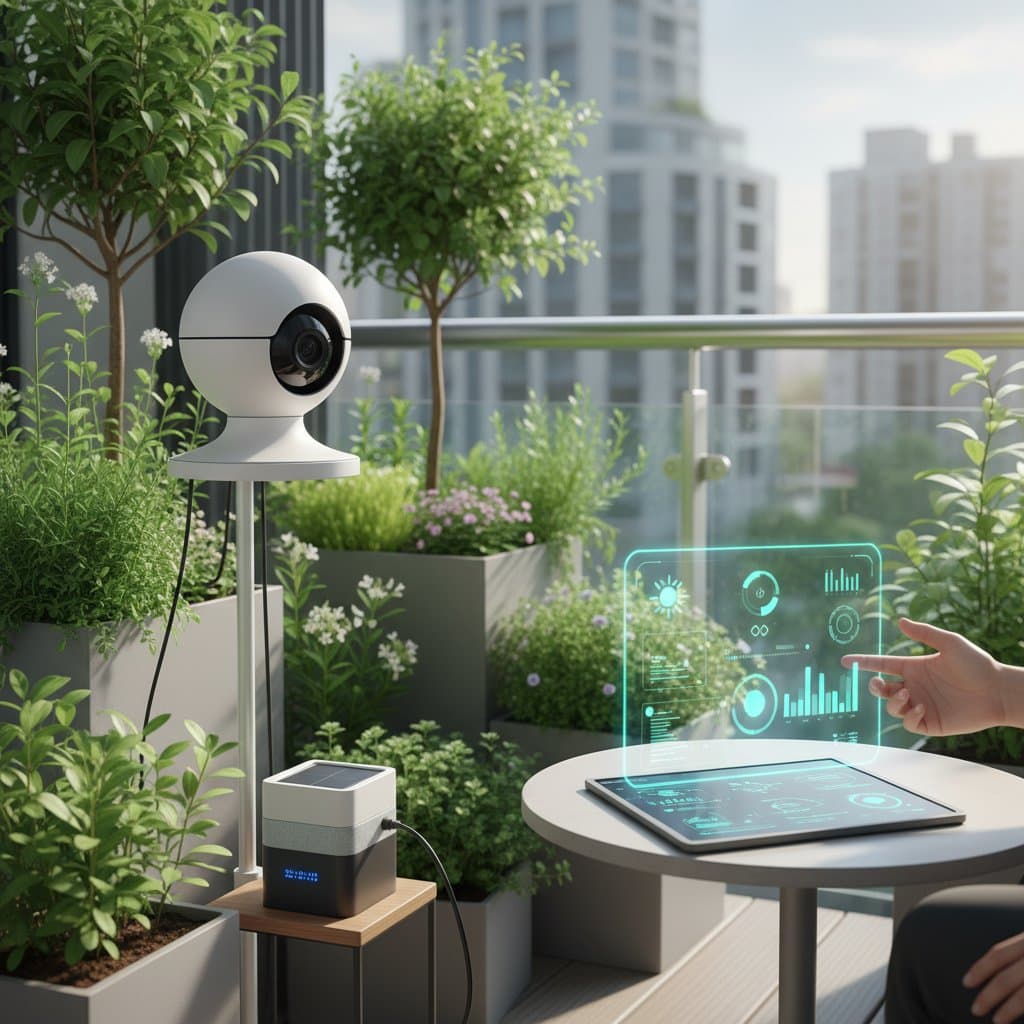
Introduction to AI-Powered Balcony Gardening
Balcony gardens offer urban dwellers a touch of nature, but consistent watering presents a challenge, especially for busy schedules or travel. AI cameras address this by monitoring plants in real time and automating irrigation. These systems use computer vision to assess soil moisture, sunlight exposure, and plant vitality, ensuring precise water delivery without daily intervention.
Benefits extend beyond convenience. Users report healthier plants due to optimized hydration, reduced water usage by up to 30 percent, and peace of mind during absences. This guide covers selection, installation, and ongoing management to help you establish a reliable setup.
Selecting the Right AI Camera System
Evaluate systems based on balcony size, plant variety, and integration needs. Look for cameras with high-resolution imaging, weatherproofing rated IP65 or higher, and compatibility with standard smart home platforms. Popular features include soil moisture estimation via image analysis, automated pump control, and mobile app notifications.
Consider capacity: Basic models handle four to six pots, while advanced units support larger arrays with multiple zones. Battery-operated options suit balconies without outlets, though solar variants provide longer runtime. Read user reviews for accuracy in low-light conditions, as urban shadows can affect readings.
Step 1: Gather Essential Materials
Assemble components before starting. You will need an AI garden camera, a submersible pump with adjustable flow, drip irrigation tubing (1/4-inch diameter), connectors, and a water reservoir of at least five gallons. Include stakes or clips to secure tubing along railings and pots.
Choose pots with built-in drainage to prevent root rot. For the app, download the manufacturer's software ahead of time to verify compatibility with your phone's operating system. A multimeter helps test electrical connections if your setup involves wiring.
Step 2: Position the Camera Strategically
Mount the camera at eye level or slightly above, overlooking all pots for a clear view. Secure it to a railing or wall using provided brackets, ensuring it faces south for optimal light capture if possible. Avoid direct rain exposure by placing under an overhang, though most models withstand light moisture.
Test the field of view by previewing through the app. The lens should capture soil surfaces without obstruction from leaves or furniture. If glare from glass doors interferes, angle the camera downward by 10 to 15 degrees.
Step 3: Assemble the Watering Components
Connect the pump to the reservoir base and attach tubing to the outlet. Run lines to each pot, installing T-joint connectors for even distribution. Place emitters at the soil base, one per pot for small containers or two for larger ones.
Secure all connections with clamps to prevent leaks. Fill the reservoir with room-temperature water to avoid shocking roots. Position the pump submerged but elevated on a platform to draw from the bottom, minimizing sediment intake.
Step 4: Calibrate the System
Launch the companion app and complete the pairing process. Connect to your Wi-Fi network, input details on plant species such as tomatoes or herbs, and specify watering schedules based on local climate. The camera captures baseline images to analyze leaf hues and soil patterns, enabling accurate thirst detection.
During calibration, the system runs diagnostic scans. Adjust sensitivity for balcony microclimates, like wind-dried pots near edges. This initial setup establishes algorithms that adapt over time to your garden's unique conditions.
Step 5: Test and Observe
Initiate a manual irrigation cycle through the app and monitor water dispersion across pots. Modify emitter positions or pump rates if coverage varies. Allow the system to operate for three to five days, reviewing logged data on moisture levels and light hours.
Observe plant responses daily. Healthy foliage shows firm leaves and vibrant color; adjust thresholds if wilting occurs prematurely. This observation period refines automation, ensuring the setup matches your plants' needs without overwatering.
Safety Tips
Position electrical components at least six inches above potential water levels to mitigate splash risks. Select tubing made from UV-stabilized materials to resist sun degradation over seasons. Disconnect power sources before any maintenance to eliminate activation hazards.
Avoid directing water streams toward the camera lens or wiring junctions. For reservoir systems, perform biweekly cleanings to eliminate algae growth, using a diluted bleach solution followed by thorough rinsing. Approach the installation with the caution applied to household appliances in damp environments.
Troubleshooting Common Issues
Problem: Cloudy or distorted camera images.
Solution: Gently clean the lens using a microfiber cloth and neutral soap solution. If moisture builds inside the housing, remove the cover and dry it in a warm, ventilated area for several hours.
Problem: Uneven watering, with some pots remaining dry.
Solution: Extend or replace tubing to far-reaching pots and install flow-regulating drippers. Flush the lines with clean water to clear blockages or bends.
Problem: App connectivity failures or data gaps.
Solution: Relocate the Wi-Fi router for stronger signal or add an outdoor extender. Aim for at least 70 percent signal strength, as weaker connections cause intermittent drops.
Problem: Excessive pump operation.
Solution: Review and raise moisture trigger levels in the app settings. Recalibrate sensors or shift the camera to minimize reflective sunlight that mimics dryness.
Problem: Rapid reservoir depletion.
Solution: Examine joints for drips and verify image interpretations exclude misleading light reflections. Reduce cycle frequency to every other day for established plants.
Budget and Time Considerations
Expect costs from $150 to $400 for a complete kit, varying by features and scale. Entry-level packages include one camera, pump, and supplies for up to 10 pots; add-ons expand coverage affordably.
Assembly requires approximately two hours, encompassing positioning and initial tests. Ongoing care involves 10 minutes weekly for inspections and refills. Opt for solar pumps to eliminate electricity bills, noting occasional battery replacements every six months.
Cost-Saving Alternatives:
- Repurpose a clean, food-safe container as the reservoir.
- Source standard irrigation hoses from local suppliers instead of branded lines.
- Defer aesthetic additions like covers until functionality proves solid.
Prioritize investments in sealed wiring and protective fuses to safeguard against weather-induced faults.
Maintenance Routine
Conduct full inspections monthly to sustain performance.
- Clean the camera lens with a soft, dry cloth.
- Examine hoses for wear or deposits.
- Soak emitters in a vinegar-water mix for 10 minutes to dissolve minerals.
- Drain and scrub the water tank.
- Analyze app logs for shifts in environmental patterns.
Yellowing leaves or tip burn often signal nutrient deficiencies rather than hydration issues. Supplement with balanced fertilizer applications every two to three weeks. In winter, dismantle and store components indoors, purging lines of residual moisture to prevent ice expansion damage.
Efficient Storage Practices
Organize replacement parts in a dedicated container by the entryway, stocking emitters, hose segments, and spare fittings. Tag plant profiles within the app for quick reference during diagnostics.
Frequent travelers benefit from linking the garden feed to broader security systems. Many platforms sync with home automation centers, consolidating views of property and foliage in a single interface.
Professional Assistance Options
Seek expert help for balconies without power access or requiring custom water lines. A certified plumber installs a frost-proof faucet with anti-backflow valves in under an hour, costing $120 to $200 including materials.
Professionals ensure compliance with building codes, particularly in high-rises where modifications affect shared utilities.
Implementing Your Automated Garden
With these steps, your balcony transforms into a resilient green space. AI cameras deliver consistent care, fostering lush growth amid city life. Start small, scale as confidence builds, and enjoy the rewards of effortless horticulture.