
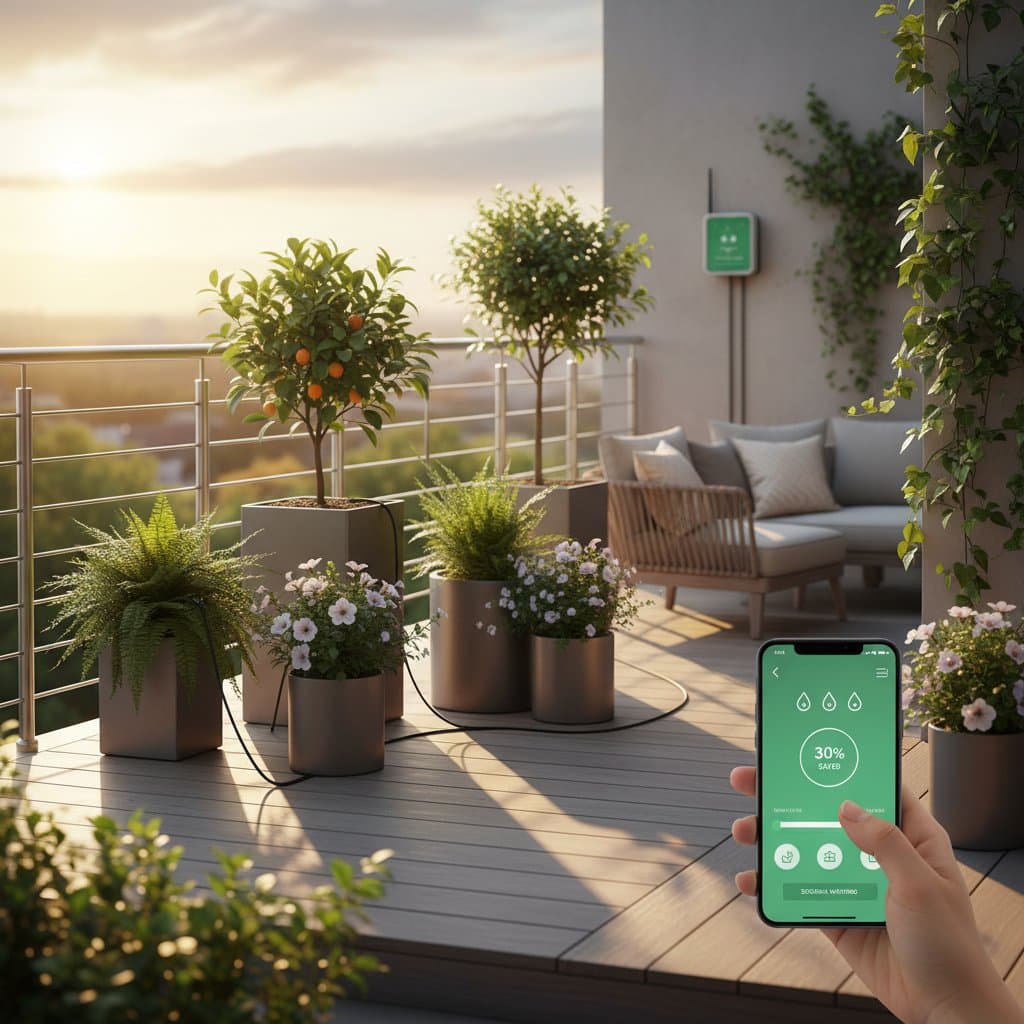
Manage Deck Garden Watering Remotely with Smart Technology
A deck garden offers a serene escape in urban settings, yet manual watering often disrupts that peace. Smart irrigation systems address this by automating the process, allowing remote control through a smartphone application. These setups deliver precise water amounts, reducing overall usage by up to 30 percent while ensuring plants receive optimal hydration.
This article explains the essentials of smart irrigation, including system selection, installation procedures, and ongoing maintenance. Readers gain practical knowledge to implement a reliable setup tailored to deck constraints, resulting in healthier greenery and less daily involvement.
Essential Components and Tools
Preparation involves assembling all necessary items to avoid interruptions during setup. Many smart irrigation systems arrive as complete kits, though custom adjustments for deck configurations may require additional purchases.
Key Components:
- Smart controller with integrated power adapter for app connectivity
- Wi-Fi or Bluetooth hub for stable remote access, if not built into the controller
- Primary supply hose, typically 25 to 50 feet (7.6 to 15.2 meters) in length
- Drip tubing paired with micro-emitters for targeted watering
- Hose splitter equipped with individual shutoff valves
- Backflow preventer to safeguard household water lines
- Pressure regulator to maintain consistent flow
- Timer-compatible connectors for scheduling flexibility
- Mounting clips or zip ties for secure installation
- Soil moisture sensor to optimize watering cycles (recommended for efficiency)
Required Tools:
- Scissors or specialized tubing cutter for clean cuts
- Small screwdriver for securing connections
- Bucket to check for leaks during testing
- Tape measure for accurate layout planning
- Smartphone loaded with the manufacturer's irrigation app
Select components based on deck size and plant variety. For instance, herbs demand finer emitters than larger shrubs, ensuring even distribution without oversaturation.
Prioritizing Safety in Installation
Safety forms the foundation of any deck irrigation project, preventing accidents and equipment damage. Position the smart controller and its power cord away from moisture-prone areas to eliminate electrical risks. Install a backflow preventer at the water source connection to avoid contaminating potable supplies.
Regulate water pressure to 20-25 psi, as excessive force can rupture tubing or dislodge fittings. Anchor all hoses and lines along deck edges with tape or clips to minimize tripping hazards, particularly in high-traffic zones. Conduct a full system test post-installation, inspecting joints for leaks and confirming app responsiveness before regular use.
Estimating Costs and Installation Timeline
Budgeting helps align expectations with reality for a worthwhile investment. Entry-level kits covering 25 feet (7.6 meters) of tubing begin at approximately 80 dollars, while advanced options with moisture sensors and enhanced app features range from 120 to 200 dollars. Installation for a modest deck supporting 8 to 10 planters requires about two hours; expansive designs might extend to a half-day commitment.
Primary expenses stem from the controller's sophistication and emitter quantity. Invest in durable pressure regulators and backflow preventers, as inferior models lead to premature failures and higher long-term costs. Opt for bulk purchases of tubing and emitters to economize, avoiding the premium of pre-assembled kits unless convenience outweighs savings.
Adapting to Seasonal Changes
Seasonal adjustments preserve system integrity and plant vitality throughout the year. In spring, flush all lines to clear debris accumulated during storage, replacing any cracked tubing. Update schedules to account for warming temperatures, increasing frequency as growth accelerates.
During summer, monitor for uneven moisture, as heat may cause minor tubing contraction; retighten connections accordingly. Shift watering to early morning or late evening hours to curb evaporation losses. In fall, reduce cycle durations to match decelerating plant metabolism, capping idle lines after removing annual species to deter clogs.
Winter demands complete drainage to avert freeze damage; disassemble and store parts indoors in a dry location. Coil hoses loosely to prevent creases, ensuring readiness for the following season.
Organizing Storage for Efficiency
Effective storage extends equipment lifespan and simplifies reactivation. Designate a labeled bin for reserves like extra emitters, connectors, and clips; a 6-quart clear container slides neatly beneath a bench or shelf. Keep tools such as scissors and cutters in a dedicated pouch for quick access.
Secure the controller's cord with a twist tie during downtime, protecting it from tangles. This methodical approach reduces setup hassles when spring arrives, maintaining smooth operations year after year.
Scenarios Requiring Professional Assistance
Certain deck configurations benefit from expert intervention to ensure compliance and safety. Engage a professional for setups near built-in electrical or lighting elements, where tubing must navigate wiring without interference. Specialists provide weatherproof outlet mounting and secure routing.
Seek help for systems exceeding three zones or involving multi-level decks, which complicate pressure management and valve placement. Request a detailed plan outlining valve positions, pressure specifications, and sensor settings. Professional fees typically fall between 150 and 300 dollars, scaled to project complexity.
Implementing Your Deck Irrigation Plan
Begin by measuring deck dimensions and categorizing plants according to hydration requirements, such as grouping drought-tolerant species separately. Select a kit aligned with your planter count, prioritizing app compatibility for seamless control.
Allocate a free afternoon for assembly, following manufacturer guidelines step by step. After connecting to your network, run comprehensive tests via the app, configuring alerts for moisture levels or missed cycles.
Within one week, the system operates autonomously, fostering robust root development and vibrant foliage. This automation not only conserves water but also enhances your deck's appeal, allowing undivided attention to leisure activities amid thriving greenery.