
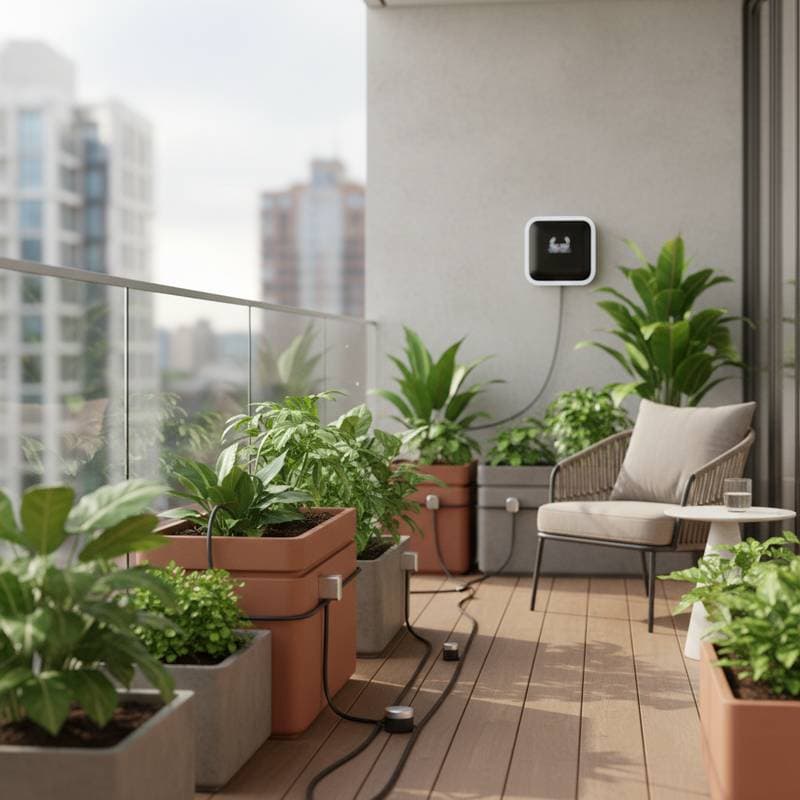
AI Micro-Drip Systems Remove Uncertainty from Balcony Gardening
A small balcony offers a pocket of calm amid city surroundings. Yet maintaining plants in confined areas often leads to inconsistent results. One missed watering leaves soil parched. Excess moisture causes root decay. AI micro-drip automation eliminates these variables through sensors, narrow tubing, and an intelligent controller that supplies water at precise intervals and volumes.
This approach reduces daily intervention while supporting plant health despite limited light or strong winds. The following sections cover system fundamentals, required components, safe installation practices, cost expectations, and seasonal adjustments.
Required Components and Materials
Assemble the setup using widely available items from garden retailers or smart-home suppliers. Focus first on the essential parts that form the core of any reliable installation.
- AI controller equipped for Wi-Fi or Bluetooth connectivity
- Moisture sensors sized for a minimum of three containers
- Micro-drip tubing measuring one-quarter inch in diameter
- Emitters rated between one-half and one gallon per hour
- Connectors together with stakes for secure placement
- Adapter compatible with a standard spigot or reservoir
- Power source such as a plug-in supply or battery pack
Additional modules such as a light sensor, rain detector, or fertilizer injector can extend functionality. Keep scissors, a tape measure, and a test bucket on hand during assembly.
Installation Safety Practices
Position electrical components away from direct water exposure at every step. When connecting to a faucet, include a pressure regulator designed for drip irrigation to prevent line stress. Fasten all tubing along surfaces or railings to avoid trip hazards. Mark each wire and tube clearly for future reference. Examine fittings each month for wear or seepage.
Separate water lines from power connections through sealed enclosures or elevated mounting. These measures maintain safe operation in exposed outdoor settings.
Cost Expectations and Time Investment
A basic configuration for five to eight containers ranges from 90 to 200 dollars. Models that incorporate app-based learning command higher prices, while simpler timer units remain more economical. Assembly for a typical balcony requires two to three hours. Weekly upkeep averages fifteen minutes and consists of visual checks plus filter cleaning.
Substitute recycled vessels for water storage or repurpose sound tubing from prior systems to lower expense. Retain quality on the controller and sensors, because these elements govern long-term consistency.
Adjustments Across Seasons
Balcony conditions change with temperature, light, and precipitation. The automation adapts schedules, yet periodic observation ensures continued accuracy.
In spring, activate the system once daytime warmth returns. Add sensors when introducing new plants and verify emitter function after winter storage. During summer, increase inspection frequency and shield sensors from reflected heat that can distort readings. In autumn, lower watering intervals as daylight decreases and prepare reservoirs for possible freezing. In winter, disconnect tubing for indoor plant relocation, then dry and store sensors properly.
Situations That Warrant Professional Assistance
Most compact balcony systems lend themselves to straightforward self-installation. Seek expert support when a permanent faucet modification is necessary, when no outdoor electrical outlet exists nearby, or when building drainage regulations apply to shared structures.
Begin with a Single Test Zone
Measure the balcony dimensions and note the number of planters in use. Select one controller model matched to the available water source. Dedicate a weekend block of two hours to assemble and activate an initial section. This measured start delivers reliable moisture delivery, reduces plant loss, and frees time for enjoyment of the resulting greenery.