
Loading...

Aeroponic Towers for Compact Veggie Gardens in 4 Ft | urbanoutdoorsnyc.com | Urban Outdoors - Small-Space Gardens, Rooftop Decks, Balconies, Decks, Backyard Design
Skip to main content
Urban Outdoors
Search
Home
  1. Home
  2. /
  3. Small-Space Gardens
  4. /
  5. Aeroponic Towers Fit Full Veggie Gardens in 4 Feet
Small-Space Gardens

Aeroponic Towers Fit Full Veggie Gardens in 4 Feet

bySheila Spaulding
2026-01-24 04:20:22January 24, 2026
6 min read
Featured image for Aeroponic Towers Fit Full Veggie Gardens in 4 Feet

Categories

Navigation

  • Home
  • All Articles
  • About Us
  • Privacy Policy
  • Terms of Service

© 2026 Urban Outdoors. Crafted for bold city dwellers.

2026-01-24 04:20:22
Urban Outdoors - Small-Space Gardens, Rooftop Decks, Balconies, Decks, Backyard Design

How Aeroponic Towers Maximize Vegetable Gardens in Just 4 Feet

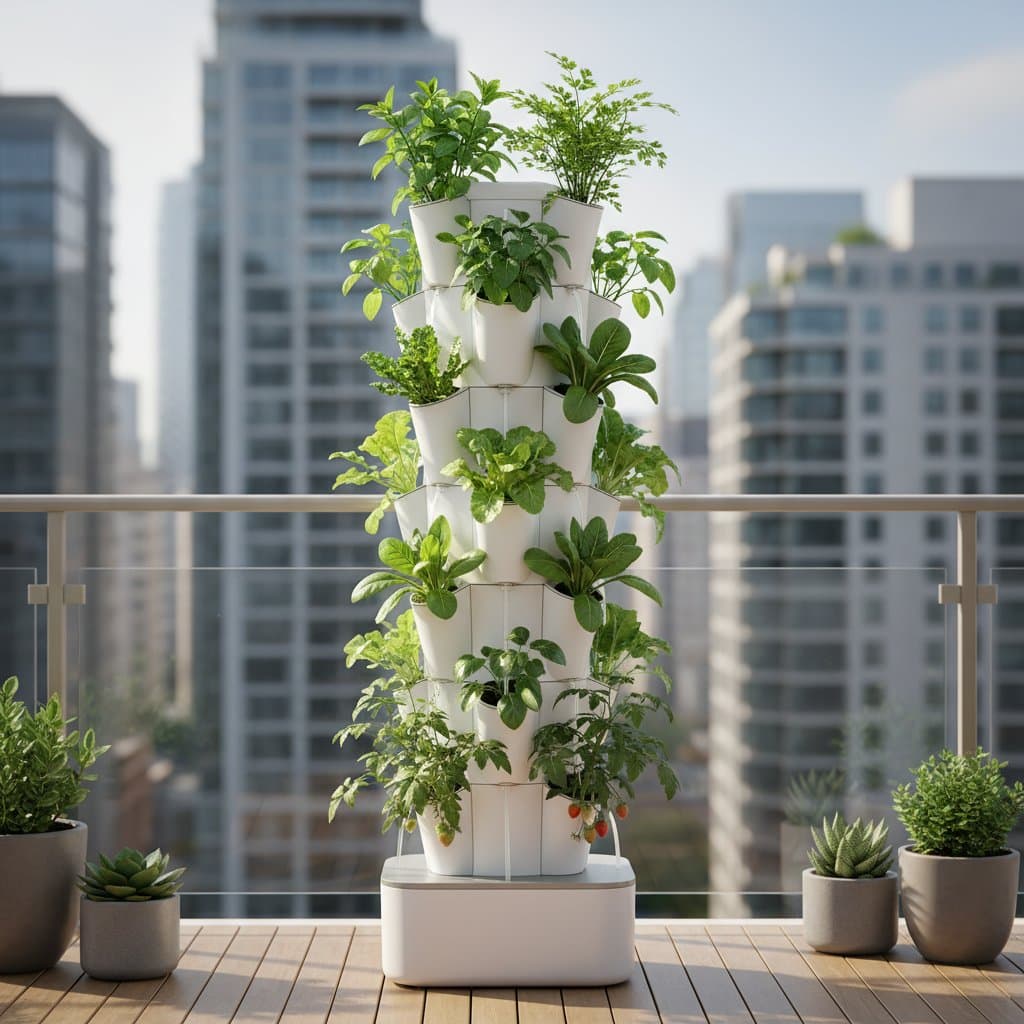
Small urban spaces present unique challenges for gardening enthusiasts. Balconies often measure no more than a few feet across, yet the desire for fresh, homegrown vegetables remains strong. Aeroponics offers a solution by suspending plant roots in air and delivering nutrients through a fine mist, eliminating the need for soil and bulky containers.

This method allows cultivation of a variety of crops, from leafy greens to fruiting plants, in a vertical footprint as narrow as four feet. The result is a clean, efficient system that integrates seamlessly into city living. Readers will gain step-by-step insights into establishing and sustaining such a garden.

Planning Your Aeroponic Balcony Garden

Assess your balcony's dimensions and conditions before purchasing equipment. Measure the available width, height, and depth to ensure the tower fits without obstructing access or views. Consider sunlight exposure; most balconies receive four to six hours of direct light daily, which suffices for many aeroponic crops.

Select plants based on your preferences and growth cycles. Leafy options like lettuce and spinach mature quickly, while tomatoes and peppers require more vertical space. Plan for 10 to 20 plants per tower to achieve a balanced harvest. Sketch a simple layout to visualize placement and airflow around the structure.

Account for local climate variations. In temperate zones, aeroponics excels by maintaining consistent moisture levels, but adjustments for temperature extremes prove essential. This planning phase ensures the garden aligns with your daily routine and long-term goals.

Essential Tools and Materials

Gather components designed for durability in outdoor environments. Opt for systems constructed from UV-resistant plastics or stainless steel to withstand weather exposure. A complete kit simplifies the process for beginners.

Core Supplies:

  • Aeroponic tower or modular bucket system equipped with an integrated misting pump
  • Submersible water pump capable of circulating 50 to 100 gallons per hour
  • Digital timer for automating misting cycles, set to 5 minutes on and 15 minutes off
  • Hydroponic nutrient solution formulated for vegetables, diluted according to package instructions
  • pH testing kit and adjustment solutions to maintain levels between 5.5 and 6.5
  • Weatherproof power strip with built-in surge protection
  • 2-inch net pots or mesh cups, quantity of 12 to 24 depending on tower capacity
  • Starter seedlings or germinated seeds for immediate planting
  • Measuring tools, including a cup and funnel for precise mixing
  • Access to clean, filtered water for reservoir filling

Recommended Additions:

  • Compact LED grow light for supplementing low-light conditions
  • Oscillating clip-on fan to promote air circulation and prevent mold
  • Drip-catching tray or absorbent mat to manage condensation

Basic maintenance tools include pruning shears, an adjustable wrench for fittings, and a nylon brush for residue removal. Source these from garden supply stores or online retailers specializing in hydroponics.

Prioritizing Safety in Setup

Integrate safety measures from the outset to protect both the system and users. Electrical components demand careful handling near water sources. Employ a ground-fault circuit interrupter outlet and elevate all wiring above potential splash zones.

Evaluate the balcony's load-bearing capacity. A standard four-foot tower, filled with nutrient solution, weighs approximately 45 pounds when operational. Consult building guidelines or a structural engineer if the space supports heavy furniture or multiple units.

Establish a rigorous cleaning protocol to inhibit bacterial growth. Disassemble the tower monthly, flush lines with a diluted vinegar solution, and scrub reservoirs thoroughly. Always wear protective gloves during nutrient handling and store chemicals securely away from living areas.

Monitor for stability issues, especially in high-wind areas. Secure the base with non-slip pads and test the setup by gently rocking the structure. These precautions minimize risks and extend the system's lifespan.

Managing Costs and Time Investment

Initial outlay for a basic aeroponic setup ranges from 120 to 180 dollars, covering the tower, pump, and essentials. Ongoing expenses include nutrient refills at 25 to 35 dollars per season and minimal electricity at around 10 watts per operational hour.

Assembly requires about 90 minutes with pre-assembled parts. Follow the manufacturer's instructions: position the tower, connect the pump to the reservoir, install net pots, and wire the timer. Test the misting function before adding plants.

Maintenance involves weekly checks: top off the reservoir, test pH, and inspect roots for health. Harvesting and replanting add another 10 minutes biweekly. Over time, the garden offsets costs through reduced grocery bills for fresh produce.

For budget-conscious setups, adapt a five-gallon bucket with DIY misting lines using affordable aquarium pumps. Prioritize quality in timers and nutrients to avoid plant stress and yield losses.

Adapting to Seasonal Changes

Aeroponic systems thrive with targeted adjustments throughout the year. Track weather patterns to anticipate shifts in temperature, humidity, and light.

In warmer seasons, extend misting frequency to every 10 minutes during peak heat to sustain hydration. Install temporary shade netting if temperatures exceed 85 degrees Fahrenheit to shield sensitive foliage. Focus on heat-tolerant varieties such as basil, peppers, and cherry tomatoes.

During cooler periods, insulate the base reservoir with foam wraps to stabilize water temperatures above 65 degrees Fahrenheit. Transition to cold-resistant crops like kale, Swiss chard, and parsley, which tolerate light frosts. Supplement with full-spectrum grow lights for 12 to 14 hours daily.

Address precipitation by elevating electrical connections and installing rain deflectors over the pump. In gusty conditions, use sandbags or brackets to anchor the tower firmly. Regular rotation of plants ensures even growth and prevents wind damage.

Troubleshooting and Professional Assistance

Most operational challenges resolve with basic diagnostics. Yellowing leaves often signal pH imbalance; recalibrate and flush the system. Clogged misters require disassembly and vinegar soaking.

Seek expert intervention for electrical concerns. Engage a certified electrician for outlet installations, circuit overloads, or visible damage to cords. Persistent power issues could indicate underlying wiring problems.

For plumbing integrations, such as automated water feeds or drainage modifications, consult a licensed plumber. These professionals ensure compliance with local codes and prevent water damage to the building structure.

Document any recurring issues in a garden journal to refine future operations. Community forums offer peer advice, but prioritize verified sources for technical guidance.

Harvesting the Benefits of Your Aeroponic Garden

Once established, your aeroponic tower delivers consistent rewards. Expect initial harvests within four to six weeks, with yields surpassing traditional methods due to optimized nutrient delivery. A single four-foot unit can produce up to 20 pounds of vegetables per season.

Beyond nutrition, the system fosters sustainability by using 90 percent less water than soil-based gardening. It remains odor-free and pest-resistant, ideal for urban dwellers. Regular use builds confidence in advanced techniques, such as crop rotation for soil health analogs.

Savor the satisfaction of plucking ripe produce steps from your kitchen. This compact garden not only enriches meals but also connects you to nature amid concrete surroundings. With minimal effort, it transforms limited space into a source of abundance.

You Might Also Like

Natural Acoustic Walls Cut Balcony Noise by Decibels

Three Square Feet of Balcony That Feeds Urban Bees

Solar-Powered Watering Cuts Balcony Care by 80 Percent

Balcony Microclimates That Triple Your Harvest

Fold-Up Balcony Beds Turn City Patios Into Bedrooms

Tagged:

gardening,vegetables,balcony,aeroponic,aeroponic-gardening

Recent by Sheila Spaulding

Image for Mycelium Decks Replace Wood With Living Fungi Material

Mycelium Decks Replace Wood With Living Fungi Material

Jan 27, 2026
Image for Natural Acoustic Walls Cut Balcony Noise by Decibels

Natural Acoustic Walls Cut Balcony Noise by Decibels

Jan 26, 2026
Image for Deck Pods Turn Open Decks into Year-Round Rooms

Deck Pods Turn Open Decks into Year-Round Rooms

Jan 26, 2026
Image for Solar Shade Sails Generate Power While Cooling Your Deck

Solar Shade Sails Generate Power While Cooling Your Deck

Jan 26, 2026
Image for Cool Your Deck 15° with Solar Shade Sails

Cool Your Deck 15° with Solar Shade Sails

Jan 25, 2026

gardening

Image for Balcony Microclimates That Triple Your Harvest

Balcony Microclimates That Triple Your Harvest

Jan 23, 2026
Image for Automate Your Balcony Garden and Save 15 Minutes Daily

Automate Your Balcony Garden and Save 15 Minutes Daily

Jan 17, 2026
Image for Solar Drip Kits Water Your Deck Plants Automatically

Small-Space Gardens

Microclimate Pods Extend Growing Season on Balconies

Turn your balcony or rooftop into a productive garden that defies seasonal limits with microclimate pods. These innovative enclosures maintain optimal warmth, humidity, and airflow. Follow this comprehensive guide for construction, plant selection, safety measures, and ongoing care to harvest greens and herbs throughout the year.

Jan 26, 2026

Three Square Feet of Balcony That Feeds Urban Bees

In the heart of urban living, three square feet of balcony can become a thriving haven for bees. This guide details plant selections, container arrangements, and maintenance practices to attract pollinators throughout the year. With modest investment and simple routines, your compact space contributes to healthier ecosystems and serene outdoor moments.

Jan 25, 2026

Aeroponic Towers Fit Full Veggie Gardens in 4 Feet

Convert a compact balcony into a productive, soil-free vegetable garden using aeroponic towers. This detailed guide covers planning, assembly, and maintenance for a lightweight system that delivers abundant yields while fitting urban constraints like limited space and sunlight.

Categories

Deck Construction & Remodeling(149)
Balcony Design(140)
Small-Space Gardens(56)
Rooftop Decks(50)
Backyard Design(17)

Solar Drip Kits Water Your Deck Plants Automatically

Jan 13, 2026
Image for Aeroponic Towers Grow 20 Plants on a Balcony

Aeroponic Towers Grow 20 Plants on a Balcony

Jan 6, 2026
Image for Balcony Pods Keep Herbs Growing Through Winter

Balcony Pods Keep Herbs Growing Through Winter

Jan 6, 2026
Jan 24, 2026

Balcony Microclimates That Triple Your Harvest

Transform your balcony garden by identifying and leveraging microclimates—warm pockets, windy perimeters, and shaded retreats—that influence plant success. Map exposure to light, air, and temperature; assign suitable crops to zones; and adapt seasonally for a bountiful, year-round harvest in compact settings.

Jan 23, 2026

Balcony Mushroom Farms That Pay for Themselves

Transform your shaded balcony into a profitable mushroom farm producing gourmet varieties like oyster and shiitake. This guide covers setup, maintenance, harvesting, and sales strategies to generate steady income from urban space with minimal effort.

Jan 21, 2026

Acoustic Walls Cut Neighbor Noise Without Renovating

Achieve tranquility in bustling urban environments through acoustic walls, strategic sealing, and sound-absorbing plants. This guide provides practical installation steps, affordable material recommendations, and maintenance tips to create a serene home without extensive renovations.

Jan 18, 2026

Plants Cut City Noise With Layers and Smart Placement

Convert urban balconies or courtyards into tranquil refuges with sound-absorbing plants. Discover layering techniques featuring bamboo, evergreens, and grasses to diffuse noise, plus essential tips on selection, positioning, care, and affordability for compact green spaces.

Jan 17, 2026

Turn Your Balcony Into a Pollinator Stopover

Convert your balcony into a vibrant pollinator habitat that draws in bees, butterflies, and hummingbirds. Employ native plants, fresh water sources, and basic containers to promote urban biodiversity, improve air quality, and establish a serene green oasis, all achievable for less than seventy dollars with minimal weekly maintenance.

Jan 17, 2026

Dwarf Fruit Trees Turn Tiny Balconies into Orchards

Even the tiniest balcony can become a productive orchard with dwarf fruit trees. Compact options like Meyer lemon and dwarf apple varieties yield full-sized fruit in containers. This guide provides essential steps for setup, ongoing care, and troubleshooting to help city dwellers cultivate fresh produce just steps from their living spaces.

Jan 15, 2026

Turning Nine Square Feet Into a Pollinator Haven

Convert a modest 3x3 balcony into a dynamic micro-meadow that supports bees, butterflies, and birds. This comprehensive guide explains the process of designing, planting, and sustaining a lightweight, low-maintenance native plant habitat that delivers seasonal blooms, tranquility, and environmental benefits to city dwellers.

Jan 15, 2026

AI Garden Cams Catch Plant Problems Before They Spread

AI garden cameras leverage smart sensors and machine learning to track plant health, identify stress indicators promptly, and provide targeted care recommendations. This comprehensive guide covers device selection, installation procedures, data interpretation, and optimization strategies for watering and lighting, enabling urban gardeners to sustain healthy plants with reduced uncertainty and minimal effort.

Jan 14, 2026

Why Wildflower Balconies Supercharge Urban Pollinators

Convert your balcony into a buzzing mini-ecosystem that sustains urban pollinators. Explore native wildflower choices, efficient container arrangements, and simple maintenance routines to build lasting habitats in compact city areas. Gain insights into budget-friendly supplies, time commitments, and year-round strategies for a pollinator paradise.

Jan 12, 2026

AI Sensors Stop Deck Plants From Drying Out

AI sensors revolutionize deck gardening with automated watering based on real-time environmental data. This comprehensive guide covers installation, calibration, troubleshooting, and maintenance to ensure thriving plants, water savings, and minimal effort in compact urban spaces.

Jan 9, 2026

Plants That Cut City Noise by Half in Small Yards

Convert urban clamor into peaceful garden ambiance through targeted planting. Understand how thick foliage captures and diffuses noise, transforming compact areas into restorative sanctuaries. This guide covers noise assessment, plant selection, and layered arrangements for an efficient, affordable acoustic shield that enhances city living.

Jan 8, 2026

Aeroponic Towers Grow 20 Plants on a Balcony

Elevate your balcony into a productive, soil-free garden using aeroponic towers by 2026. This comprehensive guide covers mist-based vertical farming for greens and herbs, emphasizing efficient space use, reduced water consumption, and simple upkeep. Discover assembly steps, care protocols, safety measures, and budget tips for continuous harvests at your doorstep.

Jan 6, 2026

Drip System Waters 50 Pots on One Timer

Elevate your urban balcony garden using a straightforward DIY drip irrigation setup that automates watering for more than 50 pots. This guide covers zone planning, material selection, and installation in just a few hours for less than $150. Benefit from water conservation, reduced plant stress, and reliable, automated care ideal for time-strapped city dwellers.

Jan 4, 2026

Acoustic Garden Walls Block Noise on Small Balconies

Convert a bustling city balcony into a tranquil haven using an acoustic garden wall. This guide details methods to absorb noise, integrate lush greenery, maintain ventilation, and incorporate stylish privacy elements. Explore essential tools, materials, plant selections, and efficient storage solutions to create an affordable outdoor sanctuary over a single weekend.

Jan 1, 2026

Solar Drip Kits Water Plants Without Electricity

Harness solar energy for automatic plant watering with drip kits designed for urban spaces. This comprehensive guide covers installation from pump connection to final tweaks, plus safety, maintenance, and tips to ensure thriving rooftop and balcony greenery with minimal effort.

Dec 30, 2025

Native Wildflowers Feed Urban Pollinators Year-Round

Convert a compact balcony into a vital habitat for pollinators with native wildflowers. Select hardy local varieties, design container layouts for continuous blooms, and draw in bees, butterflies, and hummingbirds. This approach requires few resources and delivers sustainable color and ecological benefits to city dwellers.

Dec 23, 2025

Native Grasses Create Urban Pollinator Stops on Balconies

Convert your city balcony into a vibrant mini-meadow with resilient native grasses that draw in bees, butterflies, and birds. This guide covers selecting appropriate species, container arrangement, and low-maintenance care to foster an urban ecosystem with ease and affordability.

Dec 22, 2025