
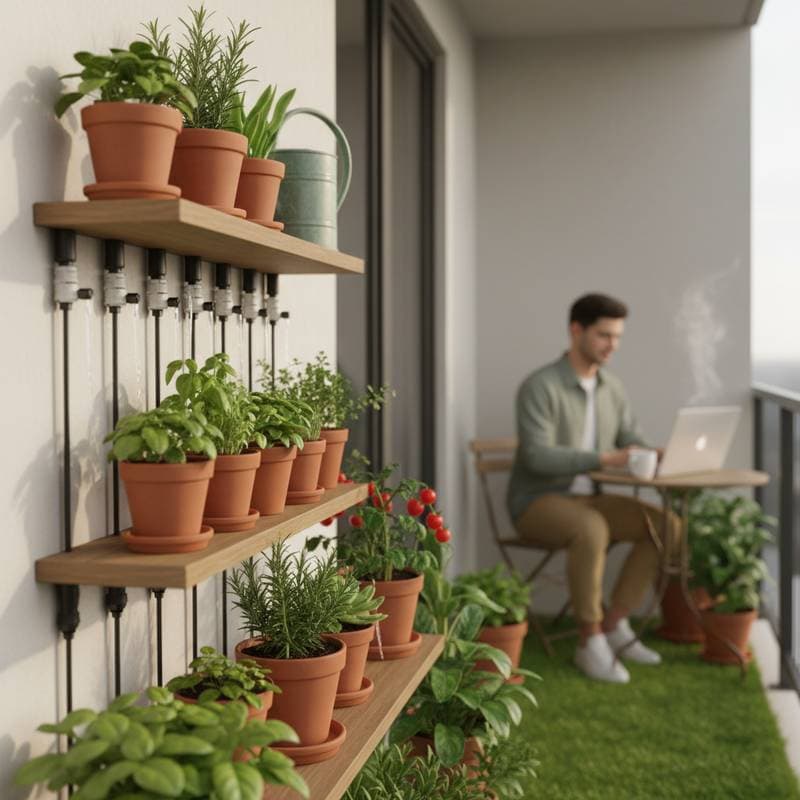
Introduction to Simple Drip Irrigation
Urban gardening presents unique challenges, particularly in small spaces like balconies where consistent watering proves difficult. A micro drip irrigation system addresses these issues by delivering water directly to plant roots, minimizing waste and ensuring even moisture. This guide outlines how to assemble an affordable, app-free setup that operates reliably, allowing gardeners to focus on growth rather than daily maintenance.
Such systems rely on gravity or low-pressure sources, making them ideal for city dwellers without access to complex automation. Benefits include reduced water usage by up to 50 percent compared to traditional methods, healthier plants through precise hydration, and the freedom to travel without concern for neglected pots. Readers will gain step-by-step instructions, tool recommendations, and strategies to customize the system for their needs.
Essential Tools and Materials
Assembling a basic micro drip system requires minimal equipment, most of which is available at hardware stores or online for under 50 dollars. Begin with 1/4-inch polyethylene tubing, which resists cracking and withstands outdoor conditions. Purchase drippers rated for low flow, typically 0.5 to 2 gallons per hour, to match the size of your containers.
Include a pressure regulator if connecting to a faucet, or opt for a gravity-fed approach using an elevated water reservoir. A mechanical timer provides scheduling without batteries or apps, while end plugs and connectors ensure a secure, leak-free assembly. For cutting tubing, use sharp scissors or a utility knife to achieve clean edges that prevent drips from loosening.
Step-by-Step Setup Guide
Start by planning the layout. Measure the distance from your water source to the pots, adding extra tubing for adjustments. For a balcony setup serving eight to ten pots, allocate one main line with branches to each container.
-
Connect the tubing to the water source. If using a faucet, attach the pressure regulator first, followed by the timer. For gravity feed, position a 5-gallon bucket or barrel at least three feet above the plants and fit it with a spigot.
-
Run the main line along the railing or shelf, securing it with clips to avoid sagging. Cut branches for each pot using the utility knife, and insert T-connectors where lines split.
-
Install drippers at the base of each plant, positioning them one inch from the stem to promote root absorption. Punch holes in the tubing with the provided tool or a needle, then push in the emitters firmly.
-
Cap the ends with plugs and test the system. Turn on the water for five minutes and observe for leaks or uneven distribution. Adjust run times based on soil dryness, starting with 10 to 15 minutes every other day.
This process typically takes one hour for beginners. Test in sections to identify issues early, ensuring the entire network functions before full operation.
Troubleshooting Common Issues
Even simple systems encounter problems, but most resolve with basic checks. Uneven flow often stems from kinks in the tubing or debris buildup; straighten lines and flush the system monthly by removing end plugs and running clear water through.
If drippers detach, high pressure may be the cause. Install a small pressure reducer inline or switch to a gravity tank to maintain gentle delivery. Dry spots in larger pots indicate insufficient coverage; extend run time by five minutes or add a second emitter per container.
Mold on the soil surface signals overwatering. Decrease frequency to every third day or reposition the emitter slightly away from the stem to avoid direct saturation. Regular inspection prevents escalation, keeping the setup efficient.
Budget Considerations and Time Investment
A complete system for eight to ten pots costs around 30 to 40 dollars, with tubing and connectors forming the bulk of expenses. Replacement emitters run less than one dollar each, offering an economical fix for wear. Select mid-grade polyethylene tubing over the thinnest options, as it endures sun exposure without cracking.
Installation demands about one hour, including planning and testing. A mechanical timer, priced at 15 dollars, operates for several seasons if stored dry during winter. Factor in occasional replacements, but overall, the system pays for itself through water savings and preserved plants.
Ongoing Maintenance Practices
Sustainability requires routine care to extend the system's lifespan. Flush lines monthly by detaching end plugs and allowing water to run until it appears clear, removing any sediment. Gently wipe emitters with a soft brush to clear residues without damaging the plastic.
Inspect the timer biweekly to verify it activates and deactivates correctly, adjusting for seasonal changes in evaporation. Coil and store unused tubing indoors to shield it from elements. These habits, taking under 10 minutes monthly, ensure consistent performance year-round.
Enhancing Your System
To further automate, integrate a rain barrel that refills naturally or via hose. Connect the micro drip lines directly to its outlet for an eco-friendly upgrade. Label each branch with pot names or plant types to simplify future adjustments.
Begin with one or two lines to observe results; improvements in plant vigor appear within days. As confidence grows, expand coverage. This approach grants peace of mind, enabling extended absences or relaxed mornings without the task of manual watering.