
Loading...

How Shade Apps Unlock Thriving Balcony Gardens in Urban Spaces | urbanoutdoorsnyc.com | Urban Outdoors - Small-Space Gardens, Rooftop Decks, Balconies, Decks, Backyard Design
Skip to main content
Urban Outdoors
Search
Home
  1. Home
  2. /
  3. Small-Space Gardens
  4. /
  5. Why Shade Apps Unlock Perfect Balcony Gardens
Small-Space Gardens

Why Shade Apps Unlock Perfect Balcony Gardens

byAnne Marion
2026-01-28 03:55:25January 28, 2026
5 min read
Featured image for Why Shade Apps Unlock Perfect Balcony Gardens

Categories

Navigation

  • Home
  • All Articles
  • About Us
  • Privacy Policy
  • Terms of Service

© 2026 Urban Outdoors. Crafted for bold city dwellers.

2026-01-28 03:55:25
Urban Outdoors - Small-Space Gardens, Rooftop Decks, Balconies, Decks, Backyard Design

Why Shade Apps Unlock Perfect Balcony Gardens

Balcony gardens offer a welcome escape from urban hustle, providing fresh greenery and a touch of nature amid concrete surroundings. However, plants require precise light conditions to flourish. Excessive sunlight can scorch foliage, while insufficient light hinders development. Shade apps simplify this challenge by analyzing your balcony's light patterns through your smartphone, enabling informed decisions before purchasing any plants.

These tools capture the balcony's unique light dynamics, allowing you to select and position plants that align with the available conditions. The result is a vibrant, low-maintenance garden that enhances your living space.

Overview

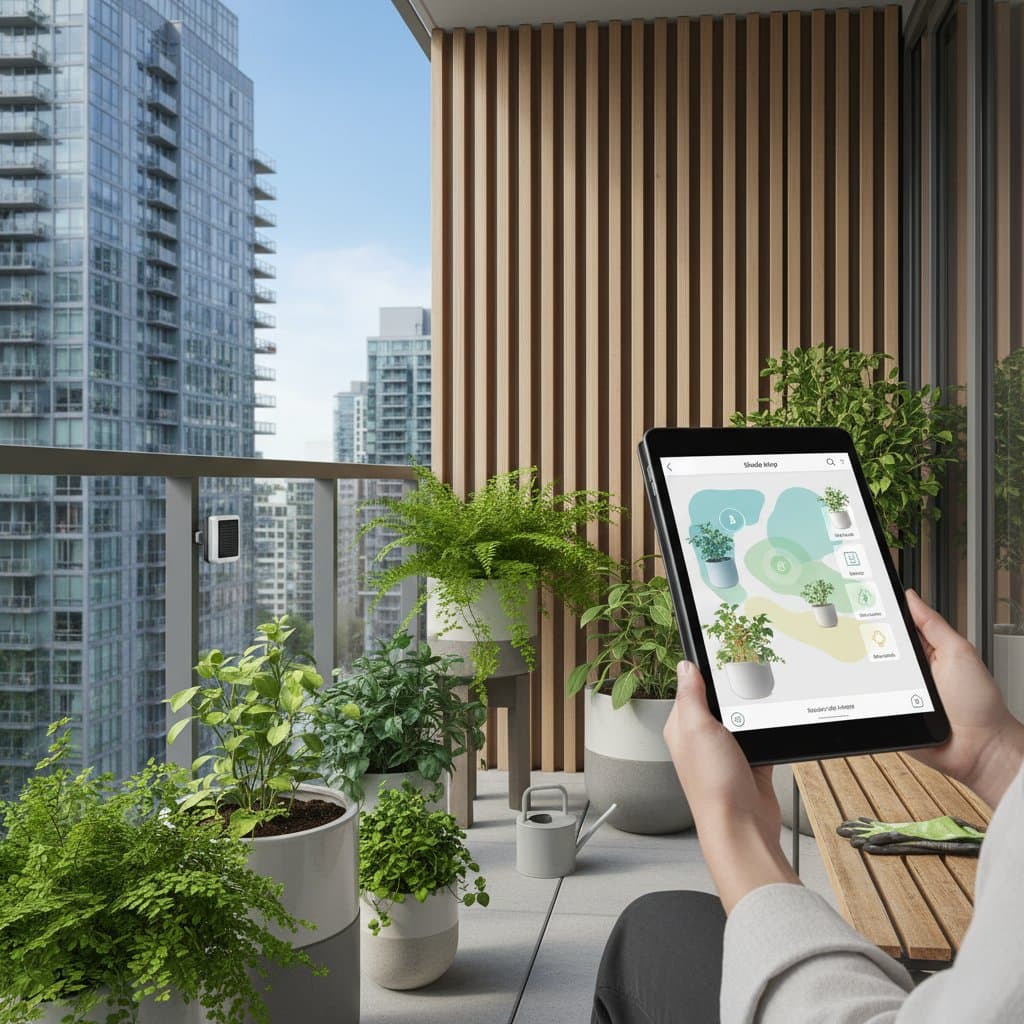
A shade app quantifies sunlight exposure across your balcony by processing data from multiple scans. Users perform brief assessments at various times of day, and the app generates a visual heat map indicating light intensity levels. This map delineates zones of full sun, partial shade, and full shade, facilitating precise plant placement based on empirical evidence rather than intuition.

Balcony environments feature dynamic light due to surrounding structures, such as adjacent buildings, protective railings, and overhead awnings, which create variable shadows. A location that receives ample light at midday may fall into shadow by afternoon. Understanding these fluctuations ensures plant resilience and minimizes the expense of replacing underperforming specimens.

Such apps also account for seasonal variations, like the sun's lower angle in winter, helping users anticipate changes and adapt their gardens proactively.

How It Works

Shade apps leverage your smartphone's camera, compass, and GPS sensors to evaluate light penetration. By directing the camera skyward, the app measures incoming light at specific angles and compiles this information into a comprehensive profile. Advanced versions incorporate augmented reality features to simulate sunlight progression throughout the year, while others produce detailed hourly timelines forecasting exposure duration for each balcony section.

To obtain accurate results, follow these structured steps:

  1. Conduct scans in the morning, midday, and late afternoon to establish a representative daily pattern.

  2. Maintain a steady grip on the device to avoid inaccuracies from motion blur.

  3. Perform assessments on days with clear skies to eliminate interference from cloud cover.

  4. Archive each scanning session for ongoing comparison, revealing trends over weeks or months.

This process requires minimal time, typically under fifteen minutes, yet it informs all subsequent gardening choices with precision.

Users often find that initial scans reveal surprises, such as overlooked shadow sources from nearby trees or rooftop installations, prompting immediate layout adjustments.

Planning with Shade Data

With the light map in hand, divide your balcony into distinct zones based on exposure levels. This zoning strategy optimizes plant health and maximizes space utilization.

  • Full sun zones receive over six hours of direct sunlight daily, ideal for sun-loving varieties like tomatoes, basil, and lavender, which produce robust yields in these conditions.

  • Partial shade zones experience three to six hours of light, suiting resilient options such as lettuce, mint, and begonias that tolerate dappled illumination without stress.

  • Full shade zones get fewer than three hours of light, where shade-tolerant plants like ferns and hostas excel, maintaining lush appearance in low-light settings.

Position containers strategically within these zones. For instance, elevate sun-dependent plants like tomatoes on stands near the railing to capture maximum rays, while situating shade-preferring species against walls or beneath suspended shelves to shield them appropriately. This arrangement promotes adequate airflow, reducing risks of disease and overcrowding.

Extend the data's utility beyond plants by reconfiguring furniture. Relocate lounge chairs to shaded areas for comfortable relaxation during peak heat, and designate sunny patches for practical uses like herb drying or solar-powered charging stations. Integrating light data into overall design fosters a harmonious, multifunctional outdoor retreat.

Consider vertical layering as well: hanging baskets in partial shade can accommodate trailing vines, freeing floor space for larger pots in sunnier spots.

Smart Tools and Budget Tips

Most shade apps operate on a freemium model, with basic functions available at no cost and premium features priced below ten dollars for enhanced capabilities like multi-site storage and integration with landscaping software. Beginners benefit from apps emphasizing intuitive color-coded maps over intricate data visualizations, ensuring accessibility without a steep learning curve.

Complement your app with affordable accessories to amplify results:

  • Clip-on thermometers monitor temperature spikes on sun-exposed railings, preventing heat stress in sensitive plants.

  • Reflective trays or mirrors redirect light into shadowed nooks, effectively expanding viable growing areas without structural changes.

  • Adjustable planter stands raise containers to optimal heights, aligning foliage with available light while improving drainage and accessibility.

Each of these enhancements typically costs under twenty dollars and can significantly increase your balcony's productive capacity, often doubling the number of viable planting spots.

For those on tighter budgets, repurpose household items like aluminum foil for reflection or cardboard dividers for temporary zoning trials, testing ideas before investing.

Maintaining Your Setup

Reevaluate your balcony's light profile every two to three months, as external factors like construction projects, altered window treatments, or solstice-driven sun paths can alter conditions. Refresh scans promptly and reposition plants accordingly to sustain vitality through changing seasons.

Prepare for accurate readings by cleaning the smartphone lens to remove dust or smudges that could underestimate light levels. Organize data within the app or a dedicated digital folder to monitor long-term patterns, such as gradual improvements from added reflectors.

Incorporate routine checks into your calendar, perhaps aligning with monthly watering schedules, to make maintenance effortless and proactive.

Applying Insights for Lasting Results

Initiate your project with a single scan this morning. Sketch the identified bright and dim areas on paper, then relocate one existing pot to a more suitable zone based on the findings. This incremental approach builds familiarity with the tool and demonstrates its practical impact quickly.

Combining app-generated insights with personal observations transforms a challenging balcony into an adaptive, thriving ecosystem. Plants establish deeper roots in their ideal conditions, yielding abundant harvests and vivid displays. You gain the satisfaction of a resilient garden, marked by reduced upkeep, heightened beauty, and the assurance of decisions rooted in tangible data.

You Might Also Like

Shade Sails That Follow the Sun All Day Long

Microclimate Apps Map Your Balcony's Hidden Zones

Map Your Yard's Hidden Climate Zones Before Building

Smart Apps Read Your Balcony's Hidden Weather Zones

Tagged:

apps,tracking,sunlight

Recent by Anne Marion

Image for Wind Screens That Tame Rooftop Gusts Without Blocking Views

Wind Screens That Tame Rooftop Gusts Without Blocking Views

Jan 27, 2026
Image for Microclimate Pods Extend Growing Season on Balconies

Microclimate Pods Extend Growing Season on Balconies

Jan 26, 2026
Image for Why Permeable Decks Stay 20 Degrees Cooler

Why Permeable Decks Stay 20 Degrees Cooler

Jan 25, 2026
Image for Garden Walls That Cut Balcony Noise by Decibels

Garden Walls That Cut Balcony Noise by Decibels

Jan 24, 2026
Image for Fungal Fibers That Replace Wood Decks and Compost Clean

Fungal Fibers That Replace Wood Decks and Compost Clean

Jan 24, 2026

apps

Image for Microclimate Apps Map Your Balcony's Hidden Zones

Microclimate Apps Map Your Balcony's Hidden Zones

Jan 1, 2026
Image for Map Your Yard's Hidden Climate Zones Before Building

Map Your Yard's Hidden Climate Zones Before Building

Nov 15, 2025
Image for Smart Apps Read Your Balcony's Hidden Weather Zones

Small-Space Gardens

Microclimate Pods Extend Growing Season on Balconies

Turn your balcony or rooftop into a productive garden that defies seasonal limits with microclimate pods. These innovative enclosures maintain optimal warmth, humidity, and airflow. Follow this comprehensive guide for construction, plant selection, safety measures, and ongoing care to harvest greens and herbs throughout the year.

Jan 26, 2026

Three Square Feet of Balcony That Feeds Urban Bees

In the heart of urban living, three square feet of balcony can become a thriving haven for bees. This guide details plant selections, container arrangements, and maintenance practices to attract pollinators throughout the year. With modest investment and simple routines, your compact space contributes to healthier ecosystems and serene outdoor moments.

Jan 25, 2026

Aeroponic Towers Fit Full Veggie Gardens in 4 Feet

Convert a compact balcony into a productive, soil-free vegetable garden using aeroponic towers. This detailed guide covers planning, assembly, and maintenance for a lightweight system that delivers abundant yields while fitting urban constraints like limited space and sunlight.

Categories

Deck Construction & Remodeling(149)
Balcony Design(140)
Small-Space Gardens(56)
Rooftop Decks(50)
Backyard Design(17)

Smart Apps Read Your Balcony's Hidden Weather Zones

Nov 3, 2025
Jan 24, 2026

Balcony Microclimates That Triple Your Harvest

Transform your balcony garden by identifying and leveraging microclimates—warm pockets, windy perimeters, and shaded retreats—that influence plant success. Map exposure to light, air, and temperature; assign suitable crops to zones; and adapt seasonally for a bountiful, year-round harvest in compact settings.

Jan 23, 2026

Balcony Mushroom Farms That Pay for Themselves

Transform your shaded balcony into a profitable mushroom farm producing gourmet varieties like oyster and shiitake. This guide covers setup, maintenance, harvesting, and sales strategies to generate steady income from urban space with minimal effort.

Jan 21, 2026

Acoustic Walls Cut Neighbor Noise Without Renovating

Achieve tranquility in bustling urban environments through acoustic walls, strategic sealing, and sound-absorbing plants. This guide provides practical installation steps, affordable material recommendations, and maintenance tips to create a serene home without extensive renovations.

Jan 18, 2026

Plants Cut City Noise With Layers and Smart Placement

Convert urban balconies or courtyards into tranquil refuges with sound-absorbing plants. Discover layering techniques featuring bamboo, evergreens, and grasses to diffuse noise, plus essential tips on selection, positioning, care, and affordability for compact green spaces.

Jan 17, 2026

Turn Your Balcony Into a Pollinator Stopover

Convert your balcony into a vibrant pollinator habitat that draws in bees, butterflies, and hummingbirds. Employ native plants, fresh water sources, and basic containers to promote urban biodiversity, improve air quality, and establish a serene green oasis, all achievable for less than seventy dollars with minimal weekly maintenance.

Jan 17, 2026

Dwarf Fruit Trees Turn Tiny Balconies into Orchards

Even the tiniest balcony can become a productive orchard with dwarf fruit trees. Compact options like Meyer lemon and dwarf apple varieties yield full-sized fruit in containers. This guide provides essential steps for setup, ongoing care, and troubleshooting to help city dwellers cultivate fresh produce just steps from their living spaces.

Jan 15, 2026

Turning Nine Square Feet Into a Pollinator Haven

Convert a modest 3x3 balcony into a dynamic micro-meadow that supports bees, butterflies, and birds. This comprehensive guide explains the process of designing, planting, and sustaining a lightweight, low-maintenance native plant habitat that delivers seasonal blooms, tranquility, and environmental benefits to city dwellers.

Jan 15, 2026

AI Garden Cams Catch Plant Problems Before They Spread

AI garden cameras leverage smart sensors and machine learning to track plant health, identify stress indicators promptly, and provide targeted care recommendations. This comprehensive guide covers device selection, installation procedures, data interpretation, and optimization strategies for watering and lighting, enabling urban gardeners to sustain healthy plants with reduced uncertainty and minimal effort.

Jan 14, 2026

Why Wildflower Balconies Supercharge Urban Pollinators

Convert your balcony into a buzzing mini-ecosystem that sustains urban pollinators. Explore native wildflower choices, efficient container arrangements, and simple maintenance routines to build lasting habitats in compact city areas. Gain insights into budget-friendly supplies, time commitments, and year-round strategies for a pollinator paradise.

Jan 12, 2026

AI Sensors Stop Deck Plants From Drying Out

AI sensors revolutionize deck gardening with automated watering based on real-time environmental data. This comprehensive guide covers installation, calibration, troubleshooting, and maintenance to ensure thriving plants, water savings, and minimal effort in compact urban spaces.

Jan 9, 2026

Plants That Cut City Noise by Half in Small Yards

Convert urban clamor into peaceful garden ambiance through targeted planting. Understand how thick foliage captures and diffuses noise, transforming compact areas into restorative sanctuaries. This guide covers noise assessment, plant selection, and layered arrangements for an efficient, affordable acoustic shield that enhances city living.

Jan 8, 2026

Aeroponic Towers Grow 20 Plants on a Balcony

Elevate your balcony into a productive, soil-free garden using aeroponic towers by 2026. This comprehensive guide covers mist-based vertical farming for greens and herbs, emphasizing efficient space use, reduced water consumption, and simple upkeep. Discover assembly steps, care protocols, safety measures, and budget tips for continuous harvests at your doorstep.

Jan 6, 2026

Drip System Waters 50 Pots on One Timer

Elevate your urban balcony garden using a straightforward DIY drip irrigation setup that automates watering for more than 50 pots. This guide covers zone planning, material selection, and installation in just a few hours for less than $150. Benefit from water conservation, reduced plant stress, and reliable, automated care ideal for time-strapped city dwellers.

Jan 4, 2026

Acoustic Garden Walls Block Noise on Small Balconies

Convert a bustling city balcony into a tranquil haven using an acoustic garden wall. This guide details methods to absorb noise, integrate lush greenery, maintain ventilation, and incorporate stylish privacy elements. Explore essential tools, materials, plant selections, and efficient storage solutions to create an affordable outdoor sanctuary over a single weekend.

Jan 1, 2026

Solar Drip Kits Water Plants Without Electricity

Harness solar energy for automatic plant watering with drip kits designed for urban spaces. This comprehensive guide covers installation from pump connection to final tweaks, plus safety, maintenance, and tips to ensure thriving rooftop and balcony greenery with minimal effort.

Dec 30, 2025

Native Wildflowers Feed Urban Pollinators Year-Round

Convert a compact balcony into a vital habitat for pollinators with native wildflowers. Select hardy local varieties, design container layouts for continuous blooms, and draw in bees, butterflies, and hummingbirds. This approach requires few resources and delivers sustainable color and ecological benefits to city dwellers.

Dec 23, 2025

Native Grasses Create Urban Pollinator Stops on Balconies

Convert your city balcony into a vibrant mini-meadow with resilient native grasses that draw in bees, butterflies, and birds. This guide covers selecting appropriate species, container arrangement, and low-maintenance care to foster an urban ecosystem with ease and affordability.

Dec 22, 2025