
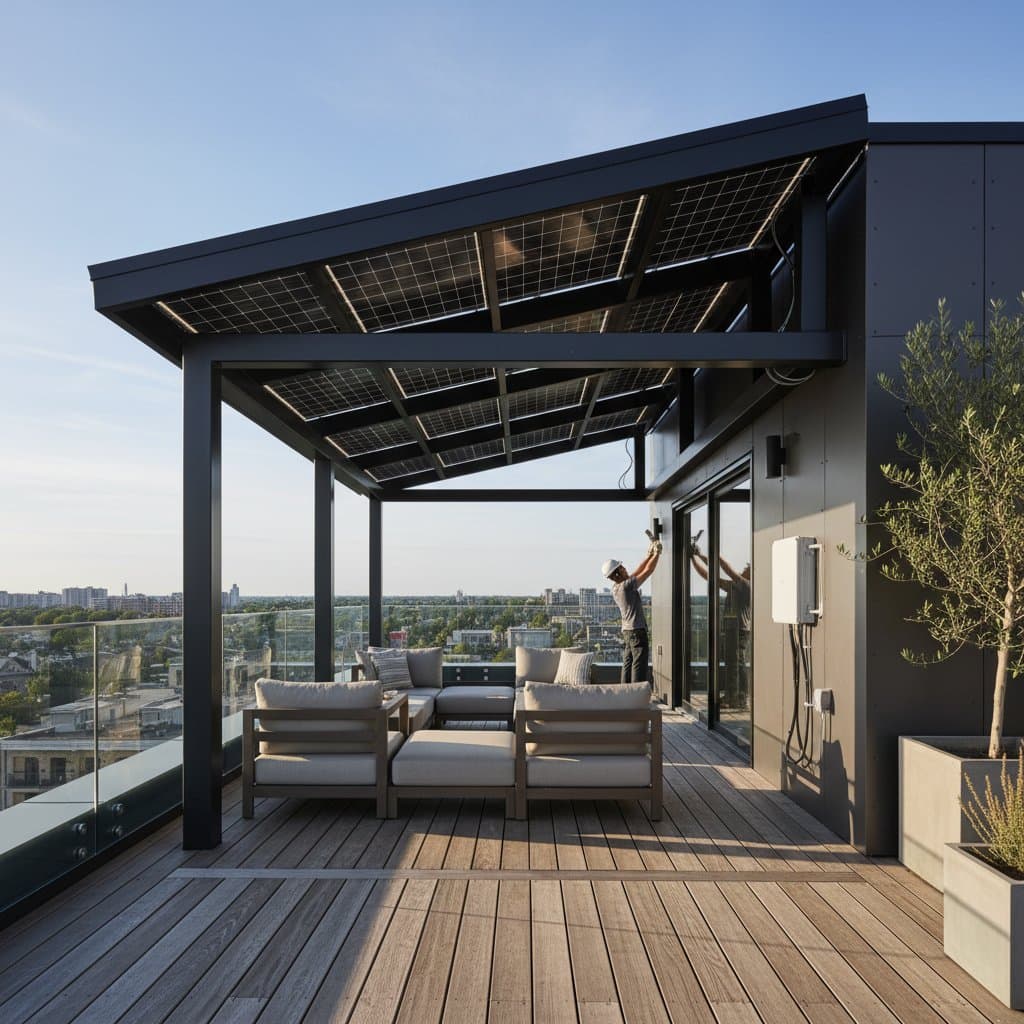
Connecting the Solar Canopy to Your Electrical System
The installation team links the solar canopy to the inverter and the home electrical panel. This step ensures that the generated power flows efficiently into the household supply. Local building codes typically mandate a professional inspection prior to full activation. After the inspection receives approval, the system begins supplying energy directly to the home or charges a connected battery storage unit.
Professional installers handle the wiring to comply with safety standards. They verify that all connections withstand environmental factors such as wind and rain. Homeowners benefit from this integration, as it allows seamless use of solar power for lighting, appliances, or even charging electric vehicles. Understanding this process helps set realistic expectations for when the system becomes operational.
Troubleshooting Common Issues
Solar canopies perform best with regular attention to potential problems. Addressing issues promptly maintains efficiency and extends the system's lifespan. Below are solutions for frequent challenges.
Reduced Power Output:
Debris accumulation often causes output to drop by 10 percent or more. Use a soft brush and mild soap solution to clean the panels gently. Avoid abrasive materials that could scratch the surface. Perform cleaning on a cloudy day to prevent water spots from forming under direct sunlight.
Interference from Shade:
Partial shading from trees or nearby structures disrupts the entire panel array. Trim back overhanging branches to allow full sunlight exposure. Reposition deck furniture or plants that cast shadows during peak hours. Consider the sun's path when planning the canopy location to minimize future shade issues.
Water Accumulation on Panels:
Improper drainage leads to pooling, which can damage seals over time. Evaluate the canopy's pitch to ensure water flows off easily. Install additional flashing around edges or extend gutters to direct runoff away from the deck. Regular checks after heavy rain prevent long-term corrosion.
Noises or Loose Components:
Strong winds may loosen bolts or cause rattling in the frame. Inspect and tighten all mounting hardware following weather events. Examine brackets for signs of wear or fatigue. Secure any loose panels immediately to avoid further damage or safety hazards.
Inverter Errors:
If the inverter displays fault codes, consult the user manual for basic resets. Persistent issues might indicate overheating or wiring faults. Monitor the inverter's temperature and ensure adequate ventilation around the unit. Document error patterns to share with technicians during service calls.
Essential Maintenance Practices
Routine care keeps the solar canopy functioning at peak performance. Dedicate time every few months to inspections and cleaning. These habits prevent minor problems from escalating into costly repairs.
Clean the solar panels every two to three months. Employ a long-handled squeegee with a non-abrasive cleaner to reach all areas safely. Rinse thoroughly with fresh water to remove residue. This practice restores efficiency lost to environmental buildup.
Examine the canopy frame biannually for rust, corrosion, or loose screws. Apply protective coatings to metal components as needed. For wooden posts, reseal surfaces every two seasons to guard against moisture penetration and rot. Use weather-resistant sealants compatible with outdoor exposure.
Maintain clear drainage paths by clearing gutters and downspouts regularly. This prevents water backup that could weaken the structure. If the system includes battery storage, adhere to the manufacturer's guidelines for charge cycles and inspections. Test battery health annually to ensure reliable backup power.
Track overall system performance through monitoring apps or meters. Compare output against expected generation based on sunlight hours. Adjust habits, such as avoiding unnecessary shading, to optimize results year-round.
Situations Requiring Professional Assistance
Certain tasks exceed standard homeowner capabilities and demand expert intervention. Rely on certified professionals to handle complex electrical or structural work. This approach ensures safety, compliance, and warranty preservation.
Engage a certified solar electrician for final wiring connections. These experts navigate intricate electrical codes and integrate the system without risks. They also troubleshoot or replace inverters showing signs of failure, such as inconsistent output or error alerts.
For older decks, consult structural engineers for reinforcement assessments. Added weight from the canopy requires verification of load-bearing capacity. Professionals recommend upgrades like additional supports to prevent sagging or collapse.
Schedule code compliance inspections with licensed inspectors. They confirm that the installation meets local regulations for solar setups. Address any noted deficiencies promptly to avoid delays in activation or potential fines.
In cases of storm damage or unusual performance drops, professionals diagnose root causes. They possess tools for thorough testing, such as thermal imaging for hot spots on panels. Early professional involvement saves time and money in the long term.
Steps to Implement Your Solar Canopy Project
Begin the journey toward a shaded, energy-efficient deck with these structured actions. Each step builds toward a successful installation and sustained benefits.
-
Assess and Measure Your Deck: Calculate the available space and determine the ideal canopy size. Sketch the layout, noting the orientation toward the south for maximum sun exposure. Factor in tilt angle, typically 20 to 40 degrees, to optimize energy capture while providing effective shade.
-
Research and Obtain Quotes: Contact at least three reputable installers experienced in solar canopies. Request detailed proposals covering structural assessments, grid-tie options, and permitting fees. Compare warranties, timelines, and references to select the best fit for your needs.
-
Plan for Permits and Incentives: Review local regulations for solar installations on decks. Apply for necessary permits early to avoid setbacks. Explore available rebates or tax credits that reduce upfront costs and accelerate return on investment.
-
Schedule Ongoing Upkeep: Set calendar reminders for cleaning sessions and inspections. Establish a maintenance log to record activities and observations. This discipline ensures the system delivers consistent savings and reliability.
Realizing the Benefits of Your Investment
A well-installed solar canopy enhances outdoor comfort while contributing to energy independence. Expect noticeable reductions in utility bills as the system offsets consumption. The added shade extends usable deck time during hot months, promoting relaxation and gatherings.
Over time, the canopy increases property value through sustainable features. Homeowners enjoy peace of mind from a low-maintenance setup that withstands weather challenges. Embrace this upgrade to blend style, functionality, and environmental responsibility in your backyard oasis.