
6. Complete the Installation
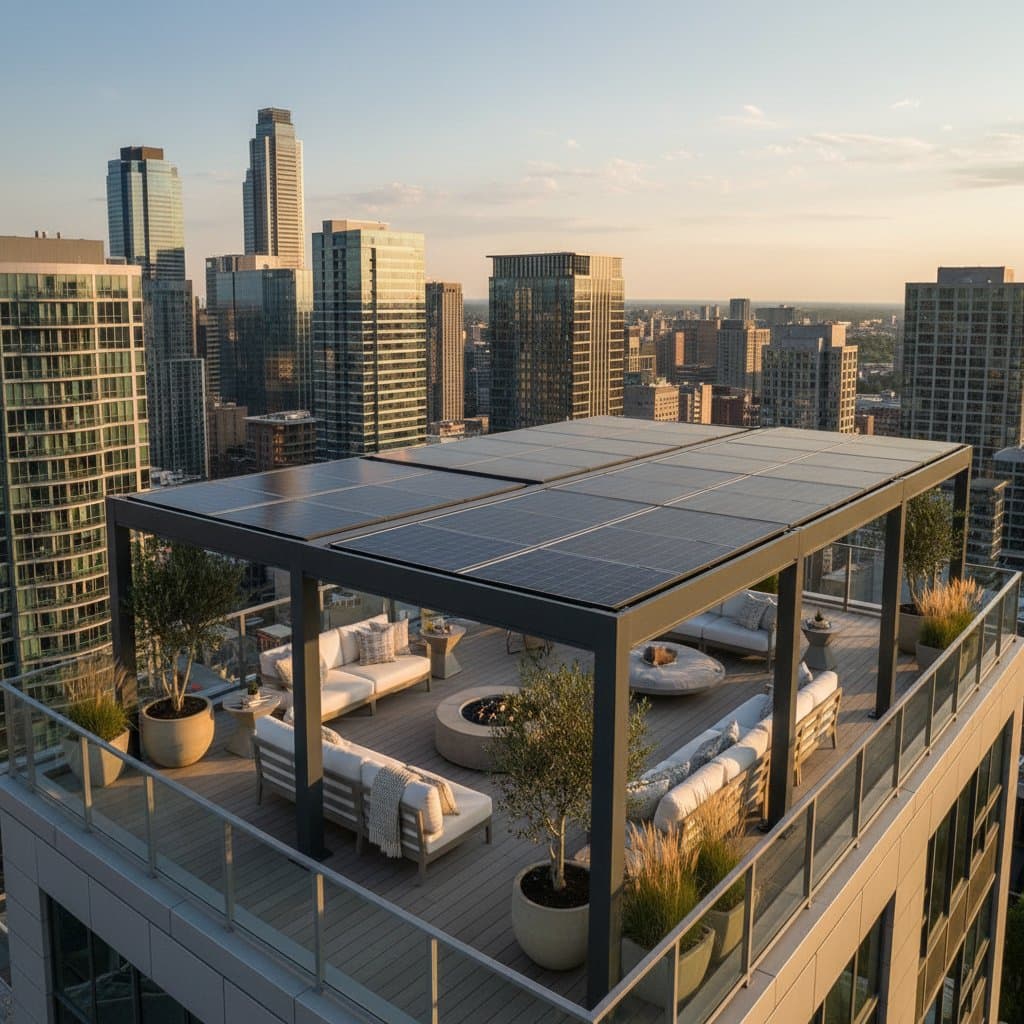
After the solar pergola secures approval from local inspectors, focus on furnishing the area to create an inviting space. Select furniture designed for outdoor use, such as weather-resistant chairs and tables. Incorporate planters with low-growing plants that do not interfere with sunlight access to the panels. Install string lights along the beams for evening ambiance, ensuring all wiring routes away from the solar components.
Position seating arrangements low to the ground and centered beneath the structure. This setup minimizes shadows on the panels while promoting a cozy atmosphere. An outdoor rug adds warmth, and subtle lighting transforms the area into an extension of indoor living.
Essential Safety Guidelines
Protect the installation by enclosing all electrical wiring within protective conduit. This measure shields connections from rain, wind, and UV exposure. Opt for fasteners made from stainless steel or galvanized materials to resist corrosion and prevent unsightly stains on the structure.
Never step on the solar panels, as concentrated pressure can cause fractures. Conduct an annual professional inspection to assess structural integrity and electrical functionality. Remove snow or accumulated debris using a soft-bristled broom; avoid metal tools that might scratch surfaces.
Common Issues and Solutions
Reduced Energy Production
If output falls below expectations, inspect for shading caused by adjacent railings, buildings, or overgrown vegetation. A single obscured panel can diminish performance across the entire system. Relocate obstructing plants or explore adjustable mounting options to optimize sun exposure throughout the day.
Water Accumulation or Seepage
Verify that panels tilt at a minimum of five degrees to facilitate natural drainage. Examine seals around mounting points and flashing for integrity. Apply silicone caulk to any gaps identified during routine checks to maintain waterproofing.
Inverter Error Messages
Inverter displays often indicate issues with codes like 'E01' for ground faults. Begin troubleshooting by securing loose connections and replacing any tripped fuses. Engage a certified electrician to measure voltage and continuity rather than attempting component swaps independently.
Structural Instability or Movement
Address wobbling by retightening all bolts to manufacturer specifications. Confirm that ballast pads or footings remain level, as seasonal freeze-thaw cycles may displace them on rooftops. Re-level supports promptly to prevent long-term wear.
Cost Estimates and Timeline
Expect total expenses for a solar pergola to fall between $6,000 and $12,000. Factors include the covered area size, material quality, and panel quantity. The pergola frame typically accounts for half the budget, with solar arrays, inverters, and wiring comprising the balance.
Cost-Saving Strategies:
- Select prefabricated aluminum kits equipped with integrated rail systems for panels.
- Install efficient polycrystalline panels instead of high-end monocrystalline types for balanced performance.
- Coordinate with building management for shared installations among residents to distribute labor and permitting fees.
Critical Investments:
- Obtain a structural engineering assessment.
- Include ground-fault circuit interrupters and surge protectors.
- Choose UV-resistant fabrics and marine-grade hardware.
Homeowners often finish the project over two to three weekends, dedicating one additional day for electrical integration by professionals. Factor in permitting delays, which may add weeks; submit applications well in advance to streamline the process.
Ongoing Upkeep Practices
Solar pergolas require minimal intervention, primarily involving cleaning and periodic evaluations.
Monthly Tasks:
- Gently sweep debris from panel surfaces using a soft brush to avoid scratches.
- Clean glass with a solution of mild soap and lukewarm water, then rinse thoroughly to maximize light transmission.
Seasonal Maintenance:
- Inspect and tighten all fasteners to counteract settling.
- Examine wooden elements for signs of moisture damage and apply sealant as needed.
- Verify functionality of outlets and lighting circuits.
Long-Term Checks:
- Monitor inverter output via built-in diagnostics or connected applications.
- Replace deteriorated conduit sections or faulty connectors.
- Analyze annual energy yield to detect any degradation in panel efficiency.
Regular cleaning boosts output by up to 10 percent, yielding significant savings over the system's lifespan.
Efficient Storage Solutions
Rooftop areas benefit from organized storage to preserve airflow and access paths around solar elements.
- Install a bench crafted from recycled plastic with built-in compartments for storing pillows and maintenance items.
- Attach a collapsible table to railings, folding it away after use to reclaim floor space.
- Secure cleaning tools in a watertight container positioned beneath seating.
- Utilize vertical space by affixing slim planters to posts, selecting drought-tolerant species that thrive in partial shade.
These arrangements ensure the space remains functional while supporting shade and energy goals.
Professional Assistance Indicators
Engage a licensed electrician for any integration with building power systems, including inverter setup, grounding rods, and final commissioning.
Consult a structural engineer under these conditions:
- Visible roof damage like fissures or deflection.
- Designs exceeding 150 square feet in footprint.
- Presence of HVAC units or other loads that restrict placement.
Actionable Steps Forward
- Assess Roof Suitability. Identify unobstructed zones with stable decking and convenient ladder access.
- Develop a Layout. Measure the space and track peak sunlight hours to position panels effectively.
- Consult Specialists. Reach out to regional solar providers experienced in rooftop integrations.
- Integrate Amenities. Plan furniture and illumination to harmonize energy production with relaxation needs.
Implement these steps to unlock a sustainable, shaded rooftop that enhances daily urban life.