
Loading...

Transform Patios into Solar Power Plants with Walkable Pavers | urbanoutdoorsnyc.com | Urban Outdoors - Small-Space Gardens, Rooftop Decks, Balconies, Decks, Backyard Design
Skip to main content
Urban Outdoors
Search
Home
  1. Home
  2. /
  3. Deck Construction & Remodeling
  4. /
  5. Walkable Solar Pavers Turn Patios Into Power Plants
Deck Construction & Remodeling

Walkable Solar Pavers Turn Patios Into Power Plants

byDawn Hayden
2026-02-26 05:55:03February 26, 2026
8 min read
Featured image for Walkable Solar Pavers Turn Patios Into Power Plants

Categories

Navigation

  • Home
  • All Articles
  • About Us
  • Privacy Policy
  • Terms of Service

© 2026 Urban Outdoors. Crafted for bold city dwellers.

2026-02-26 05:55:03
Urban Outdoors - Small-Space Gardens, Rooftop Decks, Balconies, Decks, Backyard Design

Walkable Solar Pavers Turn Patios Into Power Plants

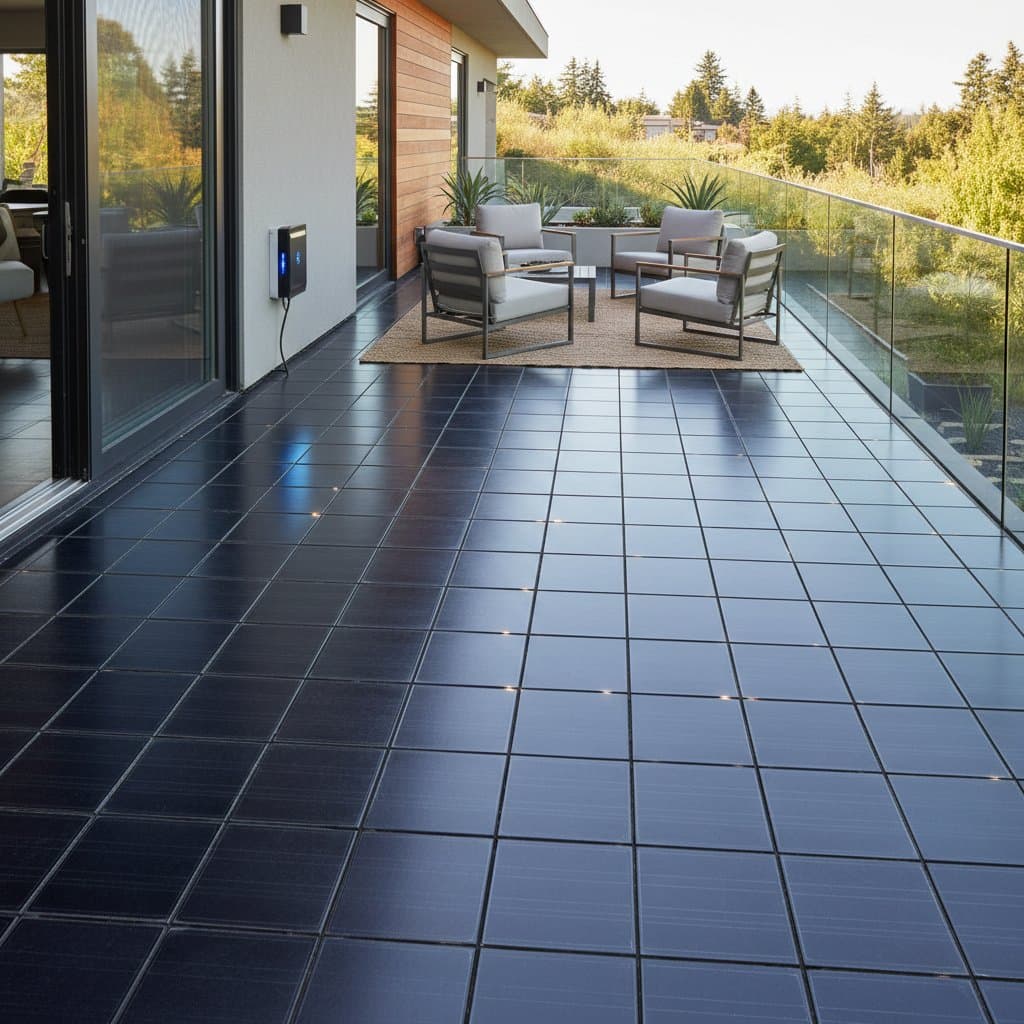
Walkable solar pavers represent an innovative fusion of landscaping and renewable energy. These durable tiles integrate photovoltaic cells beneath a sturdy, pedestrian-friendly surface, allowing homeowners to generate electricity from everyday outdoor spaces. Patios, walkways, and decks become productive areas that capture sunlight and convert it into usable power for lighting, small appliances, or even integration with home systems.

Traditional solar panels often require dedicated roof space and can disrupt aesthetics. In contrast, solar pavers distribute energy production across ground-level surfaces, maintaining visual harmony while enhancing sustainability. Each paver typically measures about 12 by 12 inches and weighs around 20 pounds, making them suitable for various layouts.

How Solar Pavers Work

At the core of each paver lies a monocrystalline silicon solar cell encased in tempered glass and framed by a robust polymer or concrete border. Sunlight strikes the surface, exciting electrons in the silicon to create direct current electricity. This power flows through embedded wiring to a central controller that regulates output and prevents overcharging.

Systems connect multiple pavers in series or parallel configurations, depending on the desired voltage. A micro-inverter or charge controller then converts the energy for storage in batteries or direct use. Output varies by location and weather; in sunny regions, a single paver might produce 10 to 15 watts per hour of peak sunlight.

Integration options include low-voltage lighting for pathways or feeding excess power into a home grid via net metering. Advanced models feature wireless monitoring, enabling users to track generation through smartphone applications.

Benefits for Sustainable Outdoor Living

Solar pavers offer multiple advantages beyond energy production. They reduce reliance on fossil fuels, lowering carbon footprints and utility bills over time. For urban dwellers with limited roof access, these ground-based solutions provide an accessible entry into solar technology.

Durability stands out as a key feature. Rated for foot traffic up to 1,000 pounds per square foot, they withstand daily use without compromising efficiency. Unlike rooftop arrays, they avoid wind uplift risks and require no structural reinforcements.

Aesthetically, pavers come in colors like gray, beige, or slate to match existing hardscapes. They promote eco-friendly outdoor living by powering features such as fountains, string lights, or electric grills, all while blending seamlessly into garden designs.

Planning Your Installation

Assess your space before purchasing. Measure the area to calculate paver quantities; a 10 by 10 foot patio requires about 100 tiles. Consider sunlight exposure using tools like solar pathfinders or apps to identify shaded zones that might reduce output.

Budget for components including pavers, wiring, controllers, and optional batteries. Factor in permits if connecting to home electrical systems. Consult local incentives, such as rebates for renewable installations, to offset initial expenses.

Select pavers based on needs. Basic models suit simple lighting setups, while premium versions with higher wattage support larger loads. Ensure compatibility with your climate; frost-resistant options perform best in colder areas.

Installation Steps

Prepare the site thoroughly for a stable foundation. Proper setup ensures longevity and optimal performance.

Step 1: Site Preparation

Mark the layout with stakes and string. Excavate 4 to 6 inches deep, removing grass, roots, and debris. Slope the base slightly, about 1/8 inch per foot, for water drainage away from structures.

Step 2: Base Layer

Compact 2 inches of gravel or crushed stone using a plate compactor. Add a 1-inch layer of sand and level it with a screed board. This creates a firm, even support that prevents settling.

Step 3: Dry Fit Pavers

Lay pavers in the planned pattern without adhesive. Space joints at 1/8 inch for expansion. Check alignment with a straightedge and adjust as necessary to ensure a flat surface.

Step 4: Wiring Setup

Plan conduit paths beneath the base. Bury low-voltage cables in PVC pipes, routing them to a junction box. Connect paver leads to the main line, using waterproof connectors to seal against moisture.

Step 5: Secure Pavers

Apply construction adhesive to the base if desired for extra stability. Press each paver firmly into place. Tap gently with a rubber mallet to seat them evenly.

Step 6: Seal and Test

Sweep polymeric sand into joints, mist with water, and allow it to cure for 24 hours. Power on the system once dry. Measure current flow with a multimeter; steady readings confirm proper connections. Link to the controller or inverter if output meets expectations.

Step 7: Finish and Monitor

Install edging or trim to define borders. Configure a monitoring display to log daily energy production. Many systems integrate with mobile apps for real-time performance data, helping users optimize usage.

Safety Tips

  • Enclose all wiring in conduit to protect against electrical shock and environmental damage.
  • Choose non-slip glass or textured finishes for areas prone to moisture.
  • Prevent heavy impacts by avoiding drops of tools or placement of furniture directly on tiles.
  • Disconnect power sources prior to replacing tiles or connectors.
  • Adhere to local electrical codes for all outdoor circuit installations.

Troubleshooting

Low or No Power Output
Inspect for shading from trees or buildings. Clean the surface to remove dust buildup and examine connectors for corrosion or loose fits.
Dust accumulation and faulty contacts diminish current; thorough cleaning and secure reconnections resolve most problems.

Uneven or Rocking Tiles
Raise the affected area, add more base material, and re-level the installation.
Uniform support maintains wiring integrity and avoids stress cracks in the cells.

Flickering Connected Lights
Verify controller voltage levels and replace any depleted batteries.
Consistent voltage delivery supports reliable operation without interruptions.

Maintenance

Solar pavers demand minimal upkeep compared to wood or composite alternatives. Rinse surfaces monthly with a hose and soft brush to eliminate dust. For stubborn oily residues, apply mild soap and rinse thoroughly; steer clear of abrasive tools that might damage the glass.

Conduct seasonal checks on connectors for signs of looseness or seal degradation. Tighten fittings or swap out damaged parts promptly. Clear debris like leaves to prevent water pooling in joints, which could lead to erosion.

In winter conditions, remove snow with a plastic shovel or broom to avoid scratches. The photovoltaic cells tolerate freezing temperatures, but surface abrasions from metal tools can impair light transmission and efficiency.

Storage

Store unused pavers in a dry, shaded location to prevent warping or degradation. Stack them horizontally, separating layers with foam padding or cardboard. Organize connectors and cables in clearly labeled, moisture-proof containers.

For seasonal disassembly, cap exposed wire ends with waterproof seals. Upon reinstallation, examine each paver for cracks, chips, or surface clouding. Only deploy tiles with pristine surfaces to maximize energy capture.

Budget and Time

Cost Breakdown
Expect $25 to $40 per square foot for materials and labor. A compact 100-square-foot patio installation ranges from $2,500 to $4,000, covering pavers, base materials, and basic electrical components.

Timeline
Complete a prepared 100-square-foot area over one weekend. Allocate an additional day for wiring, testing, or professional inspections to ensure compliance.

Considerations
Initial investment exceeds conventional pavers, yet yields savings through reduced energy costs. They deliver superior aesthetics and silence relative to rooftop solar arrays.

Seasonal Reminders

During peak sunlight periods, monitor for excessive heat retention. Opt for light-colored pavers to reflect rays and maintain cooler surfaces underfoot. In colder seasons, verify that ice does not accumulate in joints, as expansion might displace tiles.

After storms, clear fallen branches or dirt immediately. A debris-free setup preserves cell efficiency. Test voltage following significant weather to detect any disruptions early.

When to Call a Professional

Engage a licensed electrician for integrations with your home's breaker panel. Seek expertise for systems exceeding 1,000 watts, including battery sizing or inverter selection. Address issues like frequent breaker trips or overheated connections without delay.

A specialized paving contractor assists with base grading, drainage slopes, and precise alignment. Prioritize those familiar with solar integrations.

Essential Questions

  • What average wattage do their installed tiles achieve?
  • Does the warranty cover both structural and electrical elements?
  • How do they protect conduits from water ingress?

Key Takeaways

Walkable solar pavers merge functionality with elegance, converting outdoor areas into efficient energy producers. They generate 5 to 20 watts per square foot, sufficient for illuminating pathways or supplementing household power.

With robust construction, simple care routines, and subtle appearance, these installations demand upfront planning focused on site and wiring. The result offers enduring value in comfort, savings, and environmental stewardship.

Making It Happen

Begin modestly by incorporating solar pavers into a garden path to illuminate evening strolls. Observe generation patterns to gauge reliability in your setting.

Scale up to encompass decks or terraces as confidence grows. Pair with energy-efficient LEDs and sensors to amplify output effectiveness.

Prepare for the next clear day by sweeping surfaces and verifying connections. Witness your landscape harness sunlight to deliver consistent, practical power.

You Might Also Like

Solar Pergolas Turn Rooftops Into Shade and Power

The Deck Trick: Growing Gourmet Mushrooms at Home

Why Cork Decks Are the Soft Eco-Choice for 2026

Solar Railings Turn Your Deck Into a Power Source

Misting Solar Shade Sails Drop Deck Temps 20 Degrees

Tagged:

energy,flooring,deck,solar,pavers,generating,photovoltaic,energy-generating-deck,solar-pavers,photovoltaic-flooring

Recent by Dawn Hayden

Image for Solar Pergolas Turn Rooftops Into Shade and Power

Solar Pergolas Turn Rooftops Into Shade and Power

Feb 26, 2026
Image for Why Cork Decks Are the Soft Eco-Choice for 2026

Why Cork Decks Are the Soft Eco-Choice for 2026

Feb 26, 2026
Image for Solar Railings Turn Your Deck Into a Power Source

Solar Railings Turn Your Deck Into a Power Source

Feb 24, 2026
Image for Smart Sails Cut Rooftop Heat by 20 Degrees

Smart Sails Cut Rooftop Heat by 20 Degrees

Feb 24, 2026
Image for Misting Solar Shade Sails Drop Deck Temps 20 Degrees

Misting Solar Shade Sails Drop Deck Temps 20 Degrees

Feb 23, 2026

energy

Image for Solar Pergolas Turn Rooftops Into Shade and Power

Solar Pergolas Turn Rooftops Into Shade and Power

Feb 26, 2026
Image for Solar Railings Turn Your Deck Into a Power Source

Solar Railings Turn Your Deck Into a Power Source

Feb 24, 2026
Image for Solar Pergolas Cut Cooling Costs and Shade Your Deck

Deck Construction & Remodeling

The Deck Trick: Growing Gourmet Mushrooms at Home

Convert your deck into a productive mushroom cultivation area with essential tools, effective moisture strategies, and adaptations for changing seasons. This guide details growing premium oyster, lion’s mane, or shiitake mushrooms in buckets or bags, delivering fresh, flavorful results year-round. Inexpensive, easy to maintain, and highly satisfying, these methods prove that compact areas produce substantial culinary rewards.

Feb 26, 2026

Walkable Solar Pavers Turn Patios Into Power Plants

Walkable solar pavers integrate photovoltaic technology into patios, decks, and pathways, generating clean electricity while preserving design integrity. These tiles harness sunlight to energize outdoor features or home networks. Discover their mechanics, pricing, setup process, upkeep advice, and role in advancing sustainable landscapes.

Feb 26, 2026

Why Cork Decks Are the Soft Eco-Choice for 2026

Cork decking rises as a leading sustainable and comfortable material for outdoor spaces in 2026. Derived from renewable cork oak bark, it provides cushioning underfoot, thermal insulation, and resistance to environmental stresses. Suitable for urban balconies and rooftops, cork decks offer a warm, quiet, and eco-conscious alternative with straightforward installation and upkeep.

Categories

Deck Construction & Remodeling(192)
Balcony Design(170)
Small-Space Gardens(72)
Rooftop Decks(65)
Backyard Design(21)

Solar Pergolas Cut Cooling Costs and Shade Your Deck

Feb 21, 2026
Image for Solar Railings Turn Your Deck Into a Power Source

Solar Railings Turn Your Deck Into a Power Source

Feb 19, 2026
Image for Solar Pavers Turn Your Deck Into a Power Source

Solar Pavers Turn Your Deck Into a Power Source

Feb 18, 2026
Feb 26, 2026

Acoustic Screens Cut Neighbor Noise by 40%

Convert a noisy urban patio into a tranquil retreat with acoustic screens that lessen neighbor and traffic sounds by up to 40 percent. Delve into how these panels function, choose suitable materials, and execute detailed installation for effective, elegant noise reduction that fosters privacy, comfort, and calm city living.

Feb 25, 2026

Solar Railings Turn Your Deck Into a Power Source

Elevate your deck or balcony by integrating solar railings, which combine safety features with photovoltaic technology to produce renewable energy. These elegant glass panels enable you to charge electronics, illuminate spaces, and embrace sustainability without compromising design. Discover essential planning, installation, and care strategies to maximize their potential.

Feb 24, 2026

Misting Solar Shade Sails Drop Deck Temps 20 Degrees

Convert your deck into a shaded oasis using misting solar shade sails. These versatile structures provide cooling mist, UV protection, and potential energy savings. Follow this guide for installation, upkeep, and optimization to enjoy pleasant outdoor conditions on the warmest days.

Feb 23, 2026

Acoustic Panels Turn Noisy Decks Into Quiet Retreats

Convert a noisy urban deck into a serene retreat using outdoor acoustic panels. This comprehensive guide details selection criteria, installation methods, and upkeep for weather-resistant panels that minimize echoes, enhance privacy, and elevate aesthetics. Discover actionable advice, essential materials, and strategies to foster a calm, inviting outdoor environment.

Feb 23, 2026

Solar Pergolas Cut Cooling Costs and Shade Your Deck

Elevate your deck with a solar pergola that offers shade and renewable energy. This versatile addition cools your space naturally, powers home features, and cuts cooling expenses. Discover planning essentials, material choices, installation guidance, cost breakdowns, and seasonal upkeep for optimal performance and durability.

Feb 21, 2026

Cork Decking Stays Cool and Soft in Summer Heat

Elevate your outdoor area with cork decking, a renewable and water-resistant material that remains cool, quiet, and comfortable underfoot. Discover planning, installation, and maintenance strategies using essential tools and straightforward care routines to achieve enduring slip resistance, sustainability, and aesthetic appeal on decks, balconies, or terraces.

Feb 20, 2026

Moss Decks Replace Grass in Tight Urban Yards

Moss decks offer a transformative solution for compact outdoor areas, delivering year-round greenery without the need for mowing. This shade-loving surface demands little upkeep, absorbs sound, cools the air, and supports environmental health. Follow these guidelines to install, maintain, and appreciate a resilient, living landscape that simplifies urban living.

Feb 19, 2026

Solar Railings Turn Your Deck Into a Power Source

Elevate your deck's functionality by integrating solar railings that produce clean electricity without compromising aesthetics or safety. This guide covers essential planning, installation strategies, ongoing maintenance, and troubleshooting to achieve optimal performance, reduced energy costs, and a contemporary outdoor environment.

Feb 19, 2026

Solar Pavers Turn Your Deck Into a Power Source

Solar pavers integrate photovoltaic technology into durable deck tiles, allowing you to generate clean electricity with every footstep and sunbeam. This comprehensive guide explains their mechanics, step-by-step installation, required tools, safety protocols, and ongoing maintenance. Design an eco-friendly deck that not only enhances your outdoor area but also contributes to powering your home efficiently.

Feb 18, 2026

Retractable Pergolas Turn Decks Into Year-Round Rooms

Convert your deck into a durable, all-season outdoor haven resilient to rain, wind, and sun. Delve into the benefits of retractable pergolas, living pods, and complete enclosures, along with guidance on planning, installation, upkeep, and safety to craft an ideal protected outdoor environment.

Feb 18, 2026

Acoustic Panels Drop Deck Noise by Half

Turn your urban deck from a noisy spot into a serene escape using outdoor acoustic panels. This guide covers planning, installation, and upkeep for sound-absorbing solutions that cut echoes, boost privacy, and endure weather while staying stylish and budget-friendly.

Feb 17, 2026

AI Cameras That End Deck Garden Guesswork

Turn your deck garden into a low-maintenance haven using AI cameras to spot pests, track soil conditions, and activate targeted watering. This guide covers installation, essential tools, safety measures, and ongoing care strategies to conserve water, avoid pest issues, and support plant vitality across all seasons with efficient automation.

Feb 16, 2026

Turn Your Deck Into a Power-Generating Shade Canopy

Elevate your outdoor space by installing a solar deck canopy that delivers shade while producing clean energy for your home. This comprehensive guide covers planning, construction, wiring, safety measures, and ongoing care to help you create a sustainable deck extension efficiently.

Feb 15, 2026

Solar Pergolas Cut Energy Bills While Shading Your Deck

Elevate your deck into an energy-producing haven using a solar pergola that combines shade, elegance, and eco-friendliness. Gain insights into designing, constructing, and upkeeping this green addition that diminishes energy expenses, boosts livability, and increases property worth, all while supplying renewable power for your residence and patio.

Feb 15, 2026

Walk-On Solar Tiles That Generate Patio Power

Elevate your patio with solar deck pavers, robust walkable tiles that harness sunlight to produce electricity. These panels integrate seamlessly into outdoor designs, endure harsh weather, and lower energy expenses. This guide covers installation processes, material options, safety measures, upkeep routines, and performance examples for eco-friendly living.

Feb 15, 2026

Fire-Pit Decks with Seating Walls Work Year-Round

Fire pit decks with built-in seating walls transform outdoor areas into versatile, inviting retreats. These designs offer warmth, structured comfort, and enduring style without the clutter of separate furniture. Homeowners appreciate their all-season functionality, ease of maintenance, and ability to foster gatherings.

Feb 14, 2026

Transparent Solar Panels Keep Decks Bright While Cutting Energy Bills

Elevate your deck with transparent solar panels that generate electricity without dimming the sunshine or obstructing vistas. This guide details the technology, required materials, secure installation procedures, ongoing care, and financial considerations to build an inviting, power-producing outdoor haven.

Feb 14, 2026