
Loading...

How to Water 40 Balcony Plants with One Bottle: Micro-Drip Irrigation Guide | urbanoutdoorsnyc.com | Urban Outdoors - Small-Space Gardens, Rooftop Decks, Balconies, Decks, Backyard Design
Skip to main content
Urban Outdoors
Search
Home
  1. Home
  2. /
  3. Small-Space Gardens
  4. /
  5. Water 40 Plants from One Bottle with Micro-Drip
Small-Space Gardens

Water 40 Plants from One Bottle with Micro-Drip

byDawn Hayden
2026-03-31 03:37:55March 31, 2026
7 min read
Featured image for Water 40 Plants from One Bottle with Micro-Drip

Categories

Navigation

  • Home
  • All Articles
  • About Us
  • Privacy Policy
  • Terms of Service

© 2026 Urban Outdoors. Crafted for bold city dwellers.

2026-04-04 04:15:55
Urban Outdoors - Small-Space Gardens, Rooftop Decks, Balconies, Decks, Backyard Design

Efficiently Water 40 Plants with a Single Bottle Micro-Drip System

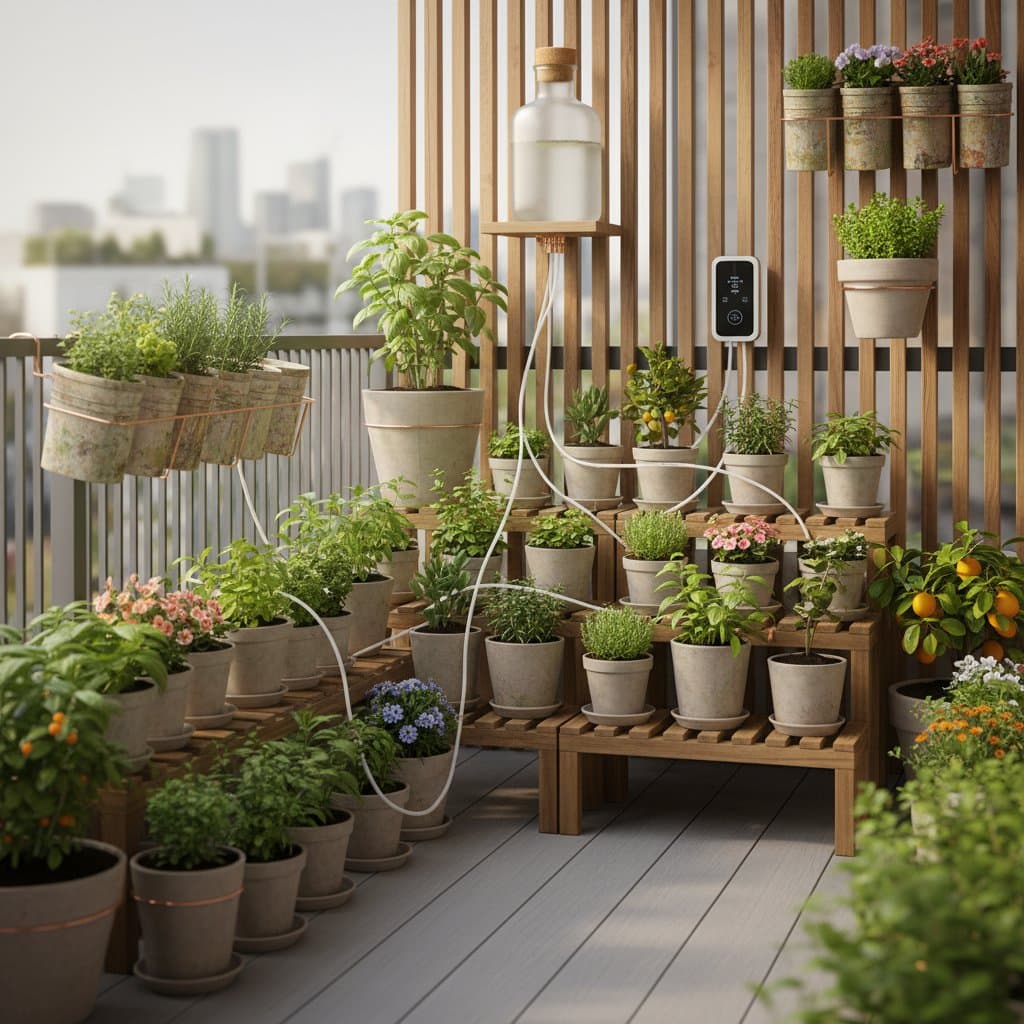
Urban dwellers often face challenges in maintaining balcony gardens amid busy schedules. A micro-drip irrigation system addresses this by delivering precise moisture from one water bottle to up to 40 plants. This method ensures consistent hydration, minimizes waste, and simplifies care.

This guide explains the system's components, installation process, and ongoing management. Readers gain practical knowledge to implement it immediately, fostering sustainable urban gardening practices.

System Overview

A micro-drip irrigation system supplies water directly to plant roots via narrow tubing and emitters. Each emitter dispenses water at a controlled rate, typically 0.5 to 2 gallons per hour, allowing soil to absorb it fully without excess runoff.

This approach suits compact spaces like balconies or patios. Connect the setup to a single 2-liter bottle or small reservoir, relying on gravity for distribution. Such a configuration can sustain multiple small pots for days.

Key advantages encompass:

  • Water conservation: Reduces usage by up to 70 percent compared to manual methods.
  • Plant vitality: Provides uniform moisture to support root health.
  • Minimal upkeep: Requires adjustments only occasionally for prolonged operation.
  • Compact design: Tubing integrates seamlessly around pots and railings.

Consider this system for scenarios involving travel, irregular routines, or efforts to limit mess from watering.

Required Tools and Materials

Assemble the system with accessible household and store-bought items. Focus on durable, affordable components for reliability.

Essential elements include:

  1. A clean 1- to 2-liter plastic bottle or container.
  2. 30 to 60 feet of micro-drip tubing, scaled to your arrangement.
  3. One drip emitter or stake per plant.
  4. Connector kit featuring tees, elbows, and couplers.
  5. Flow control valve or pressure regulator.
  6. Drill bit or pin for cap perforation.
  7. Scissors or utility knife for cutting.
  8. Optional timer or low-pressure pump for enhanced automation.

For setups exceeding 20 pots, substitute a 5-gallon bucket for the bottle while following identical assembly steps.

Installation Steps

Step 1: Design the Layout

Survey your balcony or windowsill setup. Tally the pots and measure distances between them. Allocate one emitter per pot, or two for larger ones. Draw a basic diagram to route the primary tubing efficiently, minimizing length to maintain pressure.

Step 2: Prepare the Reservoir

Remove labels from the bottle and clean it thoroughly. Pierce a small hole in the cap for the main tubing inlet. For gravity operation, add a tiny air vent near the bottle's upper side to sustain consistent flow.

Secure the bottle on a stable platform, elevated 2 feet above the tallest pot. This positioning generates adequate gravitational force for controlled dripping.

Step 3: Assemble the Tubing

Measure and cut the primary tubing line to extend to the remotest plant. Insert it into the cap hole securely. Branch secondary lines using connectors, ensuring each reaches its designated pot.

Employ color-coded fittings if available, aligning them with your layout sketch for easier identification during adjustments.

Step 4: Position the Emitters

Insert an emitter into each branch line and situate it at the plant base. Many models pierce the tubing directly and lock in place. Direct the drip toward the soil's outer root area, avoiding the central stem in small pots.

Step 5: Initial Fill and Calibration

Add water to the bottle and observe the emitters for steady output. Fine-tune the valve or reservoir height to equalize flow across lines. Target one drop every 2 to 3 seconds for herbs and compact flowers.

Balance discrepancies by elevating slower sections or gently constricting faster ones.

Step 6: Fasten and Conceal Tubing

Anchor lines with clips, ties, or mounts to prevent displacement. Steer clear of sharp angles that restrict flow. Route tubing discreetly along edges or behind containers for an tidy appearance.

Step 7: Incorporate Automation if Desired

For hands-off operation, install a submersible pump in the reservoir linked to a timer. Program short cycles, such as 5 minutes daily, and verify performance prior to extended use.

Essential Safety Measures

Select food-grade containers to avoid contaminating water. Position electrical components distant from moisture. Avoid suspending filled bottles overhead where falls pose risks.

Perform monthly flushes to eliminate algae or debris, safeguarding plants and surfaces from potential damage.

Common Issues and Solutions

Inconsistent Flow: Inspect for kinks in tubing or blockages in emitters. Clean affected parts by soaking in vinegar solution, then rinse and reinstall.

Complete Flow Stoppage: Replenish the reservoir and ensure the air vent remains clear. Air pockets can disrupt the siphon mechanism.

Excessive Dripping: Reduce reservoir elevation or opt for lower-rate emitters.

Joint Leaks: Trim tubing ends squarely and resecure connections. Precise cuts enhance sealing.

Address problems methodically, altering one element at a time, such as height or line length, for optimal results.

Routine Maintenance

Flush the entire system biweekly by circulating fresh water sans emitters to remove buildup. Verify seals and tubing integrity regularly.

To combat algae in transparent lines, cover with opaque tape or switch to non-clear variants. Algae impedes emitters and diminishes pressure.

Wash the reservoir with mild soap periodically, rinsing meticulously. After applying fertilizers, follow with plain water rinses to clear residues.

Off-Season Storage

Drain all components fully at season's close. Coil tubing without tension to avoid creases. Pack emitters and fittings in a marked container.

Store in a shaded, dry area. Inspect and replace degraded parts before spring reactivation to ensure longevity.

Cost and Time Investment

A fundamental gravity system for 20 to 40 plants ranges from $15 to $30. Pre-assembled kits streamline setup at a modest premium. Timers contribute an additional $10.

Initial assembly requires about 1 hour post-material collection. Monthly checks demand mere 10 minutes, yielding reliable hydration and reduced routine stress.

Adapting to Seasons

Summer Heat: Monitor reservoir levels daily as evaporation accelerates.

Wet Periods: Detach the bottle to prevent surplus; retain tubing in situ.

Winter Freezes: Purge lines to avert cracking from ice expansion.

Spring Preparation: Cleanse and trial the system prior to new plantings, swapping out fatigued connectors.

These practices sustain performance across changing conditions.

Professional Assistance Options

DIY installation suffices for most balcony applications. Engage an irrigation expert for integrations with household plumbing or multi-zone automation. Request consultations covering:

  • Low-flow pressure configurations.
  • Backflow preventers for water safety.
  • Customized timer setups for compact areas.

Professionals guarantee adherence to safety standards and local regulations.

Underlying Effectiveness

Micro-drip systems replicate gentle rainfall, enabling thorough soil penetration. The gradual delivery maintains a moist yet not saturated surface, curbing fungal growth.

Research on residential setups indicates drip methods halve water loss versus traditional hosing, thanks to precise targeting and elimination of evaporation.

Uniform hydration bolsters root development, allowing plants to allocate resources toward foliage and flowers. Urban gardeners benefit from robust growth with diminished daily involvement.

Implementation Guide

Begin modestly to build confidence.

  1. Collect Basics: Secure a bottle, tubing, and emitters for a trial run.
  2. Test a Segment: Install on 3 pots to assess performance.
  3. Monitor Outcomes: Note sustained soil moisture over days.

Scale up upon success, labeling lines for flow tracking. Within weeks, expect reduced wilting and enhanced vigor.

Advance to solar-powered pumps for complete autonomy as needs evolve. Each enhancement maximizes efficiency.

Sustainable Gardening Rewards

This micro-drip approach shifts watering to an unobtrusive routine. It conserves resources, nurtures plants effectively, and liberates time for enjoyment.

Invest minimally in materials for enduring benefits. Initiate with a single reservoir and targeted lines, refining as your garden expands.

Establish the system now to witness your urban oasis flourish effortlessly.

You Might Also Like

AI Sensors Cut Balcony Watering Time to Zero

Smart Shade Sails That Track Sun Automatically

Turn Your Noisy Balcony Into a Peaceful Retreat

Permeable Pavers Stop Balcony Puddles for Good

Foldable Pergolas Turn Hot Balconies Into Cool Zones

Tagged:

water,saving,micro,automated,balcony,drip,irrigation,micro-drip-irrigation,watering,water-saving-balcony

Recent by Dawn Hayden

Image for AI Sensors Cut Balcony Watering Time to Zero

AI Sensors Cut Balcony Watering Time to Zero

May 19, 2026
Image for Mirror Fences Make Small Balconies Feel Twice as Big

Mirror Fences Make Small Balconies Feel Twice as Big

May 16, 2026
Image for AI Drip Systems Cut Balcony Watering by Half

AI Drip Systems Cut Balcony Watering by Half

May 1, 2026

water

Image for AI Sensors Cut Balcony Watering Time to Zero

AI Sensors Cut Balcony Watering Time to Zero

May 19, 2026
Image for Balcony Gardens Thrive on Recycled Household Water

Balcony Gardens Thrive on Recycled Household Water

Apr 27, 2026
Image for Create a Balcony Pond in 18 Inches or Less

Small-Space Gardens

Why Balcony Corners Create Perfect Mushroom Microclimates

Balcony corners provide stable shade and humidity that support reliable mushroom cultivation. With basic materials and straightforward steps, home growers can produce oyster, shiitake, or lion's mane mushrooms throughout the year.

May 20, 2026

Create a Night-Blooming Balcony Garden That Thrives

Turn a compact urban balcony into a captivating moonlit garden featuring night-blooming flora, strategic lighting, and thoughtful design. This comprehensive guide details plant selection, space planning, installation basics, ongoing maintenance, and troubleshooting to help you cultivate a fragrant, glowing outdoor haven amid city lights.

Apr 30, 2026

AI Balconies Learn Your Plants' Water Rhythm

Turn your compact balcony into a vibrant, low-effort garden using AI self-watering technology. Sensors monitor soil moisture, pumps deliver precise water amounts, and apps adjust schedules automatically. This comprehensive guide addresses installation, customization, upkeep, and precautions to ensure healthy plants with minimal intervention.

Categories

Deck Construction & Remodeling(251)
Balcony Design(215)
Small-Space Gardens(89)
Rooftop Decks(88)
Backyard Design(23)

Create a Balcony Pond in 18 Inches or Less

Apr 26, 2026
Image for Balcony Ponds Bring Nature to Small Urban Spaces

Balcony Ponds Bring Nature to Small Urban Spaces

Apr 17, 2026
Image for Micro-Drip Systems Cut Balcony Watering by 70 Percent

Micro-Drip Systems Cut Balcony Watering by 70 Percent

Mar 17, 2026
Apr 30, 2026

AI Mirrors Double Sunlight for Shaded Balcony Gardens

Overcome balcony shade with AI mirrors that track and redirect sunlight to boost plant health. This guide covers installation, maintenance, and benefits like reduced energy costs for year-round urban gardening success.

Apr 29, 2026

AI Garden Cams Spot Plant Stress Before You Can See It

Elevate your urban garden with AI cameras that track light, moisture, and growth in real time. Eliminate guesswork in plant care through app alerts and insights, ideal for balconies and rooftops facing city challenges.

Apr 21, 2026

AI Watering Systems Cut Garden Work by Half

Eliminate uncertainty in plant care with AI-driven irrigation. These systems employ sensors and predictive analytics to automate watering, slashing time spent on chores while ensuring efficient resource use and lush results in limited spaces.

Apr 18, 2026

Solar Drips Water Your Balcony Garden Automatically

Convert your balcony into a low-maintenance garden paradise using solar-powered drip irrigation. This sustainable solution harnesses sunlight to deliver precise watering, conserving resources while promoting healthy plant growth. Discover planning, installation, and upkeep strategies to sustain vibrant urban greenery throughout the year.

Apr 14, 2026

Water 40 Plants from One Bottle with Micro-Drip

Elevate your balcony garden with a micro-drip irrigation system that hydrates up to 40 plants from one bottle. This guide covers setup instructions, troubleshooting, seasonal care, and ways to achieve water-efficient, low-effort plant health in city spaces.

Mar 31, 2026

Garden Walls That Block 70% City Noise in Small Spaces

Convert a bustling urban balcony or patio into a tranquil haven using a garden wall that diminishes up to 70 percent of city noise. This guide covers selecting optimal materials, installing sound-absorbing panels, incorporating plants, and performing upkeep to achieve enduring noise mitigation, seclusion, and aesthetic appeal in just one weekend.

Mar 21, 2026

Turn Your Balcony into a Pollinator Refuge

Elevate your balcony into a flourishing pollinator retreat featuring native flowers, basic equipment, and thoughtful maintenance. This guide demonstrates how modest planters can support bees and butterflies, boost city biodiversity, and add vivid hues to apartment living with limited space, expense, and mere minutes of daily attention.

Mar 19, 2026

Native Plants Turn Balconies into Bee Havens

Elevate your balcony into a vibrant pollinator sanctuary by incorporating native plants that support bees year-round. This guide covers plant selection for diverse blooms, optimal setup in containers, essential care routines, and strategies to ensure safety and longevity in compact urban spaces.

Mar 16, 2026

AI Sensors Cut Water Waste and End Plant Guesswork

Elevate your balcony or windowsill garden using AI sensors that track soil, light, and nutrients instantly. Discover automation techniques to cut water use, avoid plant distress, and streamline maintenance for precise, rewarding results in urban settings.

Mar 12, 2026

Balcony Gardens That Feed City Bees in 5 Containers

Turn a compact balcony into a vital habitat for pollinators using simple containers and native flora. This practical guide details plant selections, setup tips, and maintenance routines that draw bees, support ecosystems, and elevate city greenery.

Mar 12, 2026

AI Cuts Balcony Watering Work by Half

Transform your urban balcony into a vibrant garden using AI-powered watering technology. Intelligent sensors and mobile applications eliminate uncertainty in plant hydration, conserve resources, and maintain lush growth. Discover setup methods, personalization options, and upkeep strategies that require no advanced horticultural skills, only innovative tools.

Mar 8, 2026

Using Plants to Block Noise in Tiny City Gardens

Turn a bustling urban garden into a tranquil haven by leveraging plants to dampen noise. Dense shrubs, varied greenery layers, and textured plants work together to absorb and redirect sound waves. Gain insights into optimal plant selections, arrangement techniques, and upkeep advice for a vibrant, noise-mitigating retreat.

Mar 6, 2026

Plants That Absorb City Noise on Small Balconies

Turn a bustling city balcony into a tranquil haven using sound-absorbing plants. This guide covers optimal choices like bamboo, ferns, vines, and evergreens, plus arrangement strategies, container tips, and upkeep advice to enhance quiet and aesthetics in limited spaces.

Mar 3, 2026

Turn 100 Square Feet Into a Thriving Urban Meadow

Revitalize neglected urban corners into serene, pollinator-friendly meadows within 100 square feet. Explore practical steps for site assessment, selecting native plants, installation, and ongoing care to foster biodiversity and tranquility in city environments.

Feb 27, 2026

Balcony Fish Tanks Feed Plants While Cleaning Water

Convert your balcony into a compact, self-sustaining garden using aquaponics. Fish provide nutrients for plants, which in turn cleanse the water, enabling continuous harvests of lettuce and herbs. Explore setup, maintenance, and tips for efficient urban food production that reduces costs and environmental impact.

Feb 27, 2026

Silent Drip Tape Solves Deck Container Watering

Convert a compact deck into a vibrant garden using silent drip tape. This low-pressure system delivers precise hydration to container plants without generating noise or wasting resources. Follow steps to plan, install, and maintain the setup for reliable moisture, reduced maintenance, and an enhanced urban outdoor space.

Feb 22, 2026

Fish Waste Feeds Plants in 4x6 Feet of Space

Convert your balcony into a self-sustaining food system with aquaponics, where fish and plants support each other in a closed-loop setup. This guide details how to design, assemble, and maintain a compact system in a 4x6-foot space, yielding fresh greens and nutritious fish while conserving water and eliminating synthetic fertilizers.

Feb 16, 2026