
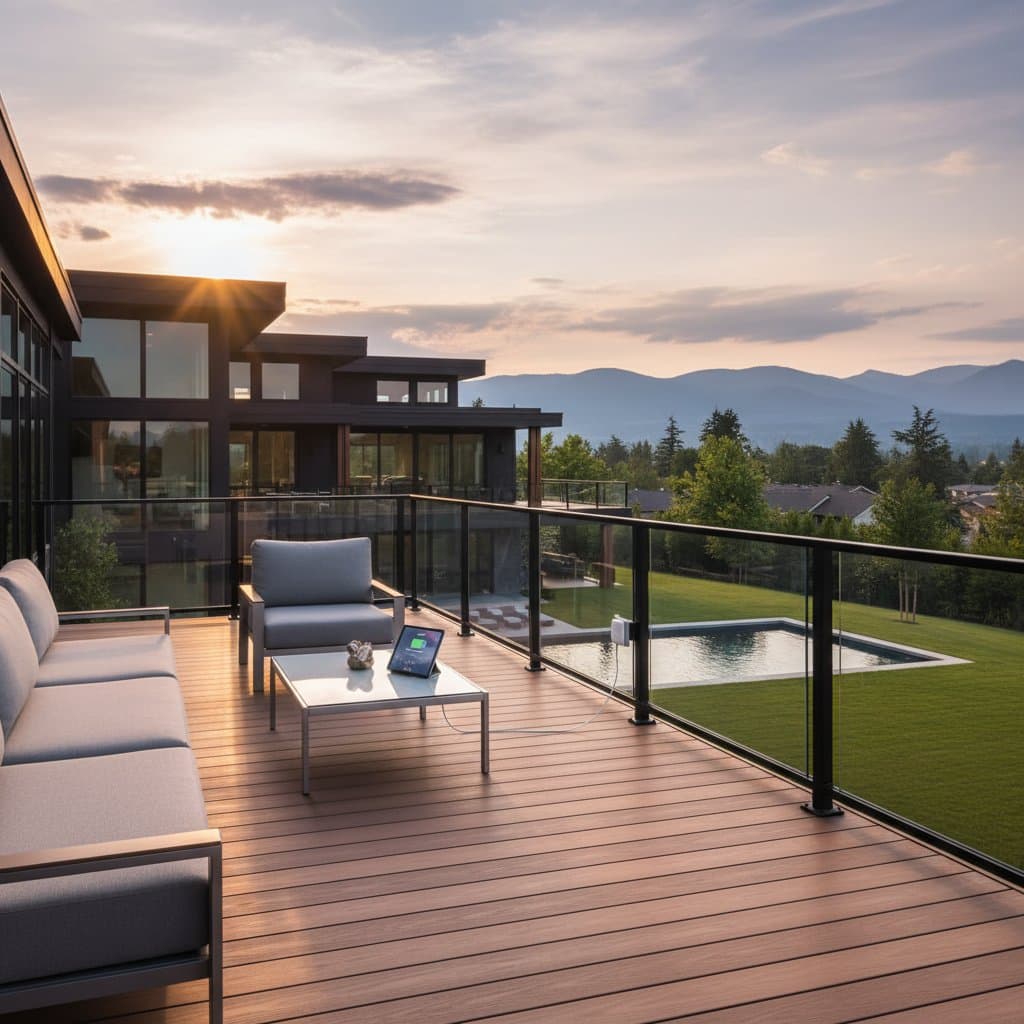
Introduction to Solar Railings
Solar railings represent a seamless fusion of safety, aesthetics, and renewable energy production. These systems replace traditional deck or balcony railings with photovoltaic glass panels that capture sunlight and convert it into usable electricity. Ideal for urban homeowners or those with limited roof space, solar railings offer a discreet way to generate power for outdoor lighting, device charging, and more.
The technology employs tempered glass embedded with solar cells, ensuring durability against weather and impacts. Output typically ranges from 100 to 300 watts per linear foot, depending on panel size and sunlight exposure. Benefits include reduced energy bills, enhanced property value, and a lower carbon footprint, all while maintaining the structural integrity required for guardrails.
Before installation, assess your space's sunlight hours—aim for at least four hours of direct exposure daily. Local building codes often classify these as alternative energy systems, so verify compliance early.
Planning Your Solar Railing Project
Begin by evaluating your deck's dimensions and railing length. Measure the perimeter accurately, noting any curves or obstacles that might affect panel placement. Calculate potential energy yield using online solar calculators tailored to your location's irradiance data.
Select panels certified for railing use, such as those meeting ASTM standards for load-bearing capacity. Consider integration with existing home solar setups or standalone battery storage for off-grid reliability. Budget for permits, which vary by municipality but often cost under $500.
Consult a structural engineer if your deck exceeds 10 feet in height or spans more than 20 linear feet, as additional supports may be necessary.
Step 1: Gather Materials
Acquire photovoltaic glass panels, mounting brackets, and stainless steel hardware resistant to corrosion. Include an inverter compatible with low-voltage DC output and a charge controller to prevent overcharging batteries. Source all components from reputable suppliers to ensure warranties cover at least 10 years.
Prepare tools like a level, drill, and cable strippers. For larger projects, rent a scaffold for safe access.
Step 2: Prepare the Site
Remove existing railings carefully, storing them if reuse is planned. Inspect the deck frame for stability and reinforce posts if needed with pressure-treated lumber. Clear debris and ensure the surface is level to avoid stress on new mounts.
Apply weatherproof sealant to any exposed wood to protect against moisture ingress during installation.
Step 3: Install Mounting Brackets
Secure brackets to deck posts using lag screws rated for outdoor use. Space them every 4 to 6 feet for even distribution. Align brackets precisely with a laser level to guarantee plumb installation, which prevents panel misalignment and shading.
Torque screws to manufacturer specifications, typically 50-70 foot-pounds, to withstand wind loads up to 90 mph.
Step 4: Mount the Panels
Slide panels into brackets and fasten with adjustable clamps. Connect adjacent panels using interlocking edges for a continuous barrier. Verify that the setup meets local height requirements, usually 36 inches for residential decks.
Angle panels slightly toward the sun's path if possible, though vertical orientation suits railings well for year-round capture.
Step 5: Connect the Wiring
Attach cables using waterproof connectors rated IP67 or higher. Route wires through UV-resistant conduit to shield from elements and pests. Label each connection clearly for future reference. This step requires verification or completion by a licensed electrician to comply with National Electrical Code standards.
Use 10-gauge wire for runs under 50 feet to minimize voltage drop.
Step 6: Test the System
Activate the inverter and measure voltage output with a digital multimeter. Compare readings to the system's rated specifications; deviations over 5 percent indicate issues. Inspect each panel connection for secure fittings and clean contacts.
Run a full-day test under clear skies to confirm battery charging and load handling.
Step 7: Add Accessories
Incorporate LED deck lights, USB charging ports, or compact fans powered by the system. Opt for weatherproof models with IP65 ratings. Many advanced setups feature a mobile app for real-time monitoring of energy production and storage levels.
Position accessories to enhance usability, such as outlets near seating areas.
Safety Considerations
Prioritize safety throughout the process. De-energize all circuits before handling wires to avoid shocks. Select only tempered photovoltaic glass engineered for guardrail applications; standard glass lacks the necessary impact resistance.
Maintain a clear 3-foot workspace around the installation site. Wear protective gear, including gloves and safety glasses, during assembly. For elevated decks, use harnesses compliant with OSHA guidelines.
Avoid pressure washing panels, as high force can damage seals. Employ a soft brush with mild soap for cleaning to preserve surface integrity.
Troubleshooting Common Issues
Address problems promptly to sustain efficiency. For low power output, evaluate shading from vegetation or structures—partial obstruction reduces yield by up to 30 percent. Prune overhanging branches or reposition shading elements like umbrellas.
Flickering lights or voltage instability often stem from inverter faults or loose wiring. Tighten terminals and clean corrosion with a contact cleaner.
Condensation within panels signals seal failure. Inspect gaskets for cracks and replace them immediately to avert internal damage.
Persistent underperformance warrants professional intervention. Inverters may fail after five years, and glass microcracks diminish output over time.
Ongoing Maintenance
Solar railings demand minimal effort compared to roof-mounted arrays, thanks to their accessible height. Regular upkeep ensures optimal performance and longevity, often exceeding 25 years.
Wipe panels every two to three months using a microfiber cloth and lukewarm water to remove dust and pollen. Conduct annual wiring inspections for fraying or rust, replacing conduit as needed.
After extreme weather, such as winds over 50 mph or snow accumulation, verify mount security. Tighten any loose fittings to block water entry.
Keep maintenance supplies in an outdoor cabinet for convenience, turning care into a quick routine rather than an occasional chore.
Storage Guidelines
For seasonal removal during renovations or harsh winters, handle panels with care to avoid damage.
- Disconnect the electrical system and tag cables for easy reconnection.
- Cushion each panel with foam padding or felt liners to guard against scratches.
- Position stored panels vertically in a sheltered, dry location away from direct ground contact.
- Maintain batteries at 50 percent charge in a climate-controlled environment between 50 and 77 degrees Fahrenheit.
These practices preserve efficiency and extend the system's service life.
Cost and Timeline Overview
Expect to invest $250 to $400 per linear foot for a complete solar railing system, encompassing panels, hardware, and professional installation. A standard 40-foot deck could total $10,000 to $16,000, with electrical labor adding 10 to 15 percent.
Installation spans one to three days, influenced by deck scale and wiring demands. Monthly cleaning and checks take under an hour, making ownership straightforward.
Factor in incentives like federal tax credits, which can offset up to 30 percent of costs.
Seasonal Care Strategies
Adapt maintenance to weather patterns for consistent output.
In spring, thoroughly clean panels, secure mounts, and remove obstructing foliage to capitalize on increasing sunlight.
During summer, track production closely; elevated temperatures may lower efficiency by 10 to 20 percent, so ensure adequate airflow around panels.
Fall requires clearing fallen leaves and dirt that accumulate and scatter light.
In winter, gently sweep snow with a soft-bristled broom. Refrain from using hot water, which risks thermal shock to the glass.
Professional Assistance Indicators
Engage experts for these scenarios:
- Visible cracks in glass or internal moisture.
- Abrupt declines in voltage from multiple panels.
- Signs of corrosion or melting on connectors.
Timely repairs prevent escalation and maintain warranty validity.
Essential Action Steps
Initiate your project with these practical measures:
- Measure railing lengths and project energy needs based on daily usage.
- Compare photovoltaic options suited to your region's sunlight and financial parameters.
- Schedule a consultation with a certified solar professional to review electrical integration and regulatory approvals.
Implementing solar railings not only powers your outdoor haven but also contributes to a greener future, blending innovation with everyday enjoyment.