
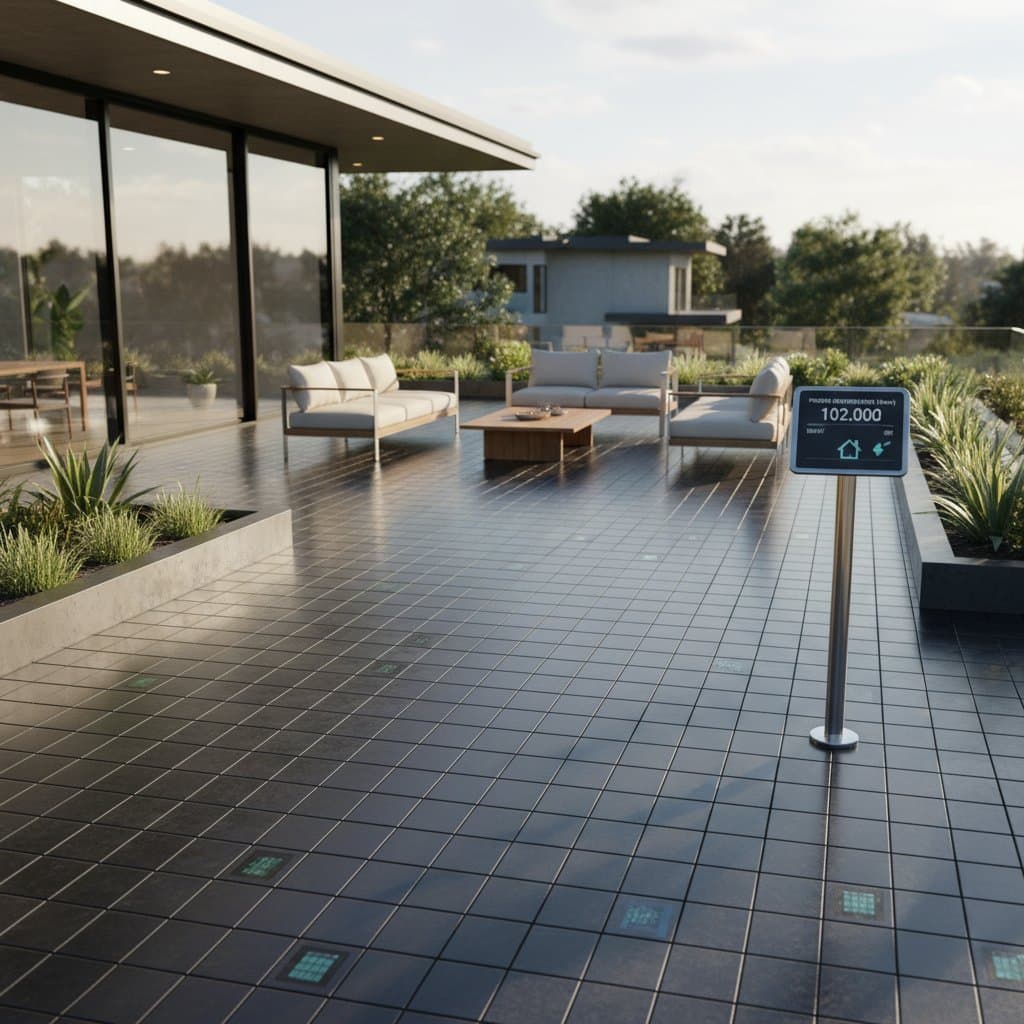
Solar Pavers Turn Your Deck Into a Power Source
Solar pavers represent an innovative way to integrate renewable energy into outdoor living spaces. These durable, tile-like units capture sunlight and convert it into electricity, powering everything from outdoor lights to home appliances. By embedding them into decks, patios, or walkways, homeowners gain a seamless blend of functionality and aesthetics that enhances sustainability without compromising design.
The benefits extend beyond energy savings. Solar pavers reduce reliance on grid power, lower utility bills, and increase property value through eco-friendly upgrades. They withstand foot traffic and weather, making them ideal for urban and suburban settings alike. This guide covers planning, installation, integration, and upkeep to help you harness the sun's potential effectively.
Understanding Solar Pavers
Solar pavers function like miniature solar panels disguised as paving stones. Each unit typically measures 12 by 12 inches and generates 10 to 50 watts depending on size and technology. Arrays of 10 to 20 pavers can produce enough power for low-voltage lighting or charge small batteries.
Key components include photovoltaic cells encased in tempered glass, a frame for stability, and connectors for linking units. Most models integrate LED indicators to show energy production status. Select pavers rated for outdoor use with IP65 water resistance to ensure longevity.
Planning Your Installation
Assess your deck's size and sunlight exposure first. Use a solar pathfinder tool or app to map shadows from trees or buildings throughout the day. Aim for south-facing orientation in the northern hemisphere to maximize efficiency.
Calculate power needs based on intended use, such as illuminating pathways or running a fountain. Consult local building codes for permits, especially if connecting to home wiring. Budget for pavers at 50 to 150 dollars per unit, plus inverter and wiring costs.
Gather materials: solar paver kits, conduit tubing, cable clips, rubber pads, sand for base, and an inverter matched to your array's output. Professional consultation proves valuable for complex setups involving grid tie-ins.
1. Site Preparation
Clear the deck surface of furniture, plants, and loose items. Measure the area to determine paver quantity, allowing 1/8-inch gaps for expansion. Mark layout lines with chalk to guide placement.
For existing decks, verify structural integrity to support added weight, approximately 10 pounds per paver. If retrofitting, remove old sealant or coatings that might interfere with adhesion.
2. Gather Tools and Safety Gear
Essential tools include a level, tape measure, wire strippers, screwdriver set, and drill for mounting. Safety items comprise gloves, safety glasses, and insulated tools to prevent electrical hazards.
Review the manufacturer's manual for specific requirements. Test all components for functionality before starting. Work during daylight to monitor connections clearly.
3. Prepare the Base
If laying new pavers, excavate 2 to 3 inches of surface material and level the area with compacted sand. For wood decks, clean the boards thoroughly and position a rubber pad under each paver tray to minimize vibration and protect the surface.
Ensure the base remains even to avoid stress on connections. Compact the sand in layers using a tamper for stability. This step prevents shifting that could loosen wires over time.
4. Lay and Connect
Position the first row of solar pavers along the deck edge, aligning them precisely. Secure them by snapping or wiring according to manufacturer instructions, ensuring all connections remain dry and firm.
Route wiring through protective conduit toward the inverter or battery storage. Fasten cables with clips spaced every 2 feet beneath the deck to maintain organization and safety.
5. Power Integration
Attach the output lead from the paver array to the inverter input. Connect the inverter to your home electrical system or battery bank as specified. Activate the system and observe the indicator light; a steady green glow confirms active energy generation.
Test the setup by monitoring initial output with a multimeter. Adjust connections if voltage falls below expected levels. Secure all components to resist movement from wind or foot traffic.
Troubleshooting Common Issues
Solar paver systems prove reliable, yet occasional problems arise. Address them promptly to maintain performance.
Problem: Energy output appears lower than anticipated.
Cause: Accumulation of dirt, dust, or partial shading obstructs sunlight.
Fix: Clean tiles using a garden hose and soft brush. Trim overhanging branches or relocate shading elements.
Problem: A specific section fails to register on the monitoring display.
Cause: Loose connectors or damaged wiring disrupt flow.
Fix: Inspect couplings in the affected area. Replace any cracked or corroded plugs immediately.
Problem: The inverter activates shutdown mode frequently.
Cause: Overload exceeds capacity, or moisture infiltrates the housing.
Fix: Verify total wattage aligns with inverter specifications. Elevate the unit and shield it from direct rain exposure.
If wiring displays burn marks or melted insulation, disconnect power and summon a certified electrician for inspection.
Ongoing Maintenance Practices
Solar pavers require minimal upkeep compared to upright panels, thanks to their low profile and wind-resistant design. Regular attention ensures optimal output and durability.
Routine Steps:
- Sweep away dust and leaves weekly to prevent buildup.
- Rinse surfaces monthly with plain water to preserve light transmission.
- Examine connectors every six months for wear.
- Substitute any paver exhibiting internal moisture or delamination.
In colder regions, active tiles accelerate snow melt, but remove heavy accumulations gently to avoid ice dams. Steer clear of metal tools that risk scratching the protective glass layer.
Seasonal Care Guidelines
Anticipate weather shifts with proactive checks. Before intense rain or heat, scrutinize seals and joints for integrity. Clear any standing water or deformed edges promptly.
In winter, ensure conduit lines stay free from ice or frost-induced strain. During extended sunny periods, track energy production; a decline exceeding 15 percent signals the need for cleaning or repairs.
Spring offers an ideal window to validate inverter readings, recharge reserve batteries, and unclog ventilation ports. Late summer facilitates thorough cleaning and assessments ahead of cooler weather.
Optimizing Energy Storage
Pairing solar pavers with battery storage amplifies their utility. Install a compact battery indoors adjacent to the electrical panel or in a ventilated outdoor enclosure. Maintain 6 inches of clearance around it for proper cooling.
Label switches and circuits distinctly for easy identification. Consider a portable power station to capture surplus energy; a 500-watt model charges fully from deck output overnight and supports lights or devices during blackouts.
Engaging Professional Assistance
Certain scenarios demand expert intervention. If your project involves grid connection, high-voltage integration, or structural modifications, hire a licensed solar installer or electrician. They ensure compliance with safety standards and optimize system efficiency.
Professionals also handle warranty claims or advanced diagnostics. For initial consultations, seek certified technicians through local renewable energy associations.
Realizing Sustainable Outdoor Living
Installing solar pavers transforms a simple deck into a productive asset that generates clean power year-round. This upgrade not only trims energy expenses but also contributes to a greener footprint. Enjoy the dual rewards of beauty and efficiency as your outdoor space powers daily life effortlessly.