
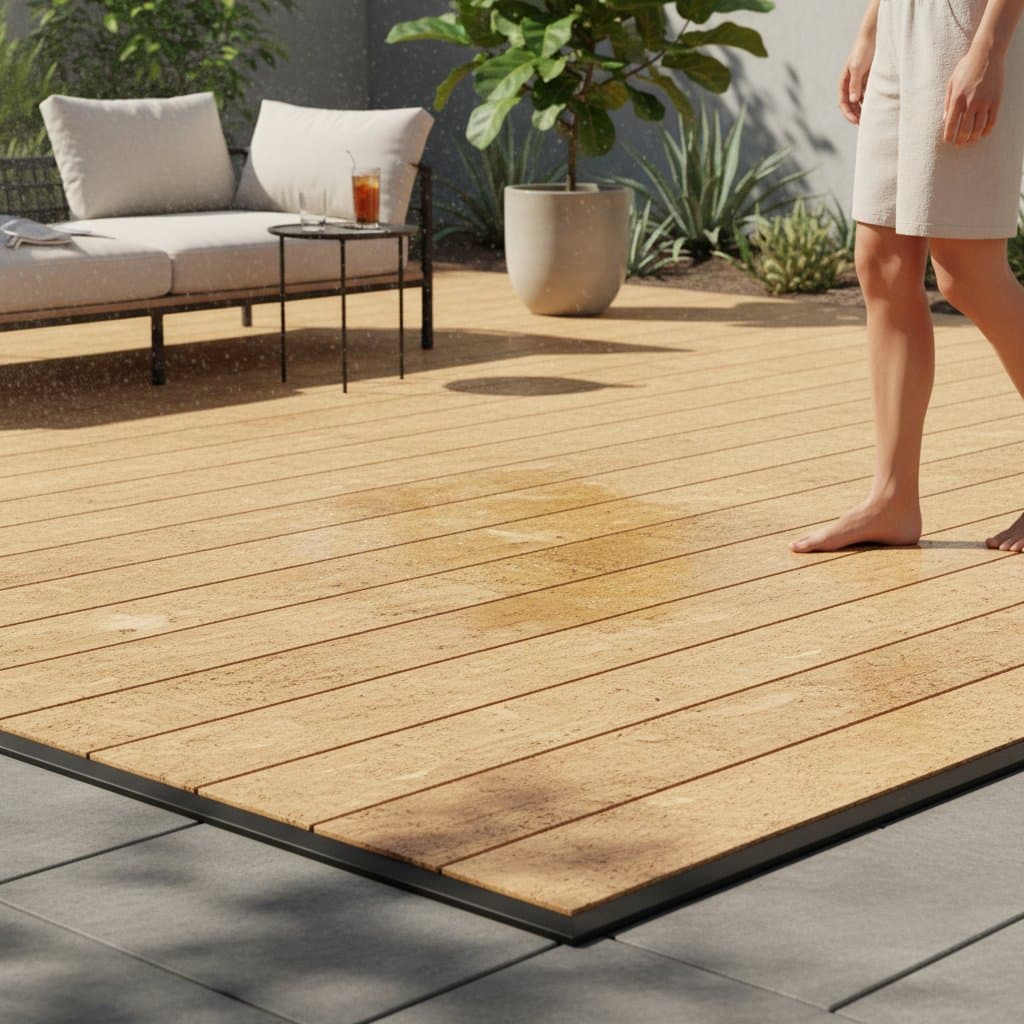
Cork Deck Surfaces: Sustainable and Soft Underfoot
A well-designed deck provides comfort and security with every step. Harsh, slippery, or excessively hot surfaces diminish enjoyment, yet cork decking presents a superior alternative. This material enables the creation of a resilient outdoor environment that prioritizes tactile pleasure and environmental responsibility. The following sections detail cork's properties, required tools, and procedures for installation and upkeep.
Overview
Cork decking derives from the bark of cork oak trees, which regenerates following each harvest and establishes it as a renewable resource. Inherent water resistance, cushioning, and sound absorption characterize cork, rendering it ideal for foot traffic. Unlike traditional wood or composite materials, cork maintains a lower surface temperature under direct sunlight, enhancing usability during warm weather. Homeowners favor cork for its gentle texture, inherent slip resistance, and minimal ecological impact.
With appropriate sealing and maintenance, a cork deck endures for decades. It repels mold, mildew, and pests effectively. Additionally, cork dampens sounds from footsteps or shifting furniture, proving advantageous for balconies and rooftop terraces where noise control matters.
Tools and Materials
Installation requires standard tools, allowing completion of a modest deck in one day or a larger area over a weekend.
Tools:
- Tape measure, level, and chalk line
- Circular saw or fine-tooth handsaw
- Screw gun or drill with appropriate bits
- Rubber mallet and utility knife
Materials:
- Cork decking tiles or planks, typically 12 by 12 inches
- Exterior-grade adhesive or decking screws
- Sealant formulated for moisture and UV resistance
- Edge trim or transition strips
Steps
1. Prepare the Surface
Thoroughly clean the subdeck to eliminate dirt, loose paint, and debris. Ensure the surface remains dry and level. Address minor depressions by applying an exterior-grade patching compound.
2. Measure and Plan
Determine the deck's total length and width with precise measurements. Use a chalk line to mark straight rows for tile placement. Incorporate a 1/4-inch (6-millimeter) expansion gap along all edges.
3. Cut and Test Fit
Employ a fine-tooth saw to trim end pieces accurately. Perform a dry fit of the initial rows to verify alignment. Don gloves and safety glasses during cutting operations.
4. Apply Adhesive or Fasteners
For adhesive-based tiles, apply a uniform thin layer with a notched trowel and press each piece firmly into place. With plank systems, predrill holes and secure with screws, then use a mallet to ensure snug seating.
5. Seal and Finish
After the surface sets completely, brush on two applications of exterior cork sealant. Allow full drying between coats before permitting foot traffic. This process safeguards against moisture ingress and prolongs durability.
Safety Tips
Select sealants with non-slip properties for exterior applications. Refrain from installation in direct sunlight to avoid premature adhesive curing. Wear protective gloves and eyewear whenever cutting or drilling occurs.
Troubleshooting
Should tiles detach post-curing, inspect for moisture entrapment or inconsistent adhesive application. Excise the problematic section, permit thorough drying of the base, and reinstall securely. Address color fading by cleaning the surface and reapplying UV-protective sealant.
Maintenance and Storage
Perform weekly sweeping or gentle rinsing to preserve cleanliness. For intensive cleaning, employ mild soap diluted in water. Steer clear of abrasive chemicals or rigid brushes. Renew the sealant application every two to three seasons, or earlier if water fails to bead on the surface. Store surplus tiles horizontally in a dry, well-ventilated space to facilitate future repairs.
Budget and Time
Expect costs of $7 to $12 per square foot for cork decking, encompassing adhesive and sealant expenses. Complete a compact deck within a single day. Larger projects may require up to two days, accounting for drying intervals. The investment yields a durable, comfortable, and eco-conscious surface with low ongoing maintenance demands.
When to Call a Pro
Engage a professional for decks featuring uneven, deteriorated, or expansive bases exceeding 150 square feet. Inquire about their expertise in outdoor cork sealing and details of warranties covering materials and workmanship.
Steps to Launch Your Cork Deck Project
- Measure the deck dimensions and calculate the necessary tile quantity.
- Request samples from reputable suppliers to evaluate texture and color variations.
- Reserve a weekend with favorable weather for installation and sealing.
Cork decking merges tactile comfort, acoustic benefits, and ecological merits seamlessly. Through methodical preparation and execution with essential tools, homeowners craft an inviting, environmentally sound outdoor haven that aligns with practical budgets and enhances daily living.