
Loading...

Cork Decking for Noise Reduction and Soft, Comfortable Steps | Urban Outdoors NYC | Urban Outdoors - Small-Space Gardens, Rooftop Decks, Balconies, Decks, Backyard Design
Skip to main content
Urban Outdoors
Search
Home
  1. Home
  2. /
  3. Deck Construction & Remodeling
  4. /
  5. Cork Decking Absorbs Noise and Softens Every Step
Deck Construction & Remodeling

Cork Decking Absorbs Noise and Softens Every Step

byDawn Hayden
2025-12-28 04:05:13December 28, 2025
7 min read
Featured image for Cork Decking Absorbs Noise and Softens Every Step

Categories

Navigation

  • Home
  • All Articles
  • About Us
  • Privacy Policy
  • Terms of Service

© 2025 Urban Outdoors. Crafted for bold city dwellers.

2025-12-28 04:05:13
Urban Outdoors - Small-Space Gardens, Rooftop Decks, Balconies, Decks, Backyard Design

Why Cork Decking Quiets Footsteps and Fosters Neighborly Peace

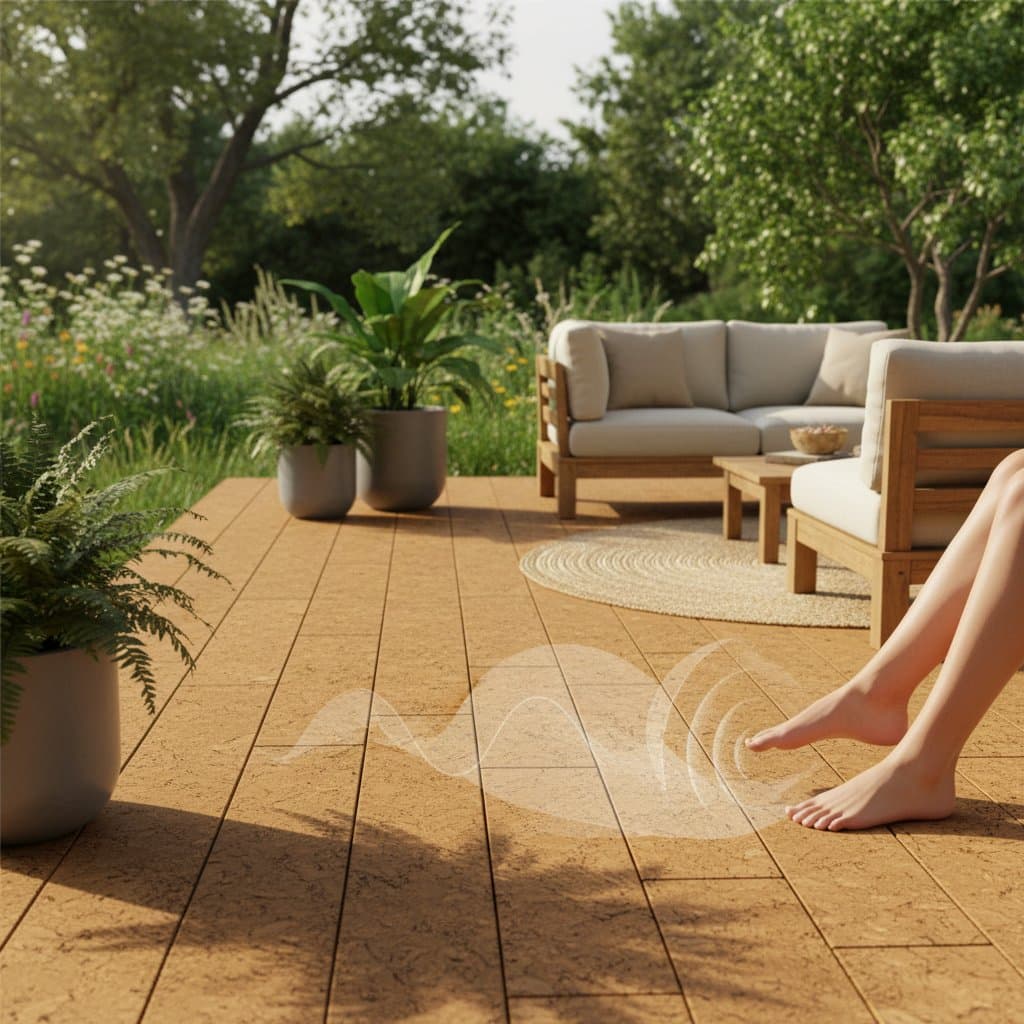
Imagine a serene evening where the usual creak of deck boards gives way to subtle silence, and distant footsteps blend into the background. Cork decking achieves this transformation through its natural sound-absorbing properties and resilient structure. It not only softens impacts but also creates inviting outdoor environments that promote relaxation and maintain positive relations with those nearby.

This comprehensive guide delves into the essence of cork decking, its superior performance in noise reduction and comfort, and practical methods for installation and upkeep. Whether renovating a balcony or enhancing a patio, cork provides a sustainable solution that aligns comfort with environmental responsibility.

Understanding Cork Decking

Cork decking derives from the bark of cork oak trees, harvested without harming the tree, allowing regrowth every nine to twelve years. The material consists of suberin, a waxy substance that forms millions of air-filled cells—approximately 40 million per cubic inch. These cells act as natural shock absorbers, compressing under pressure and immediately rebounding to minimize vibrations and sound transmission.

Beyond acoustics, cork maintains a comfortable temperature, remaining warmer than wood or concrete in cooler weather due to its insulating qualities. It resists moisture and mold growth, making it suitable for humid outdoor conditions. As a renewable resource, cork decking appeals to those prioritizing sustainability, often certified by organizations like the Forest Stewardship Council for ethical sourcing.

In urban settings, such as New York City apartments with shared walls or floors, cork decking reduces noise pollution effectively. Studies indicate it can lower impact sounds by up to 20 decibels compared to traditional wood decks, fostering quieter living spaces without sacrificing aesthetics.

Essential Tools and Materials

Successful installation requires precise tools to ensure a seamless fit and longevity. Gather these items before beginning:

  • Tape measure and straight edge: Essential for precise measurements and straight cuts, preventing gaps or overlaps that could compromise adhesion.
  • Utility knife or fine-tooth saw: A sharp utility knife handles clean trims on cork's flexible surface, while a saw suits thicker planks; opt for one with minimal tear-out to maintain edge quality.
  • Adhesive rated for cork and outdoor use: Choose a high-strength, water-resistant formula like polyurethane-based adhesives, which bond effectively to cork's porous texture.
  • Roller or rubber mallet: These tools secure panels by applying even pressure, eliminating air bubbles and ensuring full contact with the substrate.
  • Outdoor sealant: Select a UV-resistant, penetrating sealant designed for natural materials to shield against weathering and UV exposure.

Panels typically come in 12-by-12-inch or 24-by-24-inch sizes, with coverage varying by thickness—usually 1/4 to 1/2 inch. Calculate total square footage and add 10 percent extra for cuts and waste. Source materials from reputable suppliers to guarantee quality and compatibility.

Installation Process

Installing cork decking demands careful preparation to maximize its benefits. Follow these steps for a professional-grade result that withstands daily use.

1. Prepare the Surface

Begin by thoroughly cleaning the deck base to remove dirt, debris, old adhesives, or loose boards. Sand uneven areas smooth and ensure the surface is level within 1/8 inch over 10 feet to prevent future lifting. For concrete or wood subfloors, apply a primer if recommended by the adhesive manufacturer to enhance bonding. Allow the area to dry completely, ideally for 24 hours, to avoid trapped moisture that could lead to delamination.

2. Measure and Plan Layout

Dry-lay the panels across the surface to visualize the pattern and identify necessary cuts. Account for expansion by leaving a 1/4-inch gap around perimeter edges and fixed objects like posts. Use the straight edge to mark a grid pattern, which distributes seams evenly and strengthens the overall installation. This planning phase typically takes 30 to 60 minutes for a standard 100-square-foot deck.

3. Cut Panels to Fit

Mark cut lines with a pencil and straight edge, then score and snap thinner tiles or saw thicker ones. For irregular shapes around railings or corners, create templates from cardboard for accurate replication. Always cut from the finished side to avoid splintering, and wear protective gloves to handle sharp edges safely. Dispose of scraps promptly to maintain a tidy workspace.

4. Apply Adhesive

Spread adhesive using a notched trowel, achieving ridges about 1/8 inch high for optimal coverage. Work in manageable sections of 3 to 4 square feet to prevent the adhesive from drying before placement. Avoid over-application, which can squeeze out and create uneven surfaces; instead, aim for a tacky consistency that holds panels without slipping.

5. Press Panels and Apply Sealant

Position each panel firmly into the adhesive, starting from the center and working outward. Use a roller to apply consistent pressure, or tap gently with a mallet wrapped in cloth to avoid dents. Once all panels are placed, allow 24 to 48 hours for curing before foot traffic. Finish by brushing on two coats of sealant, waiting 4 hours between applications, to form a protective barrier against rain and sun.

Safety Considerations

Cork generates fine dust during cutting or sanding, which may irritate respiratory systems. Wear a N95-rated mask and perform cuts in a well-ventilated area, using a shop vacuum with a HEPA filter to capture particles. Keep uncured adhesives away from ignition sources, as many are flammable; store tools and materials out of reach of children and pets. Test adhesive in a small area first to check for allergic reactions.

Common Issues and Solutions

Edge lifting often stems from inadequate adhesion or moisture; lift the panel slightly, clean the area, apply a bead of compatible sealant, and repress firmly, weighting it overnight if necessary. Color fading from sun exposure responds well to a fresh sealant coat every one to two years, restoring vibrancy without refinishing. Seepage at seams indicates sealant breakdown—clean joints with a mild detergent, dry thoroughly, and reapply a flexible caulk for waterproofing.

If noise persists post-installation, inspect for loose panels or underlying vibrations; secure with additional adhesive dots. For persistent mold in damp climates, improve subfloor drainage before reapplying panels.

Ongoing Maintenance

Preserve cork decking's performance with routine care. Sweep debris weekly using a soft-bristle broom to prevent grit from abrading the surface. Clean spills immediately with a damp cloth and mild soap solution, rinsing thoroughly to avoid residue buildup. Reapply sealant annually or after heavy exposure to elements, inspecting for cracks or wear.

Avoid harsh chemicals, steam cleaners, or pressure washers, which can erode the protective layer. In colder months, clear snow gently with plastic shovels and avoid salt-based de-icers, opting for sand if traction is needed. Store spare panels horizontally in a climate-controlled space between 50 and 70 degrees Fahrenheit to prevent warping.

Cost Estimates and Timeline

Cork decking materials range from $3 to $5 per square foot, depending on thickness and finish. Factor in $1 to $2 per square foot for adhesive and sealant, plus tools if not already owned—totaling $500 to $800 for a 100-square-foot area. Labor, if hiring out, adds $5 to $10 per square foot.

A DIY project for a small deck fits into one weekend: half a day for prep and layout, another for installation, and curing time overnight. Larger spaces may require two weekends, including drying periods.

Professional Assistance Scenarios

Engage a licensed contractor for complex projects, such as decks over living areas where structural integrity is critical. Professionals assess load-bearing capacity, install vapor barriers for waterproofing, and ensure compliance with local building codes, especially in seismic or high-wind zones. If the subfloor shows rot or instability, they can reinforce or replace it, preventing costly future repairs.

Achieving Lasting Tranquility with Cork

Cork decking delivers immediate improvements in sound control and tactile comfort, enhancing everyday outdoor enjoyment. Begin with a targeted area like a porch step or balcony corner to experience the difference. Invest time in proper sealing and maintenance to extend its lifespan beyond a decade. As quieter steps echo through your space, the ripple effect of harmony extends to neighbors and beyond.

You Might Also Like

Smart Screens Cut Balcony Noise Without Blocking Views

Why Permeable Pavers Stop Water Damage on City Decks

Acoustic Panels Cut Balcony Noise by Half

Acoustic Panels Cut Balcony Noise by 70 Percent

Acoustic Screens Turn Noisy Balconies Into Quiet Retreats

Tagged:

eco,cork,flooring,noise reduction,decking,noise,reduction,friendly,cork-decking,eco-friendly-flooring

Recent by Dawn Hayden

Image for Keep Balcony Plants Alive While You Travel Away

Keep Balcony Plants Alive While You Travel Away

Dec 28, 2025
Image for Why Permeable Pavers Stop Water Damage on City Decks

Why Permeable Pavers Stop Water Damage on City Decks

Dec 27, 2025
Image for Micro Ponds Bring Zen to Your Balcony Space

Micro Ponds Bring Zen to Your Balcony Space

Dec 27, 2025
Image for Balcony Beekeeping Brings Fresh Honey to City Spaces

Balcony Beekeeping Brings Fresh Honey to City Spaces

Dec 27, 2025
Image for Clear Glass Panels That Stop Wind Without Blocking Views

Clear Glass Panels That Stop Wind Without Blocking Views

Dec 26, 2025

eco

Image for Why Permeable Pavers Stop Water Damage on City Decks

Why Permeable Pavers Stop Water Damage on City Decks

Dec 27, 2025
Image for Permeable Rubber Decks Drain Like Gravel Without the Mess

Permeable Rubber Decks Drain Like Gravel Without the Mess

Oct 23, 2025
Image for Microclover Lawns: Less Mowing, No Fertilizer, Greener Grass

Deck Construction & Remodeling

Sunken Fire Pits Transform Decks Into Year-Round Retreats

Elevate your deck into a versatile year-round retreat using the 2025 trend of sunken fire pits. This design merges warmth, elegance, and practicality to form a sheltered space ideal for gatherings. Discover planning, construction, and upkeep strategies that balance safety, drainage, and user comfort.

Dec 28, 2025

Cork Decking Absorbs Noise and Softens Every Step

Cork decking turns bustling outdoor areas into tranquil havens by dampening sounds and providing a gentle underfoot feel. Derived from renewable cork oak bark, it offers warmth, mold resistance, and environmental benefits. This guide covers its advantages, installation process, and care routines to ensure long-term serenity and durability.

Dec 28, 2025

Why Permeable Pavers Stop Water Damage on City Decks

Elevate urban decks using permeable pavers, a sustainable solution that eliminates standing water, mitigates urban heat, and enhances longevity. These surfaces facilitate natural rainwater infiltration, lower upkeep expenses, and maintain cleanliness throughout the year with straightforward installation and enduring aesthetic appeal for city residences.

Categories

Balcony Design(104)
Deck Construction & Remodeling(104)
Rooftop Decks(39)
Small-Space Gardens(38)
Backyard Design(16)

Microclover Lawns: Less Mowing, No Fertilizer, Greener Grass

Oct 18, 2025
Image for Why Cork Decks Stay Cool When Composite Burns Your Feet

Why Cork Decks Stay Cool When Composite Burns Your Feet

Oct 10, 2025
Dec 27, 2025

Fire Pits That Meet Deck Safety Codes

Transform your deck into a safe haven for fires with this comprehensive guide to code-compliant fire pits. Explore selection criteria, installation techniques, maintenance essentials, and troubleshooting to ensure worry-free outdoor warmth.

Dec 24, 2025

Gravel Decks Cut Water Use 60% With Less Maintenance

Gravel decks redefine urban outdoor spaces in 2025 through drought-resistant plants, textured layers, and simple care routines. These designs slash irrigation by up to 60 percent, maintain cooler surfaces, and perform reliably on rooftops or patios. Follow these steps to create and sustain an attractive, eco-friendly gravel deck over a single weekend.

Dec 23, 2025

Shade Sails Drop Deck Temperature 20 Degrees

Elevate your urban deck with sculptural shade sails that provide 20-degree cooling and modern design. This comprehensive guide details material choices, installation steps, seasonal maintenance, and tips for optimal shade and aesthetics on a budget.

Dec 22, 2025

Why Permeable Pavers Are Now Mandatory for Decks

Effective 2025, New York City mandates permeable pavers for all new decks and patios exceeding 100 square feet. These materials promote rainwater infiltration to mitigate flooding, pollution, and winter hazards. This guide explains the regulation, its importance, recommended products, and efficient installation methods.

Dec 21, 2025

Tool-Free Pavers That Transform Patios in Hours

Revitalize patios, balconies, or decks quickly using tool-free composite pavers that assemble by hand. Constructed from recycled materials, these lightweight, weatherproof tiles require minimal upkeep. Discover planning, installation, and care strategies for long-lasting, sustainable outdoor enhancements in 2025.

Dec 21, 2025

Native Wildflowers Need Less Care Than Deck Plants

Elevate your deck with native wildflowers for a low-effort, pollinator-friendly border. These resilient plants deliver year-round beauty, soften harsh lines, and demand little upkeep. Discover planning, planting, and maintenance tips to build a sustainable outdoor haven.

Dec 19, 2025

Permeable Decks Drop Surface Heat by 20 Degrees

Transform your outdoor space with a permeable deck that facilitates water drainage, minimizes surface heat, and eliminates puddles or mold growth. Discover how light-colored, porous materials combined with thoughtful design yield cooler, safer environments. This comprehensive guide addresses planning, construction, upkeep, and cost considerations to maintain comfort throughout the seasons.

Dec 18, 2025

Why Fire Tables Beat Fire Pits on Small Decks

Elevate your small deck with a fire table that delivers warmth, style, and utility. Outshining traditional fire pits in space efficiency and safety, it transforms limited areas into inviting retreats. Discover selection, installation, and care strategies for optimal enjoyment.

Dec 17, 2025

Acoustic Panels Cut Deck Noise by Half or More

Transform a noisy urban deck into a tranquil haven using acoustic panels that absorb echoes and block external sounds. This guide covers planning, installation of durable weatherproof panels, noise reduction strategies achieving up to 50 percent improvement, and maintenance for long-term outdoor peace.

Dec 17, 2025

Compact Pergolas That Fit Tight Urban Decks

Elevate your small urban deck with a compact pergola that delivers shade and seclusion without dominating the space. This guide covers planning, construction, and upkeep to help you create a versatile outdoor haven that suits city living.

Dec 15, 2025

Why Pergola Pods Turn Small Decks Into Real Rooms

Elevate a compact deck into a private, shaded haven using a pergola pod. This lightweight, modular addition provides comfort and versatility for urban living. Follow our guide to installation, customization, and care for an inviting space ideal for relaxation or entertaining.

Dec 12, 2025

Moss Walls Cut Deck Upkeep While Cooling City Spaces

Convert an urban deck into a vibrant, effortless haven using moss walls. These soil-free panels provide year-round greenery, air cooling, noise reduction, and minimal upkeep. Follow guidance on construction, secure mounting, and maintenance for a peaceful, eco-friendly outdoor area.

Dec 12, 2025

Why Gravel Gardens Need Less Water Near Decks

Gravel gardens transform low-water decks into sustainable havens for 2025, blending effortless elegance with practical benefits. These designs mitigate runoff, shield deck surfaces, and demand little upkeep while maintaining a fresh, verdant appeal. Follow these steps to create and sustain a gravel garden that elevates your outdoor experience.

Dec 11, 2025

Glass Railings Stay Ice-Free All Winter Long

Elevate your winter deck experience with glass railings designed to repel ice and frost. This guide covers selecting durable glass types, applying protective coatings, ensuring secure installation, and simple upkeep to preserve transparency and modern appeal amid seasonal challenges.

Dec 10, 2025

Deck Gardens Stay Healthy Without Daily Watering

Struggling with frequent watering for deck plants? Automated systems provide reliable moisture with set-it-and-forget-it convenience. Explore planning, installation, and upkeep for a thriving container garden that saves time and water, keeping plants vibrant even during busy schedules or vacations.

Dec 10, 2025

Mushroom Roots Are Replacing Wood Decks

Mycelium, the root network of mushrooms, redefines decking with a biodegradable option superior to wood and plastics. This guide covers its creation, setup, upkeep, and strategies for longevity, safety, and affordability in green outdoor designs.

Dec 9, 2025

Glass Railings Keep Views Open Without Losing Safety

Elevate your deck with glass railings that merge robust safety and elegant transparency. This comprehensive guide details materials, precise installation techniques, upkeep routines, and financial considerations to craft a timeless, view-enhancing barrier that unites your home with nature.

Dec 9, 2025