
Loading...

AI Self-Watering Balconies: Smart Plant Care for Urban Spaces | urbanoutdoorsnyc.com | Urban Outdoors - Small-Space Gardens, Rooftop Decks, Balconies, Decks, Backyard Design
Skip to main content
Urban Outdoors
Search
Home
  1. Home
  2. /
  3. Small-Space Gardens
  4. /
  5. AI Balconies Learn Your Plants' Water Rhythm
Small-Space Gardens

AI Balconies Learn Your Plants' Water Rhythm

byAnne Marion
2026-04-30 04:59:57April 30, 2026
6 min read
Featured image for AI Balconies Learn Your Plants' Water Rhythm

Categories

Navigation

  • Home
  • All Articles
  • About Us
  • Privacy Policy
  • Terms of Service

© 2026 Urban Outdoors. Crafted for bold city dwellers.

2026-04-30 04:59:57
Urban Outdoors - Small-Space Gardens, Rooftop Decks, Balconies, Decks, Backyard Design

Unlock Thriving Balcony Gardens with AI Self-Watering Systems

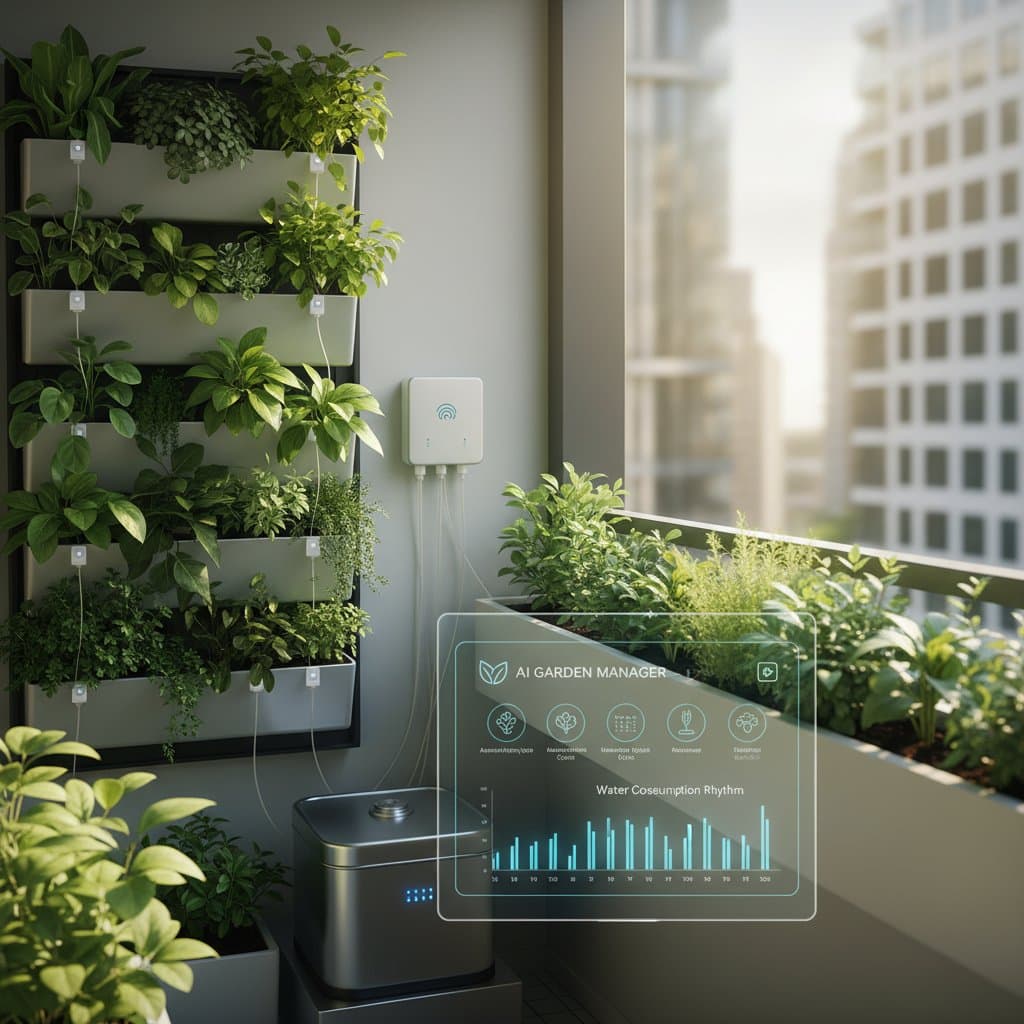
Urban balconies present unique challenges for plant enthusiasts. Limited space restricts root growth, while variable sunlight and rapid evaporation complicate watering routines. Traditional self-watering pots offer convenience, yet they require manual adjustments to match specific plant needs. Artificial intelligence elevates this process by analyzing environmental data and automating care, resulting in healthier plants and reduced effort.

This guide delves into the mechanics of AI self-watering balconies, essential components for assembly, and strategies for optimization. Readers gain insights into sensor functionality, data-driven irrigation, and ongoing maintenance practices. By the end, you possess the knowledge to implement a system tailored to your balcony ecosystem.

Essential Components for Assembly

Assembling an AI self-watering balcony involves selecting reliable parts that integrate seamlessly. Whether purchasing a pre-packaged kit or building from scratch, focus on durability and compatibility with smart technology. Begin with foundational elements to establish a robust watering network.

Core Components

  • Water Reservoir: Select a durable container with a capacity of 1 to 3 gallons (4 to 12 liters). Opt for UV-resistant plastic to withstand outdoor exposure and prevent leaks.
  • Submersible Pump: Choose a low-voltage model (typically 5-12 volts) designed for intermittent use. Ensure it includes a flow rate of 50-100 gallons per hour to distribute water efficiently without overwhelming pots.
  • Soil Moisture Sensors: Install one sensor per pot or every 2 square feet in larger planters. Capacitive sensors provide accurate readings without corroding in moist environments.
  • Central Controller: This device serves as the brain, linking sensors to the pump via Bluetooth or Wi-Fi. Look for models with expandable ports to accommodate future growth.
  • Distribution Tubing: Use 1/4-inch (6 mm) flexible polyethylene tubing. Cut lengths to fit your layout, allowing water to travel from the reservoir to emitters without kinks.
  • Drip Emitters: Position one emitter per plant or per square foot. Adjustable models allow fine-tuning of flow rates from 0.5 to 2 gallons per hour.

Enhancements for Advanced Functionality

  • Light Sensors: These track sunlight intensity and duration, enabling the AI to correlate exposure with watering needs. Place them at canopy level for precise data.
  • Nutrient Injectors: Integrate a slow-release system to dispense diluted fertilizers. Calibrate based on plant type to avoid overfeeding.
  • Solar Power Integration: Attach a 10-20 watt panel with a battery backup for sustainable operation, reducing reliance on household electricity.

Required Tools

  • Precision scissors or a utility knife for tubing cuts.
  • Measuring tape to plan tubing routes and sensor placements.
  • Silicone-based waterproof sealant for connections.
  • Compatible smartphone or tablet for initial app configuration and monitoring.

Investment Overview
A complete system supporting 8 to 15 plants typically ranges from $120 to $300. Individual smart planter units start at $50, offering an entry point for experimentation. Factor in scalability, as many controllers support modular additions.

Prioritizing Safety in Outdoor Installations

Safety forms the foundation of any balcony garden setup, particularly with electrical and water elements involved. Adhere to guidelines that protect both plants and users from hazards. Proactive measures prevent common issues like short circuits or bacterial growth.

  • Employ exclusively low-voltage components (under 24 volts) and outdoor-rated adapters to minimize shock risks.
  • Secure all cords and plugs within weatherproof enclosures, elevated above potential splash zones.
  • Position sensors above drainage levels to avoid submersion, which can lead to inaccurate data or device failure.
  • Perform monthly reservoir cleanings using a mild vinegar solution to inhibit algae and mineral deposits.
  • Clearly label all tubing paths with tags or markers, facilitating quick identification during inspections or repairs.

Regular checks ensure the system operates reliably. Inspect connections after heavy rain or wind events to address any displacements promptly.

Planning Your Budget and Timeline

Effective budgeting aligns costs with functionality, allowing gradual implementation. Time investment varies by scale; a basic setup for six pots requires approximately two hours, including testing. More extensive configurations may extend to four hours, accounting for calibration.

Detailed Cost Breakdown

  • Central controller with app integration: $80 to $150.
  • Pump, tubing, and emitters: $30 to $60.
  • Individual moisture sensors: $10 to $20 each.
  • Optional solar charging kit: Around $40.

Start modestly with one or two planters to test compatibility before full expansion. Most platforms permit sensor additions via software updates, minimizing disruption.

Cost-Effective Alternatives

  • Repurpose a sturdy recycled plastic container as the reservoir, ensuring it holds water without warping.
  • Select flexible drip lines over rigid pipes for easier routing in tight spaces.
  • Defer advanced features like nutrient injectors until core operations stabilize.

Invest in quality sensors from the outset. Inferior models degrade rapidly, causing erratic readings and inefficient water use that offsets initial savings.

Organizing Supplies for Efficiency

Streamlined storage enhances usability and maintains a clutter-free balcony. Designate dedicated spaces for components to streamline refills and adjustments. Thoughtful organization reduces maintenance time and prevents accidents.

Maintain a compact storage bin for essentials: spare tubing segments, quick-connect fittings, and cleaning brushes. Group fertilizers in clearly marked containers, noting exact dilution instructions for each type. A narrow funnel simplifies reservoir filling without spills.

Utilize vertical space with wall-mounted racks for unused pots, pruning shears, and gloves. This arrangement keeps walkways clear and protects electrical elements from moisture. If feasible, affix the controller at waist height on a protected wall surface for convenient access and monitoring.

Adapting to Your Balcony's Ecosystem

Over the initial weeks, observe plant responses to fine-tune the AI algorithms. Systems refine watering patterns based on accumulated data, such as evaporation rates and growth stages. Consistent input yields increasingly precise automation.

Monitor for signs of imbalance, like yellowing leaves indicating under-watering or root rot from excess. Adjust sensor thresholds through the app to accommodate seasonal changes, such as increased summer humidity. Document successful configurations for reference during off-seasons.

As familiarity grows, integrate additional data sources like temperature probes. This holistic approach fosters resilience, enabling your balcony to support diverse species year-round.

Implementing Sustainable Practices

Sustainability extends the lifespan of both your system and plants. Regularly update firmware via the app to incorporate improved AI models. Recycle water from household sources, like cooled cooking runoff, to conserve resources.

Engage with community forums for troubleshooting tips, though adapt advice to your setup. Track water usage metrics to optimize efficiency, potentially reducing consumption by 30 percent over manual methods.

Actionable Steps for Launch and Growth

  1. Initiate with a trial setup involving two to three pots, monitoring daily for the first week.
  2. Schedule weekly sensor verifications and reservoir top-offs to build reliable data patterns.
  3. Expand the network once metrics indicate stable hydration levels, adding plants gradually.

These steps position your balcony for long-term success, blending technology with nature for a rewarding urban oasis.

You Might Also Like

AI Mirrors Double Sunlight for Shaded Balcony Gardens

Balcony Misting Systems Drop Temperature 20° Fast

Balcony Gardens Thrive on Recycled Household Water

Solar Shade Sails Cut Cooling Costs and Power Deck Lights

Create a Balcony Pond in 18 Inches or Less

Tagged:

garden,smart irrigation,smart,care,automated,plant,balcony,irrigation,ai-plant-care

Recent by Anne Marion

Image for Create a Night-Blooming Balcony Garden That Thrives

Create a Night-Blooming Balcony Garden That Thrives

Apr 30, 2026
Image for Build Living Shade That Cools Your Roof 15 Degrees

Build Living Shade That Cools Your Roof 15 Degrees

Apr 29, 2026
Image for Deck Bench Composters Convert Kitchen Scraps to Soil

Deck Bench Composters Convert Kitchen Scraps to Soil

Apr 27, 2026
Image for Solar Shade Sails Cut Cooling Costs and Power Deck Lights

Solar Shade Sails Cut Cooling Costs and Power Deck Lights

Apr 26, 2026
Image for Create a Balcony Pond in 18 Inches or Less

Create a Balcony Pond in 18 Inches or Less

Apr 26, 2026

garden

Image for AI Mirrors Double Sunlight for Shaded Balcony Gardens

AI Mirrors Double Sunlight for Shaded Balcony Gardens

Apr 29, 2026
Image for Create a Balcony Pond in 18 Inches or Less

Create a Balcony Pond in 18 Inches or Less

Apr 26, 2026
Image for AI Garden Cams Spot Plant Stress Before You Can See It

Small-Space Gardens

AI Mirrors Double Sunlight for Shaded Balcony Gardens

Overcome balcony shade with AI mirrors that track and redirect sunlight to boost plant health. This guide covers installation, maintenance, and benefits like reduced energy costs for year-round urban gardening success.

Apr 29, 2026

AI Garden Cams Spot Plant Stress Before You Can See It

Elevate your urban garden with AI cameras that track light, moisture, and growth in real time. Eliminate guesswork in plant care through app alerts and insights, ideal for balconies and rooftops facing city challenges.

Apr 21, 2026

AI Watering Systems Cut Garden Work by Half

Eliminate uncertainty in plant care with AI-driven irrigation. These systems employ sensors and predictive analytics to automate watering, slashing time spent on chores while ensuring efficient resource use and lush results in limited spaces.

Apr 18, 2026

Categories

Deck Construction & Remodeling(246)
Balcony Design(209)
Rooftop Decks(87)
Small-Space Gardens(87)
Backyard Design(22)

AI Garden Cams Spot Plant Stress Before You Can See It

Apr 21, 2026
Image for AI Watering Systems Cut Garden Work by Half

AI Watering Systems Cut Garden Work by Half

Apr 18, 2026
Image for Turn Your Balcony into a Pollinator Refuge

Turn Your Balcony into a Pollinator Refuge

Mar 19, 2026

Solar Drips Water Your Balcony Garden Automatically

Convert your balcony into a low-maintenance garden paradise using solar-powered drip irrigation. This sustainable solution harnesses sunlight to deliver precise watering, conserving resources while promoting healthy plant growth. Discover planning, installation, and upkeep strategies to sustain vibrant urban greenery throughout the year.

Apr 14, 2026

Water 40 Plants from One Bottle with Micro-Drip

Elevate your balcony garden with a micro-drip irrigation system that hydrates up to 40 plants from one bottle. This guide covers setup instructions, troubleshooting, seasonal care, and ways to achieve water-efficient, low-effort plant health in city spaces.

Mar 31, 2026

Garden Walls That Block 70% City Noise in Small Spaces

Convert a bustling urban balcony or patio into a tranquil haven using a garden wall that diminishes up to 70 percent of city noise. This guide covers selecting optimal materials, installing sound-absorbing panels, incorporating plants, and performing upkeep to achieve enduring noise mitigation, seclusion, and aesthetic appeal in just one weekend.

Mar 21, 2026

Turn Your Balcony into a Pollinator Refuge

Elevate your balcony into a flourishing pollinator retreat featuring native flowers, basic equipment, and thoughtful maintenance. This guide demonstrates how modest planters can support bees and butterflies, boost city biodiversity, and add vivid hues to apartment living with limited space, expense, and mere minutes of daily attention.

Mar 19, 2026

Native Plants Turn Balconies into Bee Havens

Elevate your balcony into a vibrant pollinator sanctuary by incorporating native plants that support bees year-round. This guide covers plant selection for diverse blooms, optimal setup in containers, essential care routines, and strategies to ensure safety and longevity in compact urban spaces.

Mar 16, 2026

AI Sensors Cut Water Waste and End Plant Guesswork

Elevate your balcony or windowsill garden using AI sensors that track soil, light, and nutrients instantly. Discover automation techniques to cut water use, avoid plant distress, and streamline maintenance for precise, rewarding results in urban settings.

Mar 12, 2026

Balcony Gardens That Feed City Bees in 5 Containers

Turn a compact balcony into a vital habitat for pollinators using simple containers and native flora. This practical guide details plant selections, setup tips, and maintenance routines that draw bees, support ecosystems, and elevate city greenery.

Mar 12, 2026

AI Cuts Balcony Watering Work by Half

Transform your urban balcony into a vibrant garden using AI-powered watering technology. Intelligent sensors and mobile applications eliminate uncertainty in plant hydration, conserve resources, and maintain lush growth. Discover setup methods, personalization options, and upkeep strategies that require no advanced horticultural skills, only innovative tools.

Mar 8, 2026

Using Plants to Block Noise in Tiny City Gardens

Turn a bustling urban garden into a tranquil haven by leveraging plants to dampen noise. Dense shrubs, varied greenery layers, and textured plants work together to absorb and redirect sound waves. Gain insights into optimal plant selections, arrangement techniques, and upkeep advice for a vibrant, noise-mitigating retreat.

Mar 6, 2026

Plants That Absorb City Noise on Small Balconies

Turn a bustling city balcony into a tranquil haven using sound-absorbing plants. This guide covers optimal choices like bamboo, ferns, vines, and evergreens, plus arrangement strategies, container tips, and upkeep advice to enhance quiet and aesthetics in limited spaces.

Mar 3, 2026

Turn 100 Square Feet Into a Thriving Urban Meadow

Revitalize neglected urban corners into serene, pollinator-friendly meadows within 100 square feet. Explore practical steps for site assessment, selecting native plants, installation, and ongoing care to foster biodiversity and tranquility in city environments.

Feb 27, 2026

Balcony Fish Tanks Feed Plants While Cleaning Water

Convert your balcony into a compact, self-sustaining garden using aquaponics. Fish provide nutrients for plants, which in turn cleanse the water, enabling continuous harvests of lettuce and herbs. Explore setup, maintenance, and tips for efficient urban food production that reduces costs and environmental impact.

Feb 27, 2026

Silent Drip Tape Solves Deck Container Watering

Convert a compact deck into a vibrant garden using silent drip tape. This low-pressure system delivers precise hydration to container plants without generating noise or wasting resources. Follow steps to plan, install, and maintain the setup for reliable moisture, reduced maintenance, and an enhanced urban outdoor space.

Feb 22, 2026

Fish Waste Feeds Plants in 4x6 Feet of Space

Convert your balcony into a self-sustaining food system with aquaponics, where fish and plants support each other in a closed-loop setup. This guide details how to design, assemble, and maintain a compact system in a 4x6-foot space, yielding fresh greens and nutritious fish while conserving water and eliminating synthetic fertilizers.

Feb 16, 2026

Dwarf Fruit Trees Turn Balconies into Productive Orchards

Transform your balcony into a productive micro-orchard with dwarf fruit trees designed for containers. These compact varieties deliver full-sized flavor from citrus, figs, apples, peaches, and cherries. Follow expert guidance on selection, setup, and maintenance to harvest fresh fruit, add seasonal beauty, and create a serene urban retreat.

Feb 16, 2026

Build Living Walls That Block Urban Noise

Urban noise can disrupt outdoor enjoyment, but a well-designed living wall offers an effective solution. This guide details how to construct an acoustic plant barrier that reduces sound, boosts greenery, and improves air quality in compact yards. Follow these practical steps to install a sustainable feature that requires minimal ongoing effort.

Feb 15, 2026

AI Drip Systems End Uneven Deck Garden Watering

Elevate your deck garden with AI-powered drip irrigation that maintains ideal soil moisture through sensors, intelligent controls, and adaptive algorithms. This guide covers planning, setup, and optimization for a hassle-free, eco-friendly watering solution tailored to urban outdoor spaces.

Feb 14, 2026