
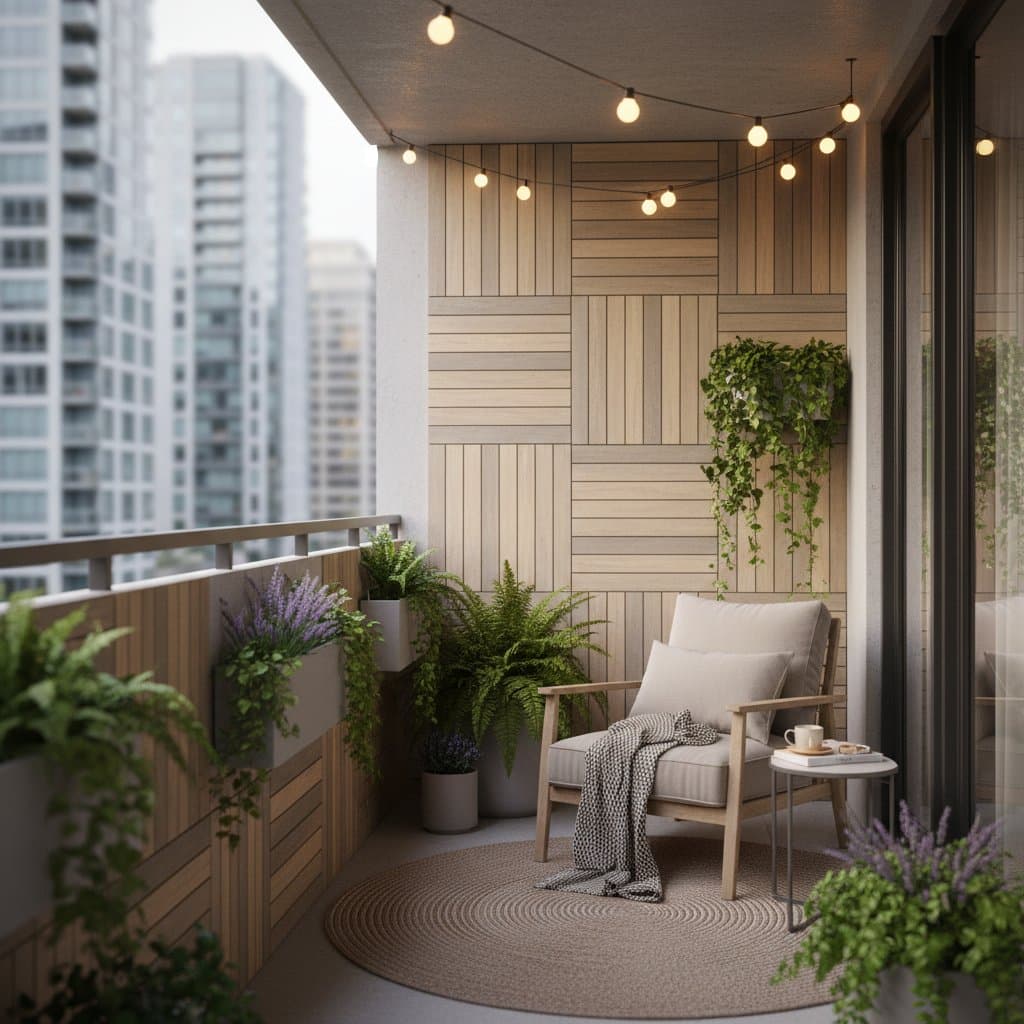
Balcony Bliss: Acoustic Panels Block Urban Noise
City life pulses with rhythm and energy, yet constant noise from traffic, construction, and neighbors often overwhelms small outdoor spaces like balconies. This persistent din disrupts relaxation and privacy. Outdoor acoustic panels offer an effective solution by absorbing sound waves and creating a more serene environment. This guide explains the function of these panels, provides detailed installation instructions, and covers maintenance practices to ensure long-term performance.
Overview
Acoustic panels consist of specialized materials designed to absorb sound waves and prevent them from reflecting off surfaces. In balcony settings, these panels minimize echoes and reduce incoming noise from streets or adjacent buildings. The objective remains comfort rather than total silence; a reduction of 5 to 10 decibels already creates a substantial improvement in perceived quietness.
Properly installed outdoor-rated panels can absorb up to 70 percent of reflected sound. They also enhance privacy by dampening voices and other disturbances. For urban dwellers with nearby neighbors, this upgrade proves particularly valuable.
Tools and Materials
Assemble all necessary items prior to beginning the project to complete the installation efficiently. For a typical small balcony, the following supplies suffice:
- 4 to 6 outdoor acoustic panels, each measuring approximately 24 by 48 inches
- Mounting brackets or heavy-duty hooks suitable for exterior applications
- Screws and anchors matched to the wall material, such as masonry or wood
- Measuring tape and a spirit level for precise alignment
- Cordless drill equipped with appropriate driver bits
- Weatherproof sealant to protect screw entry points
- Safety gloves and protective eyewear
Select panels made from fabric, foam, or composite materials explicitly rated for outdoor use. These withstand moisture, UV radiation, and temperature fluctuations without degrading.
Steps
Step 1: Plan the Layout
Begin by measuring the height and width of balcony walls or railings. Identify the primary noise source, such as the street below or an adjacent building, and prioritize that area for panel placement. Maintain a minimum 1-inch air gap behind each panel to allow sound waves to dissipate effectively.
Step 2: Mark the Mounting Points
Employ the measuring tape and spirit level to designate positions with uniform spacing. Position panels 2 to 3 feet above the balcony floor to optimize sound absorption. Consistent placement ensures both functional performance and an aesthetically pleasing arrangement.
Step 3: Drill and Attach Brackets
Create pilot holes using the cordless drill to accommodate the screws. For concrete or brick surfaces, insert plastic wall anchors before securing the brackets. Apply weatherproof sealant around each penetration to guard against moisture ingress and corrosion.
Step 4: Mount the Panels
Secure each panel to its bracket via hooks or bolts. Verify alignment with the spirit level and make adjustments for even distribution. Panels must attach firmly to resist wind but retain slight flexibility to accommodate vibrations.
Step 5: Test the Sound Reduction
Retreat a few steps and evaluate the acoustic changes. Expect a noticeable softening of tones and diminished echoes. If residual noise persists, install additional panels in corners, where sound tends to accumulate.
Safety Tips
- Employ a stable ladder or step stool when accessing elevated areas.
- Avoid placing panels near sources of open flame or heating elements.
- Consult building management regarding installation permissions, especially for shared structures.
- Wear gloves throughout to protect against sharp edges on metal components.
Troubleshooting
Should the panels underperform, inspect for common issues:
- Loose fittings: Secure all screws to eliminate rattling during wind.
- Gaps between panels: Seal with weatherproof foam strips to enhance coverage.
- Inappropriate material: Confirm the panels carry outdoor acoustic ratings beyond mere decoration.
In cases of moisture accumulation behind panels, detach them, dry the surface thoroughly, and reinstall using small spacer blocks to promote ventilation.
Maintenance and Storage
Outdoor panels require routine attention to preserve efficacy. Every few months, remove surface dust or pollen using a soft-bristled brush. After exposure to rain, ensure complete drying prior to any cleaning.
Conduct inspections for fabric fading, hardware rust, or structural wear. Replace compromised fasteners immediately to maintain integrity.
For winter storage, detach the panels, clean them gently, and store upright in a dry, sheltered location such as a garage. Encase each in breathable fabric or plastic sheeting to avoid surface damage.
Budget and Time
A complete set of six panels typically ranges from $150 to $300, varying by manufacturer and material quality. With tools assembled, the installation process takes two to three hours.
When to Call a Professional
For balconies with concrete walls or in condominium settings, engage a licensed installer to assess structural constraints. Inquire about permissible mounting techniques and load-bearing capacities to comply with regulations.
Seasonal Reminders
Perform checks each season for:
- Loose screws or panels displaced by strong winds.
- Indications of mold or mildew growth.
- Color changes in fabrics due to prolonged sun exposure.
Well-maintained outdoor acoustic panels endure three to five seasons. Consistent upkeep sustains both appearance and acoustic benefits.
Your Next Steps
- Measure the balcony dimensions and pinpoint the dominant noise direction.
- Select panels certified for outdoor conditions that suit local climate.
- Complete the installation in one afternoon to immediately benefit from reduced noise and increased privacy.
Such targeted enhancements simplify urban living. Through careful planning and ongoing care, reclaim tranquility on your balcony amid the city's constant hum.