
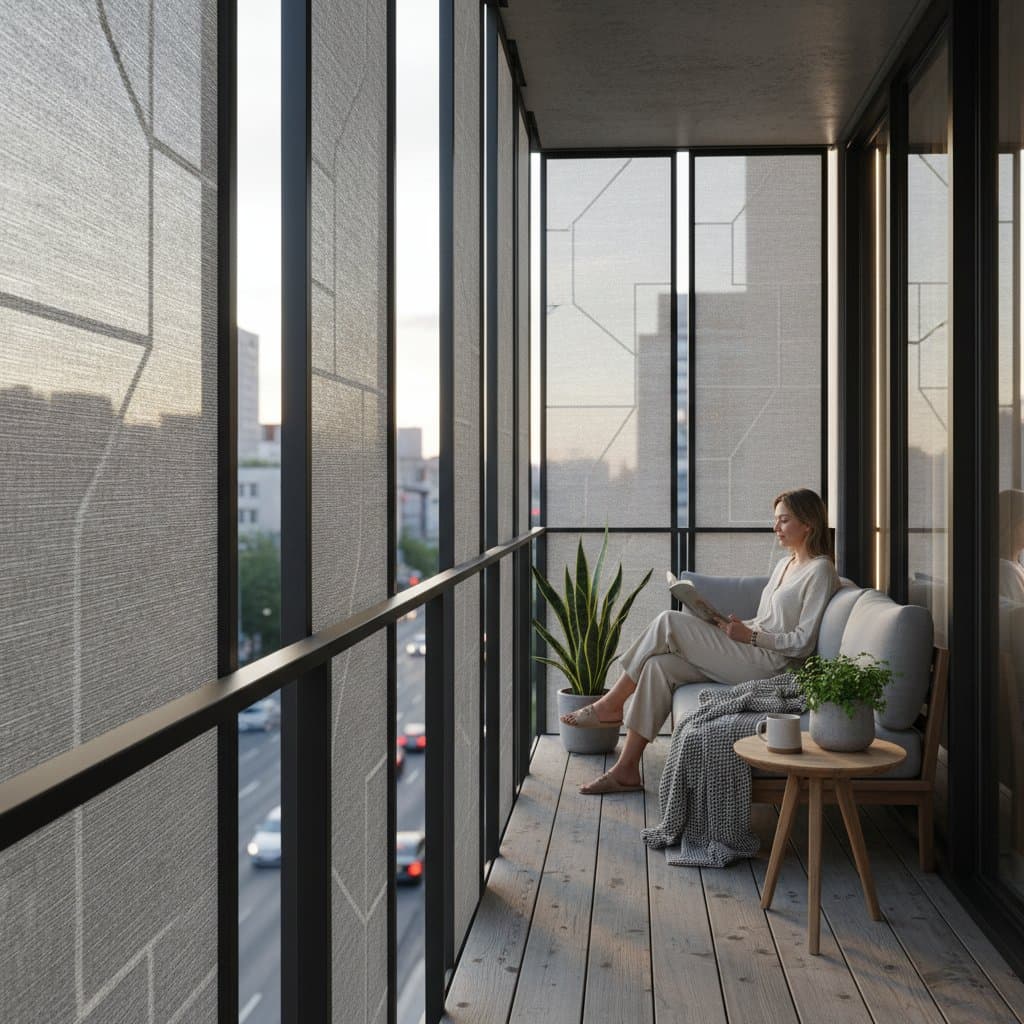
Step 4: Mount the Acoustic Screen
Position the panels by sliding or hooking them into the prepared frame. For designs with grommets, pass tension cables through the reinforced holes to secure the fabric firmly. Maintain even tension across the surface to avoid sagging, but refrain from over-tightening, which might cause rips during gusty conditions.
Address potential sound entry points by applying weatherproof tape or silicone sealant along all edges. Any opening wider than half an inch permits noise infiltration, compromising the overall acoustic barrier. Inspect the setup under various light conditions to confirm complete coverage.
Step 5: Test and Adjust
Step away from the balcony and evaluate the ambient sound levels. A well-installed system delivers a clear reduction in intrusive noises from traffic or neighbors. Persistent sounds from uncovered areas suggest the need for supplementary elements, such as angled corner panels or an overhead baffle to redirect airflow and sound.
Fine-tune the configuration based on initial observations. Minor repositioning of cables or addition of weights at the bottom can enhance performance by multiple decibels. Document the before-and-after noise levels using a smartphone app for precise measurement and future reference.
Troubleshooting Common Issues
Effective balcony screens require attention to environmental factors. Below are solutions for frequent challenges encountered during use.
Screen Flaps in the Wind
Wind can disrupt the stability of larger installations. Increase tension on the cables or incorporate cross braces made from lightweight aluminum. For panels exceeding four feet in width, install two horizontal supports approximately three feet apart to distribute force evenly and prevent billowing.
Noise Levels Remain Elevated
If reduction falls short of expectations, examine for unintended gaps along sides or at junctions. Nearby hard surfaces like concrete barriers or glass windows often reflect sound waves back into the space. Introduce compact acoustic absorbers in corners or integrate dense foliage to diffuse reflections and absorb residual echoes.
Water Accumulation at the Base
Moisture buildup threatens the longevity of the materials. Elevate the lower edge of the screen by at least a quarter inch using durable rubber spacers to facilitate natural drainage. Slope the frame slightly toward the balcony's edge if the design permits, ensuring water flows away from structural components.
Fabric Degradation from Exposure
High-quality outdoor acoustic fabrics endure direct sunlight for three to five years under typical conditions. Monitor for color fading or small tears, particularly in high-traffic areas. Promptly replace affected sections to sustain optimal sound absorption, as compromised material diminishes effectiveness over time.
Proper Storage Practices
Removable panels benefit from careful offseason handling to extend their lifespan. Place them in a breathable fabric bag or a protective cardboard tube to shield against dust and humidity. Store upright in a cool, dry location, avoiding sharp folds that could damage the internal sound-absorbing core. Clearly label each piece with its designated position to streamline seasonal setup.
Seasonal Maintenance Schedule
Regular care ensures screens perform reliably year-round. Adapt routines to weather patterns for maximum durability.
Spring Preparation
Begin the season with a thorough cleaning using mild soap and soft brushes to remove winter residue. Examine seams and edges for wear, applying fresh sealant where necessary. For wooden frames, apply a protective oil coat to prevent cracking from temperature fluctuations.
Summer Upkeep
Enhance acoustic benefits by incorporating shade-providing plants or complementary outdoor curtains that further dampen sound. Regularly clear any vents or intentional air gaps to maintain proper circulation and prevent overheating of the fabric.
Fall Inspection
Clear accumulated leaves and debris from mounting brackets to avoid corrosion. Conduct a detailed check for rust spots or mildew growth, treating affected areas with appropriate cleaners before colder weather sets in.
Winter Protection
Gently remove any snow or ice buildup with a soft broom to avoid stressing the material. If feasible, relocate portable panels to an indoor space during harsh freezes, protecting them from extreme elements.
Essential Insights
Acoustic balcony screens function by absorbing and blocking sound waves, achieving reductions of up to 15 decibels in urban settings. Select materials rated at an NRC of 0.6 or above to guarantee robust outdoor efficacy. Secure installation with sealed edges minimizes sound leakage and maximizes quiet zones.
Ongoing maintenance through cleaning and inspections preserves both functionality and appearance. Pair screens with natural elements like potted plants or fabric drapes to amplify tranquility and aesthetic appeal. This combination transforms standard balconies into inviting sanctuaries amid city clamor.
Practical Actions to Begin
Start with a targeted approach by addressing the primary noise direction first. Install panels on one side and assess the improvement in serenity. Expand to a complete enclosure once the benefits prove worthwhile.
Consider these immediate steps:
- Measure balcony dimensions accurately and identify dominant noise origins, such as nearby streets or ventilation systems.
- Investigate supplier options for acoustic screens, prioritizing those with verified outdoor durability and specific NRC ratings.
- Outline your installation plan, listing required tools like drills, levels, and sealants to prepare efficiently.
With thoughtful implementation, any urban balcony gains a layer of peace, allowing residents to enjoy fresh air without the constant din.