
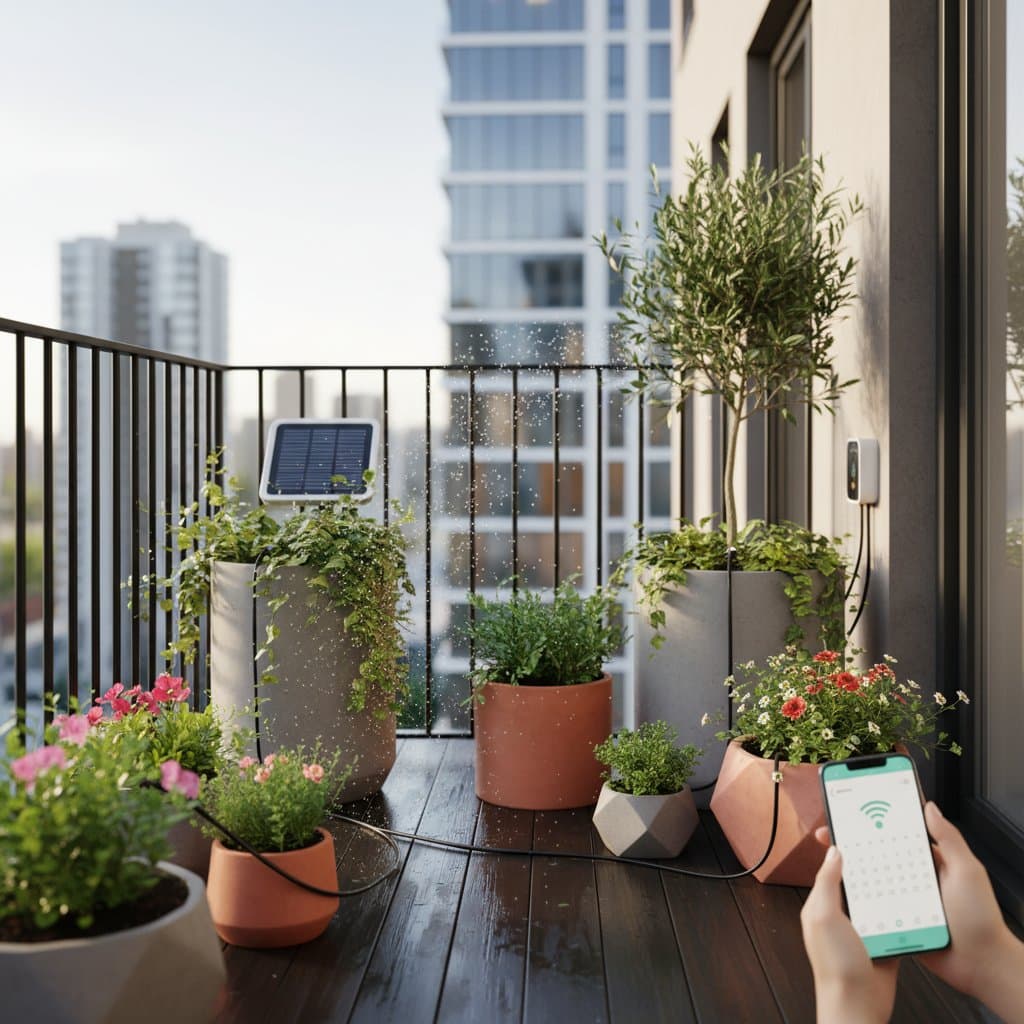
Introduction to Balcony Drip Irrigation
Urban balconies offer limited space for gardening, yet they provide an ideal setting for growing herbs, flowers, and vegetables. Manual watering becomes challenging during travel or busy schedules, often leading to wilted plants or wasted efforts. A micro drip irrigation system addresses these issues by delivering precise amounts of water directly to plant roots, ensuring consistent hydration without overflow or evaporation.
This guide explains how to automate balcony watering effectively. Readers gain practical knowledge on selecting components, installing the system, and maintaining it for long-term success. The result is a thriving garden that requires minimal intervention, allowing more time for enjoyment rather than upkeep.
Planning Your System
Assess the balcony layout before purchasing materials. Measure the area and count the number of pots or planters that require watering. Consider plant types, as thirsty species like tomatoes need more emitters than succulents.
Determine the water source. Most systems connect to an indoor faucet via a hose, but battery-operated timers work well for renters. Sketch a simple diagram showing the main tubing line and branch points to emitters. This planning prevents errors during installation and ensures even coverage.
Budget for essentials: tubing, emitters, a timer, and connectors typically cost between 40 and 80 dollars for a basic setup. Factor in UV-resistant materials to withstand sun exposure. Allocate time for the project, which usually takes two hours once parts arrive.
Selecting Components
Choose 1/4-inch micro tubing for flexibility in tight spaces. Pressure-compensating emitters maintain consistent flow regardless of elevation differences on the balcony. Select a timer with adjustable intervals, such as every two to three days, based on local climate and season.
Opt for a reservoir or connect to a faucet with a pressure regulator to avoid damaging delicate parts. Stakes or weights secure tubing along railings or pot edges. Verify that all components are food-safe if growing edibles, preventing chemical leaching into soil.
For advanced options, consider solar-powered timers to eliminate battery changes. These integrate easily with small pumps for elevated planters. Test compatibility by reviewing product specifications for flow rates and durability ratings.
Installation Steps
Gather tools: scissors, a drill for mounting if needed, and Teflon tape for leak-proof connections. Begin by attaching the timer to the water source. Run the main line along the balcony perimeter, securing it with clips every 12 inches to prevent sagging.
Punch holes in the tubing where emitters will connect, using a provided punch tool. Insert emitters near each plant base, aiming for one to two per pot depending on size. Adjust flow rates to match soil needs; start low and observe.
Connect the system and run a test cycle. Check for leaks at joints and ensure water reaches all areas. Fine-tune the timer settings after 24 hours, monitoring soil moisture with a finger test. Secure loose ends to avoid tripping hazards.
Daily Operation Tips
Set the timer for short bursts, such as 10 to 20 minutes, two to three times weekly during peak growth. This mimics natural rainfall without saturating soil. Place a catch tray under pots to collect drips and reuse water if possible.
Monitor weather changes. Reduce frequency during rainy periods to prevent root rot. Integrate the system with a rain sensor for automatic pauses, enhancing efficiency. Record settings in a notebook for adjustments over time.
Encourage beneficial habits by grouping plants with similar needs together. This zoning simplifies management and optimizes water use. Observe plant responses weekly to refine the setup further.
Troubleshooting Common Issues
Dry plants after several days signal potential blockages in emitters. Minerals from hard water or algae growth cause these clogs over time. Soak affected parts in a solution of equal parts vinegar and water for 10 minutes, followed by a thorough rinse under running water.
Low water pressure often results from kinked tubing or leaks at connectors. Inspect lines for bends and straighten them carefully. Replace any brittle or cracked sections immediately to restore flow. For uneven distribution, install lower-flow emitters or split the system into separate zones controlled by additional valves.
Timer malfunctions require checking batteries or the power supply first. Replace with fresh ones if voltage drops. Maintain a manual backup, such as a perforated water bottle placed near plants, for emergencies when automation fails.
Maintenance Routines
Perform monthly inspections during the growing season. Examine fittings for looseness, scan for algae buildup, and remove insects nesting around emitters. Flush the system with clean water at least twice per season to remove sediment and prevent long-term damage.
In winter, drain all tubing completely to avoid freezing. Store components indoors in a protected area. Disconnect the timer and keep it dry. Clean each emitter individually before packing to ensure readiness for spring reactivation.
Clean the water reservoir regularly by wiping away mineral deposits. Allow it to dry completely before refilling to inhibit bacterial growth. These steps extend the system's lifespan and maintain performance.
Storage Practices
Coil tubing loosely after draining to avoid kinks or cracks. Place it in a cool, dark location like a closet or storage bench. Organize small parts, including connectors and stakes, into labeled plastic bags for easy access.
Retain the timer's instruction manual for future reference. Use a dedicated plastic bin or toolbox to contain all items. Include an inventory note detailing the number of emitters and fittings used. This organization simplifies setup each season.
Before storage, inspect for wear and replace damaged pieces. Apply a light coat of silicone lubricant to connectors if they stick, ensuring smooth operation upon reuse.
Budget Considerations and Time Investment
A basic balcony system costs 40 to 80 dollars, varying by brand and scale. Larger configurations with smart controllers range from 120 to 200 dollars. Initial planning and installation require about two hours with all materials on hand.
Replacement parts like emitters or tubing segments cost just a few dollars each. The system pays for itself through water savings and reduced plant losses over one season. Calculate potential savings based on your current watering habits and local water rates.
For simplicity, purchase complete kits with timers, pumps, and pre-cut tubes. These suit renters avoiding permanent faucet modifications. Compare prices across retailers to find value without sacrificing quality.
Professional Assistance
Engage a licensed plumber or irrigation specialist for balconies with fixed water lines or built-in valves. They ensure safe connections, install backflow preventers, and comply with local building codes. This prevents hazards like water damage or fines.
Seek professional help for ongoing leaks or integrating smart controllers with home automation. Discuss compatible fittings, required water pressure, and maintenance contracts. Professionals provide tailored advice for unique balcony setups.
Seasonal Adjustments
At the start of warm weather, reassemble the system and flush lines with clean water. Test every emitter for proper output and replace sun-damaged tubing that has stiffened or faded. This preparation sets a strong foundation for the season.
During summer heat, verify soil moisture every few days until confident in timer settings. Adjust for prolonged dry spells to maintain hydration. Plants benefit from consistent care, leading to robust growth and yields.
In fall and winter, decrease watering intervals as growth slows. Allow the system periods of inactivity to conserve resources. Resume full operation only when temperatures rise consistently.
Essential Steps Forward
A micro drip irrigation setup automates plant watering effectively during absences. It delivers even moisture to soil, conserves time, and minimizes waste.
Take these immediate actions:
- Measure your balcony and map pot positions. Identify watering needs for each plant group.
- Acquire a starter kit featuring durable tubing, adjustable emitters, and a reliable timer.
- Install and test the system prior to travel. Calibrate intervals to keep soil moist without excess.
Implement these measures to support a vibrant balcony garden. Return to healthy foliage, vibrant flowers, and the satisfaction of effortless plant care.