
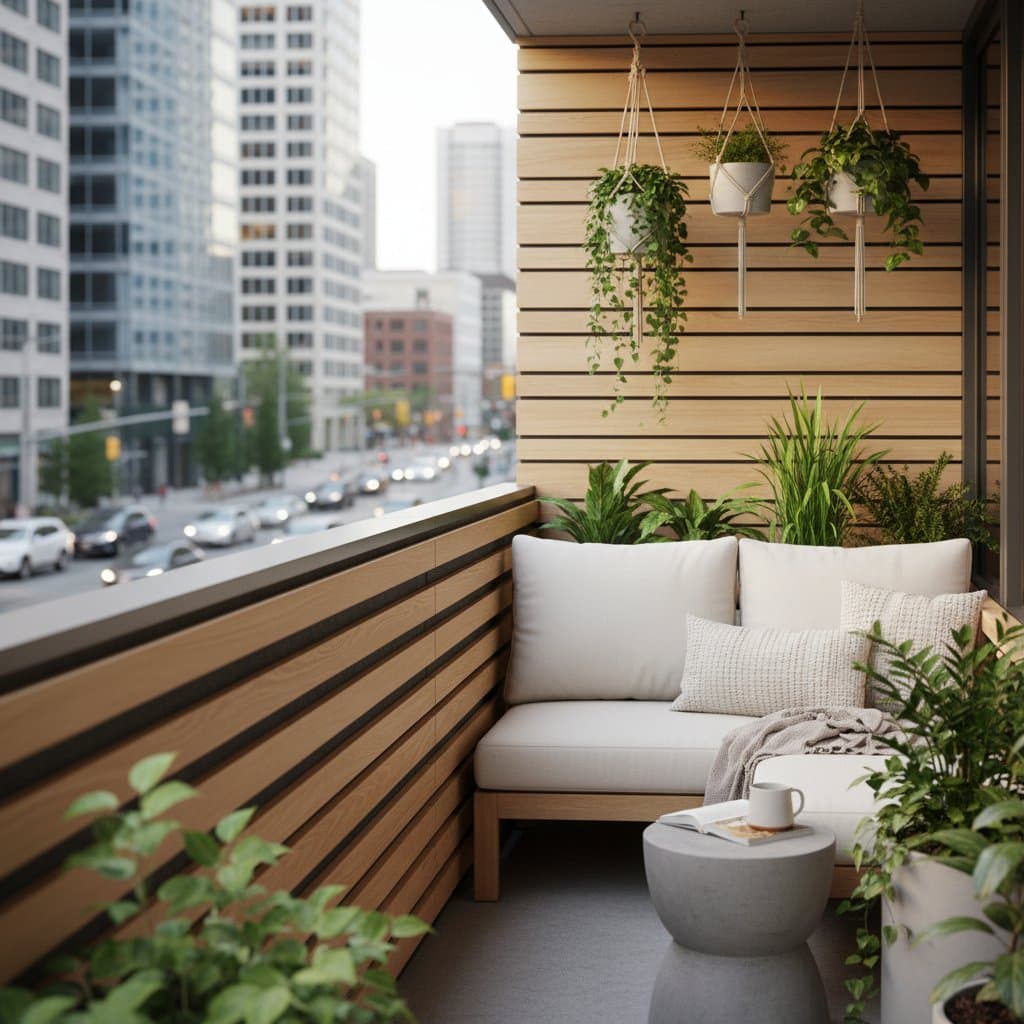
Acoustic Panels for Quieting Balcony Noise
City balconies often expose residents to relentless sounds from traffic, conversations, and mechanical units. Individuals seek a serene spot for morning coffee or evening relaxation amid urban clamor. Acoustic panels provide an effective solution by absorbing external noise, preserving privacy in discussions, and diminishing echoes from rigid surfaces. The following sections detail selection, installation, and upkeep of these panels to achieve optimal results.
Understanding Acoustic Panels
Acoustic panels consist of specialized materials designed to capture sound waves rather than allow reflection. On balconies, noises rebound from concrete, glass, and metal elements, intensifying the auditory environment and enabling sounds to travel farther. Panels crafted from dense foam, mineral wool, or processed wood fibers intercept these waves, resulting in reduced reverberation and enhanced comfort.
Installation involves strategic planning of panel placement, careful material choice, and secure attachment. Basic tools suffice for most projects, with completion typically requiring two to three hours. This approach transforms a disruptive balcony into a peaceful extension of living space.
Essential Tools and Materials
Most balcony soundproofing tasks require straightforward tools. Assemble the following items prior to commencement:
- Tape measure to ensure precise measurements and spacing
- Utility knife or heavy-duty shears for accurate panel trimming
- Drill equipped with masonry bits for penetrating concrete surfaces
- Level tool to maintain even alignment
- Weather-resistant mounting strips or corrosion-proof screws
- Exterior-grade caulk or sealant to address minor gaps
- Protective gloves and respiratory mask for handling cutting operations
Material selection varies by wall type and financial considerations:
- Foam acoustic tiles suit lightweight, temporary applications on interior-facing walls
- Wood fiber panels offer an aesthetic integration with natural surroundings
- Mineral wool boards deliver superior absorption for low-frequency sounds
- UV-stable fabric coverings to shield softer materials from environmental exposure
- Metal or plastic wall anchors to guarantee firm attachment
Installation Process
Step 1: Assess and Measure
Determine the dimensions of balcony walls by measuring width and height accurately. Identify primary sound-reflective zones, such as side walls and the rear panel adjacent to railings. Prioritize areas where traffic or neighbor sounds dominate. Coverage of at least 70 percent of these surfaces yields significant noise reduction.
Step 2: Select Appropriate Panels
Base choices on balcony configuration and weather exposure.
- Foam panels facilitate simple attachment via removable adhesive strips, ideal for rental properties.
- Mineral wool panels excel at mitigating deep bass from vehicles or amplified audio.
- Wood fiber panels combine acoustic performance with visual appeal and accept paint finishes.
For locations prone to precipitation or intense sunlight, encase panels in UV-resistant, breathable fabric. Such protection averts color degradation and water ingress.
Step 3: Surface Preparation
Clean wall surfaces using mild soap and water solution. Allow thorough drying to promote adhesion. Remove dust from brick or metal railings with a soft brush. Inspect for instability or fissures; apply caulk to any openings exceeding one-quarter inch to prevent acoustic leakage.
Step 4: Trim Panels to Specification
Adapt panels to navigate around railings, electrical outlets, or angular features. Verify measurements twice prior to cutting to minimize waste. Don protective gear during trimming of mineral wool or fiber products to prevent skin or respiratory irritation. Maintain straight edges for seamless panel abutments.
Step 5: Secure Panel Mounting
Employ mounting strips for foam or low-weight panels. For substantial boards, pre-drill holes and insert anchors supporting at least 10 pounds per unit. Position the level along each panel edge before finalizing screw placement. Maintain a one-inch clearance between panel bottoms and the floor to facilitate drainage.
Step 6: Seal and Verify Installation
After positioning all panels, apply clear outdoor caulk along seams. Press firmly to ensure wall contact. Assess stability by lightly tapping corners. Reinforce any loose sections with additional anchors or strips.
Step 7: Incorporate Aesthetic Enhancements
Overlay panels with permeable outdoor fabrics or bamboo screens to conceal joints and boost seclusion. Avoid impermeable coverings like plastic or vinyl, as they retain humidity and impair absorption. Opt for light-reflective neutral tones to moderate heat buildup.
Key Safety Considerations
Conduct work during dry conditions to avoid slippage and ensure proper bonding of adhesives. Wear gloves and safety goggles throughout cutting and drilling activities. Utilize a sturdy ladder for reaches beyond seven feet. Verify railing integrity before applying weight near perimeters. Steer clear of electrical conduits when boring into walls.
Preserve adequate airflow by maintaining two-inch clearances around ventilation openings and fixtures. Soundproofing efforts must not compromise building safety standards.
Common Issues and Solutions
Persistent noise post-installation often stems from overlooked gaps or untreated reflective areas. Items such as metal furnishings, glass panels, and concrete flooring can perpetuate sound bounce. Introduce weather-durable rugs or rubber mats to dampen floor echoes. Positioning two or three substantial potted plants in corners further diffuses mid-range frequencies.
In humid climates, if panels loosen, transition to mechanical fixings over adhesives. For vibrations from adjacent machinery, layer additional mineral wool beneath primary panels.
Cost and Timeline Estimates
For a compact 40-square-foot balcony, foam or fabric-encased panels range from $120 to $180. Mineral wool or wood fiber alternatives elevate costs to $200 to $300 for equivalent coverage. Preparation and installation demand two to three hours, with adhesive methods accelerating the process at the expense of longevity compared to screw fastenings.
Invest in weatherproofing to safeguard durability; untreated foam deteriorates rapidly in dampness. Allocate an additional $25 to $40 for sealants and fabrics to prolong service life across multiple seasons.
Ongoing Maintenance Practices
Inspect panels biannually for signs of moisture accumulation, discoloration, or anchor displacement. Clean surfaces monthly with a damp cloth to eliminate debris. Permit full drying after exposure to water before further treatment. Renew or re-encase panels exhibiting mold or pronounced staining.
In buildings mandating non-permanent installations, utilize hook-and-loop fasteners for effortless removal during evaluations or surface refreshes.
Storage Strategies for Panels
In severe weather, detach lightweight panels for indoor preservation. Stack horizontally in a moisture-free zone, separated by thin spacers. Affix location labels with removable tape to streamline future assembly.
For constrained apartment layouts, position panels behind furniture or beneath bedding. Foam and fabric variants tolerate vertical storage with minimal compression.
Seasonal Maintenance Guide
Adapt care to environmental shifts:
- Spring: Reinstall winter-removed panels and examine for corrosion on fasteners.
- Summer: Remove accumulated dust and pollen to sustain absorption efficacy.
- Autumn: Reapply edge seals as cooler temperatures amplify sound transmission via fissures.
- Winter: Protect or withdraw panels from snow and ice accumulation on walls.
Monthly 15-minute inspections preserve performance throughout the year.
Professional Assistance Indicators
Shared walls with adjacent units or echoing concrete overheads may necessitate expert evaluation. Engage a sound engineer to analyze specific frequencies and recommend robust materials. Request an on-site assessment prior to committing to bespoke solutions. Professionals also validate mounting compatibility with structural guidelines.
Hire certified contractors for exterior wall penetrations if regulations prohibit such actions. They employ compliant brackets or portable frames to bypass permanent alterations.
Expert Recommendations
- Initiate with a single wall to evaluate acoustic improvements.
- Blend materials, pairing foam for treble absorption with wool for bass control.
- Address flooring by placing mats beneath seating to curb vibrations.
- Integrate substantial greenery to capture mid-tones and enhance seclusion.
- Evaluate effectiveness nocturnally, as sound profiles alter after dark.
These practices foster a more serene and inviting balcony without extensive renovations.
Implementing Your Plan
Proceed with these actions:
- Gauge the primary noise source wall and select suitable materials.
- Procure elements resilient to regional weather patterns.
- Dedicate an afternoon to assembly and auditory testing.
This methodical approach delivers immediate tranquility and enduring outdoor enjoyment.