
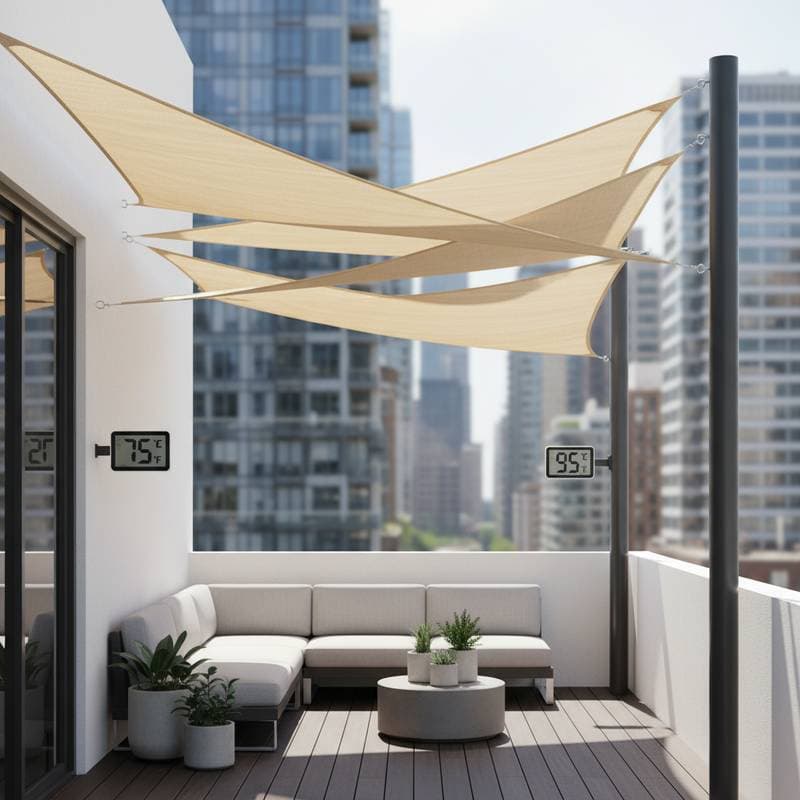
- Shade sail made from UV-resistant high-density polyethylene (HDPE) fabric. Select a size that shades at least 60 percent of the balcony area for maximum cooling.
- Mounting hardware kit containing turnbuckles, pad eyes, and carabiners. Kits typically support three or four attachment points.
- Stainless steel screws or bolts designed for exterior applications to prevent corrosion.
- Power drill equipped with masonry bits for concrete or wood bits for other surfaces.
- Measuring tape extending at least 10 feet to accurately assess dimensions.
- Marker or chalk line to outline anchor positions clearly.
- Sturdy ladder suitable for the working height and user weight.
- Safety glasses and work gloves to protect during drilling and tensioning activities.
Consider these optional additions for enhanced flexibility:
- Post brackets or freestanding poles if existing structures lack suitable anchors.
- Temporary rope or cord to test sail angles prior to permanent fixation.
Key Safety Considerations
Prioritize safety to avoid accidents during installation. Begin by surveying the site for potential hazards such as overhead power lines, and maintain a safe distance from any electrical wiring.
Review local building codes and homeowners association regulations, as some restrict balcony modifications. Ensure the ladder rests on level ground, and enlist a helper to stabilize it during elevated work.
Examine all anchor points for structural integrity. Halt work if cracks appear in masonry or if fasteners feel loose, and reinforce as needed. Account for wind forces, as shade sails can catch gusts; secure or remove the sail ahead of severe weather.
Cost Breakdown and Timeline
Budget for a basic shade sail installation ranges from $80 to $200, influenced by fabric dimensions and hardware durability. HDPE options exceed polyester in price but offer superior longevity and UV protection. Opt for stainless steel components over zinc-coated alternatives to resist rust in humid conditions.
Allocate two to three hours for assembly once materials arrive. Factor in an additional hour for tasks like post installation or drilling into hard surfaces such as concrete. Ongoing maintenance involves low costs, primarily periodic cleaning and inspections of fittings.
Seasonal Adjustment Strategies
Install the shade sail at the onset of warm weather to preempt heat accumulation. Position it to align with the sun's trajectory, angling lower on west-facing sides to intercept afternoon rays effectively.
In cooler seasons, relax tension or dismantle the sail to permit natural light and warmth penetration. Such adjustments influence adjacent indoor temperatures by several degrees, promoting year-round versatility.
Maintain a routine with this checklist:
- Inspect and tighten hardware every four weeks.
- Clean the fabric surface every eight weeks using mild soap and water.
- Dismantle the sail during storm alerts.
- Reassemble prior to the return of intense summer heat.
Professional Assistance Options
Engage a specialist for complex installations, particularly when drilling into brick or concrete above occupied areas. Improper holes risk water intrusion that damages underlying structures. Experts also assess feasibility on balconies without robust anchors or for designs incorporating multiple sails.
Inquire about these specifics during consultations:
- Load-bearing capacity of walls or beams.
- Hardware specifications matched to regional wind speeds.
- Fabrics achieving at least 90 percent UV blockage.
A brief professional review often averts expensive future corrections.
Step-by-Step Installation Guide
Commence with a single shade sail focused on the primary seating area. Monitor temperature changes using an inexpensive thermometer to verify the 15- to 20-degree reduction in shaded zones by midday.
Follow these sequential steps:
- Measure the balcony and plot anchor locations, considering the sun's daily path for optimal coverage.
- Acquire durable hardware to avoid premature failure from rust or wear.
- Proceed with secure installation: Position ladders firmly, test anchors for stability, and apply even tension across all edges.
After setup, enhance the space with a portable fan for air circulation or container plants for aesthetic appeal. This straightforward weekend endeavor transforms an overheated balcony into a welcoming extension of living space, ready for daily use from morning until evening.