
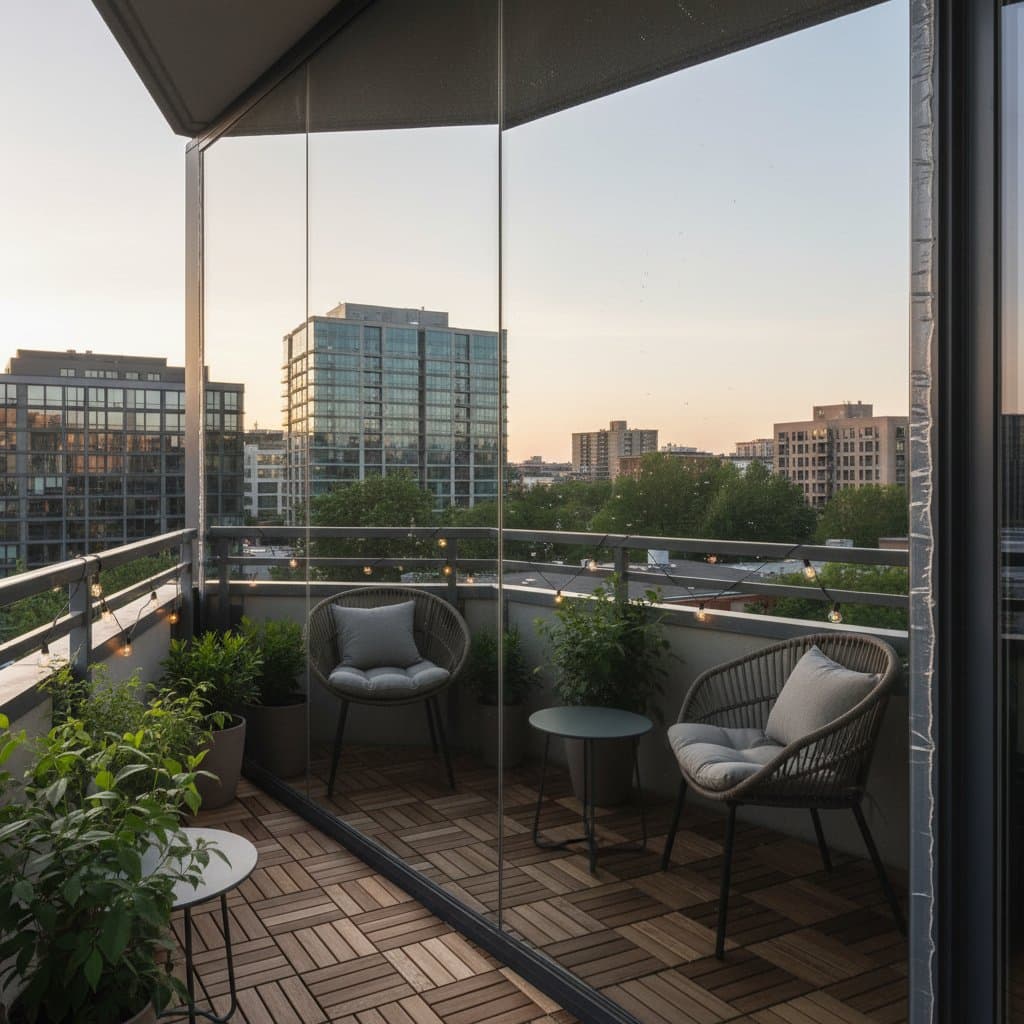
Expanding Small Balconies: The Magic of Mirror Walls
Urban living often means dealing with compact outdoor spaces. A tiny balcony might accommodate only a single chair and potted plant, leaving little room for relaxation or enjoyment. Mirror walls offer an elegant solution to this challenge. By reflecting surrounding light and scenery, they create the optical illusion of doubled dimensions, transforming a confined area into a more inviting extension of your home.
This approach requires no structural alterations or extensive renovations. Instead, it relies on thoughtful placement and quality materials to enhance both functionality and aesthetics. Readers will find practical advice on selecting mirrors, installing them securely, and maintaining their appearance against environmental elements. The result is a balcony that feels larger, brighter, and more versatile for daily use.
Why Mirror Walls Work for Small Spaces
Mirrors have long served as tools for spatial expansion in interior design. On a balcony, they perform similarly by bouncing natural light across the area and duplicating views of the sky, neighboring greenery, or cityscape. This reflection not only amplifies perceived size but also introduces a sense of depth and openness.
Consider positioning a mirror opposite a window or railing to capture incoming sunlight. The effect mimics an additional window, flooding the space with illumination even on overcast days. For balconies in shaded urban settings, mirrors can redirect light from adjacent buildings or streets, reducing the enclosed feel of high-rises.
Beyond optics, mirrors add a decorative element. Framed options can complement balcony furniture, while unframed panels provide a sleek, modern look. The key lies in integration: mirrors should enhance rather than dominate the existing setup, ensuring the space remains practical for lounging or light gardening.
Selecting the Right Mirror Materials
Choosing suitable mirrors involves balancing durability, weight, and reflective quality. Glass mirrors deliver the sharpest images but prove heavier and more prone to breakage. Acrylic alternatives, made from lightweight plastic, offer similar reflectivity with greater shatter resistance, ideal for elevated installations.
For balcony applications, opt for panels sized between 24 and 48 inches in height to avoid overwhelming the area. Multiple smaller panels allow for custom arrangements, such as a vertical stack or horizontal row, fitting irregular wall shapes. Look for products rated for outdoor use, featuring UV-resistant coatings to prevent yellowing from sun exposure.
Surface finish matters as well. Beveled edges reduce sharpness and add elegance, while frosted sections can soften intense reflections. Test samples in natural light to gauge how they interact with your balcony's orientation. Suppliers often provide options with pre-applied backings for easier adhesion to various wall types.
Essential Tools and Materials
Preparation ensures a smooth installation process. Assemble the following items ahead of time:
- Mirror panels or sheets, selected based on balcony dimensions.
- Outdoor-rated adhesive or construction glue formulated for glass or acrylic.
- Stainless steel mirror clips or L-brackets for added support.
- Tape measure, level, and pencil for precise marking.
- Protective gloves, safety glasses, and drop cloths to safeguard against shards or drips.
- Silicone-based weather sealant for perimeter application.
- Microfiber cloths and non-abrasive glass cleaner for finishing touches.
- Optional plywood or foam backing to level uneven surfaces.
These tools support a DIY project that typically spans one to three hours. Factor in drying times for adhesives, which may extend the total commitment to a full afternoon.
Step-by-Step Installation Guide
Begin by cleaning the target wall thoroughly. Remove dirt, grease, or existing hardware using a mild detergent solution, then dry completely. Measure the desired placement area, marking guidelines with a pencil and ensuring alignment with a level.
If using plywood backing, cut it to size and attach it first with screws or adhesive. Position the mirror panels over the marks. Apply adhesive in a zigzag pattern on the back of each panel, pressing firmly into place. For enhanced stability, install clips or brackets at the top and bottom edges, securing them with screws into wall studs where possible.
Seal all edges with weatherproof caulk to block moisture intrusion. Allow the setup to cure for 24 hours before use. Test gently by tapping the surface; any looseness indicates the need for reinforcement. This methodical process minimizes risks and maximizes longevity.
Safety Considerations
Prioritize protection during handling and placement. Wear gloves to avoid cuts from sharp edges, and use glasses to shield eyes from potential fragments. Assess the balcony's structural integrity before mounting; avoid weak railings or peeling surfaces that could compromise hold.
Position mirrors to prevent hazardous reflections. Direct sunlight funneled through glass can ignite fires or damage plants and upholstery via concentrated heat. In windy locations, combine adhesives with mechanical fasteners to withstand gusts. Renters should consider temporary solutions like adhesive-backed mirror films, which peel off without residue.
Regular inspections form part of ongoing safety. Check for cracks or loosening quarterly, especially after storms. These precautions ensure the installation enhances enjoyment without introducing dangers.
Budget and Timeline Expectations
Costs range from 60 to 200 dollars, influenced by material choices and quantities. Acrylic panels start at lower prices and reduce shipping fees due to their lightness. Glass options demand robust hardware, slightly elevating expenses, yet provide superior clarity.
Time requirements remain modest, with preparation and mounting occupying two to three hours. Measuring accurately prevents rework, which could double the effort. Invest in quality adhesives labeled for exterior conditions; inferior products fail prematurely under temperature fluctuations or rain, leading to costly repairs.
Year-Round Maintenance Routines
Sustaining mirror walls demands minimal but consistent care. In spring, clear pollen buildup with a damp cloth and examine edges for deterioration. Summer requires monitoring for glare effects; shift plants as needed to prevent wilting from intensified light.
Fall brings leaf accumulation, best addressed with a soft brush to avoid scratches. During winter, apply protective covers or overhangs to shield against frost, which can seep into seals. Annual deep cleaning with appropriate solutions restores shine, preserving the reflective benefits.
These habits extend the lifespan beyond five years, keeping the balcony visually appealing across seasons.
Advanced Design and Storage Ideas
Elevate the basic setup with creative adaptations. Hinged or folding mirrors conserve space, swinging open for use and closing against the wall when idle. Leaning floor mirrors, secured at the base with brackets, offer flexibility for rearrangement during seasonal shifts.
Incorporate storage by mounting shelves above or below panels, utilizing reflected space for visual interest. Store maintenance supplies in a dedicated, weatherproof container nearby for prompt access. Such innovations blend utility with the expansive effect, maximizing every inch.
Knowing When to Seek Professional Assistance
DIY suits most straightforward projects, yet complexities arise in certain scenarios. Balconies with irregular surfaces or high-exposure to elements may require expert evaluation for secure anchoring. If structural concerns exist, such as older buildings, consult a contractor to verify load-bearing capacity.
Professionals bring specialized tools for precise cuts and installations, particularly with larger mirrors. Budget an additional 100 to 300 dollars for their services, which include warranties against failures. This option proves wise for those lacking confidence in measurements or hardware handling.
Achieving Lasting Outdoor Comfort
Implementing mirror walls unlocks a balcony's full potential without invasive changes. The combined effects of light reflection and spatial illusion foster a serene escape amid city constraints. With proper selection, installation, and upkeep, this enhancement delivers enduring value, inviting more time spent in fresh air and sunlight.