
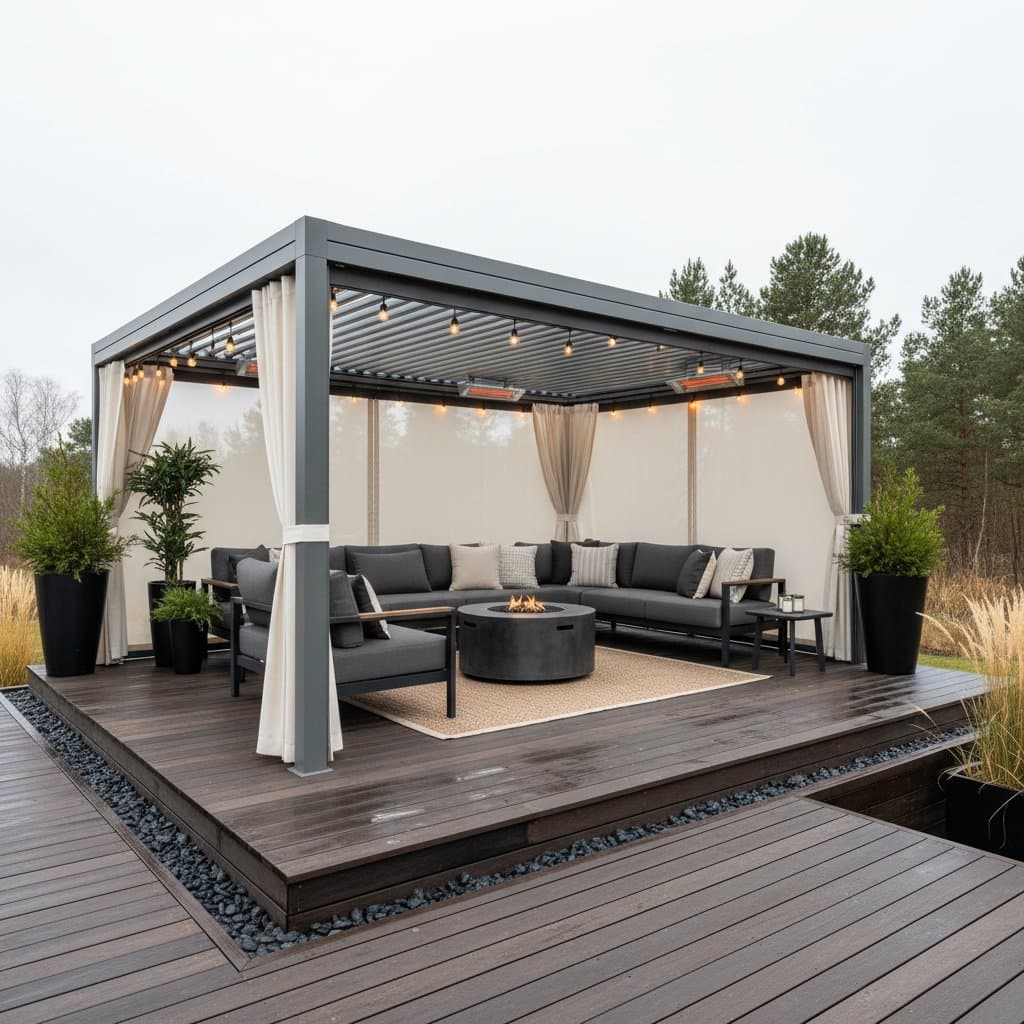
Turn Your Deck into a Year-Round Outdoor Room
Transforming a deck into a versatile outdoor space requires thoughtful planning and durable upgrades. This guide provides step-by-step instructions to create a weatherproof retreat that withstands rain, wind, and sun. Begin with preparation and progress to finishing touches for a functional extension of your home.
Step 1: Inspect and Prepare the Deck
Examine the deck for structural issues such as loose boards, rot, or unstable railings. Repair or replace damaged elements to ensure safety. Clean the surface thoroughly with a mild detergent and stiff brush to remove dirt, mildew, and debris. Allow the deck to dry completely before proceeding; this preparation creates a solid foundation for subsequent steps.
Step 2: Seal the Deck Surface
Apply a high-quality weatherproof sealant using a roller or brush, working in the direction of the wood grain for even coverage. One gallon of sealant covers approximately 250 square feet (23 square meters). Allow at least one full day for drying before foot traffic; apply a second coat for enhanced protection against moisture and ultraviolet rays.
This treatment prevents water absorption, which reduces the risk of mold growth and board warping. Reapply sealant every two to three seasons, adjusting based on the deck's exposure to the elements.
Step 3: Build or Install a Pergola or Pod Frame
Measure the deck area precisely to select an appropriate structure. Pergolas range in size from 10 feet by 10 feet (3 meters by 3 meters) to 16 feet by 20 feet (4.8 meters by 6 meters); ensure at least 7 feet (2.1 meters) of headroom for comfort. Secure posts to the deck joists using metal anchors designed for exterior loads.
Consider a pod structure for greater enclosure; these units often feature prebuilt panels with sliding walls or adjustable louvers. If electrical wiring is required for lighting or heating, hire a licensed electrician to comply with safety standards.
Step 4: Add Roof Panels or Weatherproof Fabric
Secure polycarbonate or aluminum panels to the pergola rafters, overlapping seams by at least 2 inches (5 centimeters) and sealing with waterproof flashing tape. For a more flexible option, stretch weatherproof fabric across tension wires. Incorporate a minimum pitch of 1 inch per foot (8 centimeters per meter) to facilitate rainwater runoff and prevent pooling.
Caution: Use stable ladders for installation and avoid stepping directly on panels to prevent breakage.
Step 5: Seal Joints and Edges
Apply exterior-grade caulk at connections between posts and the deck, as well as where roof panels meet the framing. This measure blocks leaks and minimizes drafts. Verify that all screws and bolts are securely fastened without over-tightening, which might damage wood or panels.
Step 6: Add Drainage Paths
For decks without natural drainage, create shallow channels along the perimeter and install plastic drains or trench covers. Route water away from the home's foundation. Maintain a 2 percent slope to promote efficient water flow.
Step 7: Enclose for Comfort
Install outdoor curtains or roll-down shades to block wind and provide privacy. In cooler weather, attach clear vinyl panels as temporary walls. Enhance the space with an outdoor-rated ceiling fan or heater, positioning heaters at least 3 feet (0.9 meters) from any flammable materials.
Step 8: Furnish and Style
Select furniture featuring powder-coated aluminum or treated wood frames for durability. Pair with cushions in UV-resistant fabric and quick-drying foam. Incorporate area rugs and planters to delineate zones while maintaining clear pathways to prevent accidents.
Essential Safety Guidelines
Verify the deck's load capacity prior to installing heavy features; most decks support 50 pounds per square foot (244 kilograms per square meter). Employ only UL-rated electrical components for outdoor lighting and heating. Position open flames from fire pits or candles at least 2 feet (0.6 meters) from walls and furnishings. Wear a dust mask during sanding or sealing activities.
Common Issues and Solutions
Water Pooling on the Roof or Deck
Solution: Adjust the slope or add a gutter along the edge.
Explanation: A 1-inch-per-foot slope leverages gravity to direct water away.
Follow-Up: Clean gutters twice each season.
Drafts or Leaks at Seams
Solution: Reapply weatherproof caulk to joints.
Explanation: Leaks often occur at material intersections.
Follow-Up: Inspect after significant storms.
Mold or Mildew on Boards
Solution: Clean with a solution of one cup white vinegar per gallon of water.
Explanation: Vinegar eliminates surface spores without toxic chemicals.
Follow-Up: Seal the area after drying.
Fading or Discoloration
Solution: Apply a UV-protective topcoat or install shade panels.
Explanation: Ultraviolet light degrades pigments in wood and fabrics.
Follow-Up: Refresh finishes every few seasons.
Ongoing Maintenance Practices
Regular care extends the lifespan of a weatherproof deck.
-
Monthly: Sweep away debris, rinse off dust, and inspect drainage.
-
Seasonally: Examine fasteners and joints; tighten as necessary and clean shades or curtains.
-
Every Two to Three Seasons: Reseal wood surfaces and recoat metal to avert corrosion.
-
Annually: Engage a professional for structural and electrical inspections.
Store removable items like cushions and curtains in a dry, ventilated space during off-seasons.
Storage Recommendations
Organize spare sealant, caulk, and hardware in labeled plastic bins with secure lids, kept in a cool, dry location elevated from the floor. Roll curtains and secure with soft ties to prevent creases. For pod systems with sliding panels, clean tracks using mild soap and silicone spray ahead of winter storage.
Cost and Timeline Estimates
Expenses vary by deck size and selected features.
-
Basic Sealing and Waterproofing: 150 to 400 dollars, completable over one weekend.
-
Pergola with Fabric Cover: 800 to 2500 dollars, requiring two to three weekends.
-
Complete Pod with Enclosures: 5000 to 15000 dollars, typically handled by professionals.
Factor in additional time for drying and final checks, regardless of experience level.
Seasonal Care Guide
-
Spring: Assess winter damage, secure panels, and clear drains.
-
Summer: Install shade elements to counter intense sunlight.
-
Fall: Remove foliage to avoid moisture buildup.
-
Winter: Protect furniture, store fabrics, and verify heating functionality.
Set calendar alerts to maintain year-round readiness.
Professional Assistance Indicators
Contact a licensed carpenter if the deck exhibits sagging, post rot, or insecure ledger boards before adding structures. Certified electricians must install wiring for lights, outlets, or heaters, ensuring ground-fault protection. For extensive enclosures, consult contractors to verify permits and load capacities, guaranteeing compliance with local codes for wind and rain resistance.
Core Principles for Success
-
Prioritize Sealing Before Construction: A protected base supports all enhancements.
-
Select Coverage Suited to Local Weather: Pergolas or pods succeed when they control moisture and ventilation.
-
Implement Reliable Drainage: Gentle slopes and unobstructed paths safeguard the setup.
-
Opt for Outdoor-Specific Materials: UV-resistant textiles, corrosion-proof frames, and premium sealants promote longevity.
-
Incorporate Comfort Features: Elements like curtains, illumination, and heating enable multi-season use.
These principles foster a resilient, inviting deck that encourages frequent enjoyment and safeguards your investment.
Getting Started
Initiate the project with manageable actions.
-
Conduct a Thorough Inspection and Cleaning: Address minor problems promptly.
-
Choose Your Enclosure Approach: Weigh options like pergolas, fabric shades, or pod modules.
-
Assemble Supplies: Commence sealing preparations while awaiting structural components.
With initial weatherproofing in place, the deck evolves into a dependable outdoor haven for relaxation, gatherings, and seamless indoor-outdoor living.