
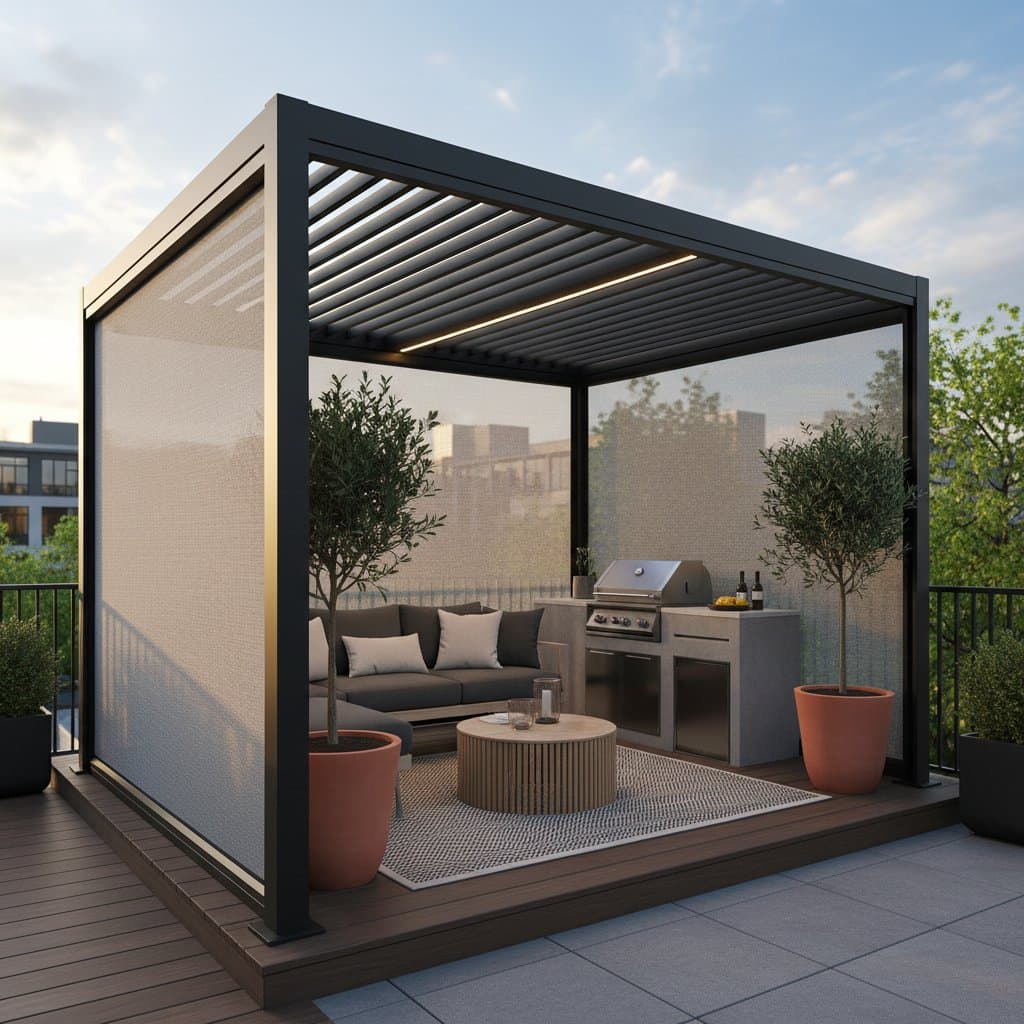
Introduction to Pergola Pods
Urban dwellers often face the challenge of limited outdoor space. Small decks, while valuable, can feel exposed and underutilized. Pergola pods offer a smart solution by creating defined, comfortable areas without permanent alterations.
These structures consist of lightweight frames with adjustable roofs, typically made from aluminum, steel, or treated wood. They attach easily to existing decks and include features like retractable shades or privacy panels. The result is a seamless extension of indoor living, protected from sun, wind, and prying eyes.
Homeowners appreciate the flexibility of pergola pods. They suit various styles, from minimalist modern to cozy rustic, and adapt to seasonal needs. In this guide, readers learn the benefits, planning essentials, and step-by-step installation to maximize their deck's potential.
Benefits of Pergola Pods for Small Decks
Pergola pods excel in compact settings by adding functionality without overwhelming the area. They provide essential shade during peak sun hours, reducing heat buildup on the deck surface. Privacy elements block views from neighbors or streets, fostering a sense of seclusion.
Versatility defines these structures. Users configure them for dining, lounging, or remote work setups. Modular components allow seasonal adjustments, such as opening the roof for mild evenings or closing it against rain.
Durability ensures long-term value. Materials resist weather damage, and simple designs minimize maintenance. Compared to full pergolas, pods install quickly and cost less, making them ideal for renters or those seeking low-commitment upgrades.
Planning Your Pergola Pod
Start with accurate measurements of the deck. Note dimensions, including height restrictions from overhead obstacles like balconies. Consider the pod's footprint; most models range from 8 by 8 feet to 10 by 12 feet, fitting standard small decks.
Assess wind exposure and load capacity. Urban decks often support lightweight pods up to 200 pounds. Select a model with adjustable feet or base plates to level uneven surfaces.
Budget for accessories early. Basic kits start at $500, while premium options with motorized shades reach $2,000. Factor in tools like drills and levels if not already owned. Review local regulations; some areas require permits for attached structures over a certain size.
Tools and Materials Needed
Gather essentials before assembly. A power drill with bits for metal or wood, a level, measuring tape, and adjustable wrench handle most tasks. Safety gear includes gloves, safety glasses, and a sturdy ladder.
Kits typically include posts, beams, roof panels, hardware, and instructions. Purchase additional anchors if the deck lacks secure mounting points. For customization, acquire outdoor-rated curtains, lights, or fans separately.
Installation Steps
Step 1: Prepare the Deck Surface
Clear the area of furniture and debris. Sweep thoroughly to ensure a clean base. Inspect for loose boards or nails; secure them to prevent shifting during installation.
Mark post positions with chalk lines, spacing them evenly according to the kit diagram. Typically, posts sit 6 to 8 feet apart. Verify alignment with a level to avoid future adjustments.
Step 2: Install the Base Anchors
Drill pilot holes into the deck for anchor bolts. Use corrosion-resistant hardware to secure base plates. Tighten bolts firmly but avoid over-torquing, which could damage the wood.
For elevated decks, attach brackets to railings if posts cannot reach the floor. Ensure anchors distribute weight evenly across multiple joists for stability.
Step 3: Raise and Secure the Posts
Position posts into base plates and plumb them vertically using a level. Secure with set screws or bolts provided. Double-check squareness by measuring diagonals; they should match within a quarter inch.
Brace posts temporarily with clamps until the frame connects. Work with a partner for safety when lifting taller components.
Step 4: Assemble the Roof Frame
Attach top beams across the posts, ensuring equal spacing on all sides. Use provided brackets and bolts for connections. Slide or clip roof slats or panels into place per the model specifications.
For retractable canvas tops, thread the fabric through tracks and secure tension cords. Adjust for even pull, avoiding twists that could bind the mechanism.
Step 5: Add Shade and Privacy Options
Mount side screens, bamboo panels, or outdoor curtains to enclose the space. Attach them via hooks or tracks for easy removal. For enhanced comfort, install LED string lights or a compact ceiling fan suitable for exterior conditions.
Position lights along beams for even illumination. Connect fans to weatherproof outlets, ensuring cords route safely away from edges.
Step 6: Test and Adjust
Operate shade mechanisms to confirm smooth movement. Open and close panels multiple times, lubricating tracks if needed. Apply sealant to all exposed bolts and screw heads to guard against rust.
Walk the structure to detect wobbles; tighten connections as required. Finalize by cleaning the assembly and adding personal touches like cushions or plants.
Safety Tips
Wear protective gloves when maneuvering metal beams to prevent cuts. Maintain a safe distance from overhead power lines during post raising. Position ladders solely on stable, level ground.
Distribute weight evenly across the deck. Refrain from placing heavy decorations or planters on the roof to avoid structural strain. Supervise children and pets around the installation site.
Troubleshooting Common Issues
A wobbly frame often stems from loose anchors or uneven decking. Retighten all bolts and shim bases if necessary for level support.
Sagging shade fabric requires tension cord adjustments or clip reinstallation. Ensure fabric aligns properly in tracks without excess slack.
Water pooling on panels indicates insufficient slope. Angle the roof at least 1 inch per foot toward drainage edges. Clear debris regularly to maintain flow.
Maintenance Guidelines
Wipe aluminum or steel frames with mild soap and water biweekly. Rinse thoroughly and dry to eliminate water spots. For wooden elements, seal annually with a weatherproof product to avert cracking.
Apply silicone spray to joints and tracks seasonally for fluid operation. Inspect fabric shades for mildew growth; treat with a mild vinegar solution if spotted.
Store removable parts in a dry location during off-seasons. Brush away dirt before folding, and avoid compacting damp materials to prevent mold.
Storage Considerations
For seasonal removal, disassemble methodically and label components with tape for reassembly. Stack panels vertically in a sheltered spot to preserve shape.
Organize fasteners in zippered bags, sorted by type. In semi-permanent installations, drape a waterproof tarp over the pod and secure with bungee cords. Remove it periodically for ventilation.
Budget Breakdown
Entry-level pergola pods cost $400 to $800, including basic frame and fixed shade. Mid-range models with retractable features range from $900 to $1,500. High-end kits, complete with privacy walls and lighting, exceed $2,000.
Installation tools add $50 to $150 if purchased new. Accessories like curtains or fans contribute another $100 to $300. Professional help, if chosen, increases expenses by $500 to $1,000 depending on complexity.
Factor in ongoing costs: sealants and cleaners total under $50 yearly. Energy-efficient lights and fans offset utility bills through reduced indoor use.
Seasonal Care Reminders
During summer, opt for reflective panels to lower deck temperatures by up to 10 degrees Fahrenheit. Monitor for fading fabric and replace as needed.
In rainy seasons, remove leaves from slats weekly to facilitate drainage. Secure loose panels against gusts.
Prior to winter, examine anchors for wear. Tighten fittings and clear all drainage channels to prepare for snow or ice.
When Professional Assistance Makes Sense
Opt for expert installation if the deck shows signs of weakness or exceeds 10 by 10 feet. Structural engineers assess load-bearing capacity for safety.
Complex customizations, such as integrated electrical wiring or motorized systems, benefit from licensed contractors. They ensure compliance with building codes and warranties.
If mobility issues prevent self-assembly, hire services specializing in outdoor structures. Professionals complete jobs in a day, minimizing disruption.
Essential Insights
Pergola pods redefine small decks as multifunctional retreats. They balance ease of use with robust protection, enhancing daily outdoor enjoyment.
Customization tailors the space to personal needs, from intimate dinners to productive workspaces. Proper planning and care extend the structure's lifespan for years of value.
Action Plan
- Measure the deck precisely and select a compatible pod kit.
- Assemble required tools and review instructions thoroughly.
- Dedicate a weekend to build, test functionality, and incorporate privacy features.
- Schedule quarterly maintenance to sustain performance.
- Experiment with layouts to optimize the space for preferred activities.