
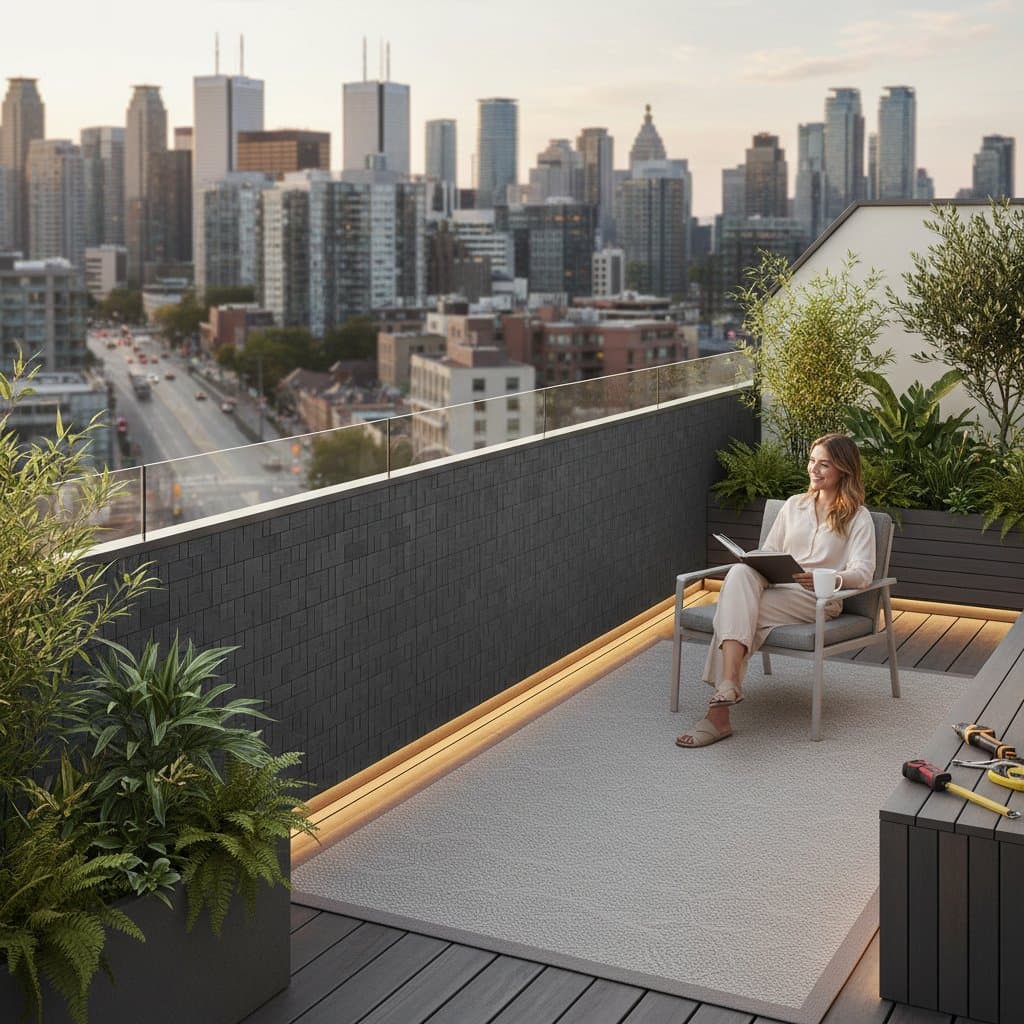
Outdoor Acoustic Panels Reduce Urban Deck Noise by 40 Percent
Urban decks often amplify the clamor of city life, with traffic, sirens, and conversations rising from the streets below. Residents seek respite outdoors only to encounter the same disruptions indoors. Fortunately, outdoor acoustic panels offer an effective solution, reducing street noise by up to 40 percent while preserving airflow and natural light.
These panels provide a practical alternative to extensive renovations. Property owners achieve noticeable quiet without sacrificing views or ventilation. This guide details the principles behind acoustic panels, installation procedures, and long-term care to ensure optimal performance.
How Acoustic Panels Function
Outdoor acoustic panels consist of dense materials such as foam, mineral wool, or recycled fibers designed to absorb sound waves. Rather than reflect noise, these panels trap and dissipate vibrations, minimizing echoes and direct transmissions. In urban environments, they target the mid- to high-frequency sounds prevalent in street activity.
Panels contribute to noise reduction through multiple mechanisms:
- Sound Absorption: They capture frequencies from vehicle engines and human voices, converting energy into minimal heat.
- Path Interruption: Positioned strategically, panels block line-of-sight sound paths from sources to seating areas.
- Diffusion: Any residual noise scatters, blending into ambient levels for a softer overall soundscape.
Strategic placement along railings, perimeter fences, or adjacent walls yields a 40 percent drop in perceived noise volume. Conversations become effortless, and relaxation replaces constant distraction.
Essential Tools and Materials
Assemble the following before beginning the project:
- Outdoor-rated acoustic panels, minimum 2 inches (5 centimeters) thick for effective absorption
- Sturdy mounting frames or brackets, one per panel to ensure secure attachment
- Weather-resistant screws or anchors, approximately four per panel
- Power drill equipped with appropriate driver bits
- Bubble level for precise alignment
- 25-foot (7.6-meter) measuring tape for accurate dimensions
- Caulk gun loaded with exterior sealant to seal joints
- Protective gloves and safety glasses for handling materials
- Stable ladder for elevated installations
Budget $60 to $150 per panel based on size and composition. For a typical deck spanning 100 to 200 square feet, four to six panels provide comprehensive coverage without overwhelming the space.
Installation Process
1. Assess and Plan Placement
Identify noise entry points by observing sound patterns at various times, such as rush hour or evenings. Measure the dimensions of railings, walls, and open gaps where sound infiltrates. Create a scaled sketch to determine panel quantities and positions that maximize coverage while maintaining sightlines and access.
Consider wind patterns and sunlight exposure to select durable, UV-resistant panels. Aim for coverage of at least 60 percent of the perimeter facing the street.
2. Surface Preparation
Thoroughly clean mounting surfaces to remove debris, loose paint, rust, or moisture. Allow the area to dry completely for a reliable bond. This preparation prevents failures in adhesion and sealing.
Safety Consideration: Position electrical cords away from damp areas. Use gloves when removing old coatings to avoid skin irritation.
3. Secure Mounting Hardware
Mark straight lines with a level across the installation sites. Drill pilot holes to guide screws and reduce material stress. Fasten brackets securely, applying even pressure to avoid damaging wood or metal.
Space brackets 12 to 18 inches (30 to 46 centimeters) apart for stability against wind loads.
4. Attach the Panels
Position each panel within its frame or brackets, ensuring even alignment. Fasten with provided hardware, maintaining a snug fit. Introduce a 1-inch (2.5-centimeter) gap between adjacent panels to promote airflow and inhibit mold growth.
Safety Consideration: Enlist a helper to stabilize the ladder and support panels during fastening, reducing fall risks.
5. Apply Sealant
Run a continuous bead of exterior sealant along edges where panels contact surfaces. This measure seals micro-gaps that allow low-frequency vibrations to pass. Allow sealant to cure for 24 hours before exposure to elements.
6. Evaluate Performance
After setup, spend time on the deck to assess remaining noise sources. Adjust by adding supplementary panels or integrating natural absorbers like dense shrubs. Fine-tune placements for uniform quiet across the area.
Key Safety Guidelines
Always don protective gear when working with fibrous materials to prevent inhalation or irritation. Position ladders on level ground and secure them against movement. Avoid obstructing ventilation openings, electrical fixtures, or pathways.
Locate hidden wiring with a stud finder before drilling. Maintain a 6-inch (15-centimeter) clearance from heat sources like grills to prevent material degradation.
Common Issues and Solutions
Issue: Moisture Accumulation or Discoloration
Resolution: Incorporate drainage slits at the base of panels. Clean periodically with a solution of mild soap and water, then air-dry thoroughly to restore integrity.
Issue: Persistent Noise from Specific Angles
Resolution: Inspect for unsealed joints and apply additional caulk. Address larger voids with extension panels or planters filled with thick-leaved plants such as ferns or evergreens.
Issue: Panels Dislodge in High Winds
Resolution: Add secondary fasteners like cable ties. Perform seasonal checks to retighten hardware and reinforce weak points.
Cost Estimates and Timeline
A medium-sized deck project ranges from $300 to $800, influenced by panel type and quantity. DIY installation requires about four hours with two participants. Professional services add $50 to $75 per hour for labor.
Opt for economical alternatives:
- Recycled denim composites for basic absorption at lower cost.
- Varnished cork panels for natural aesthetics and moderate performance.
- Framed fabric-over-foam assemblies in protective enclosures.
Prioritize robust mounting systems, as inferior hardware compromises durability and effectiveness.
Ongoing Maintenance Practices
Inspect installations biannually, tightening fasteners and examining for wear. Wipe panels with a damp cloth and gentle cleaner to remove surface grime. Refrain from high-pressure methods that erode the absorptive layers.
Reapply sealant annually to weatherproof edges. Following storms, evaluate for water retention; dry or replace affected units promptly, as saturated materials diminish acoustic properties.
Professional Assistance Options
For decks exposed to intense sources like heavy traffic or transit vibrations, engage an acoustics specialist. These experts conduct site-specific assessments, recommending combinations of panels, transparent barriers, and underfoot insulation rated by sound transmission class (STC).
Seek expert input also for structurally aged decks, where added weight of 2 to 5 pounds (0.9 to 2.3 kilograms) per panel requires verification. Professionals ensure compliance with building codes and optimize for longevity.
Create Your Serene Deck Sanctuary
Implementing outdoor acoustic panels transforms urban decks from noisy extensions into inviting retreats. With careful planning and execution, residents enjoy reduced street interference, fostering moments of calm amid city bustle. Start with a site evaluation today to step toward quieter outdoor living.