
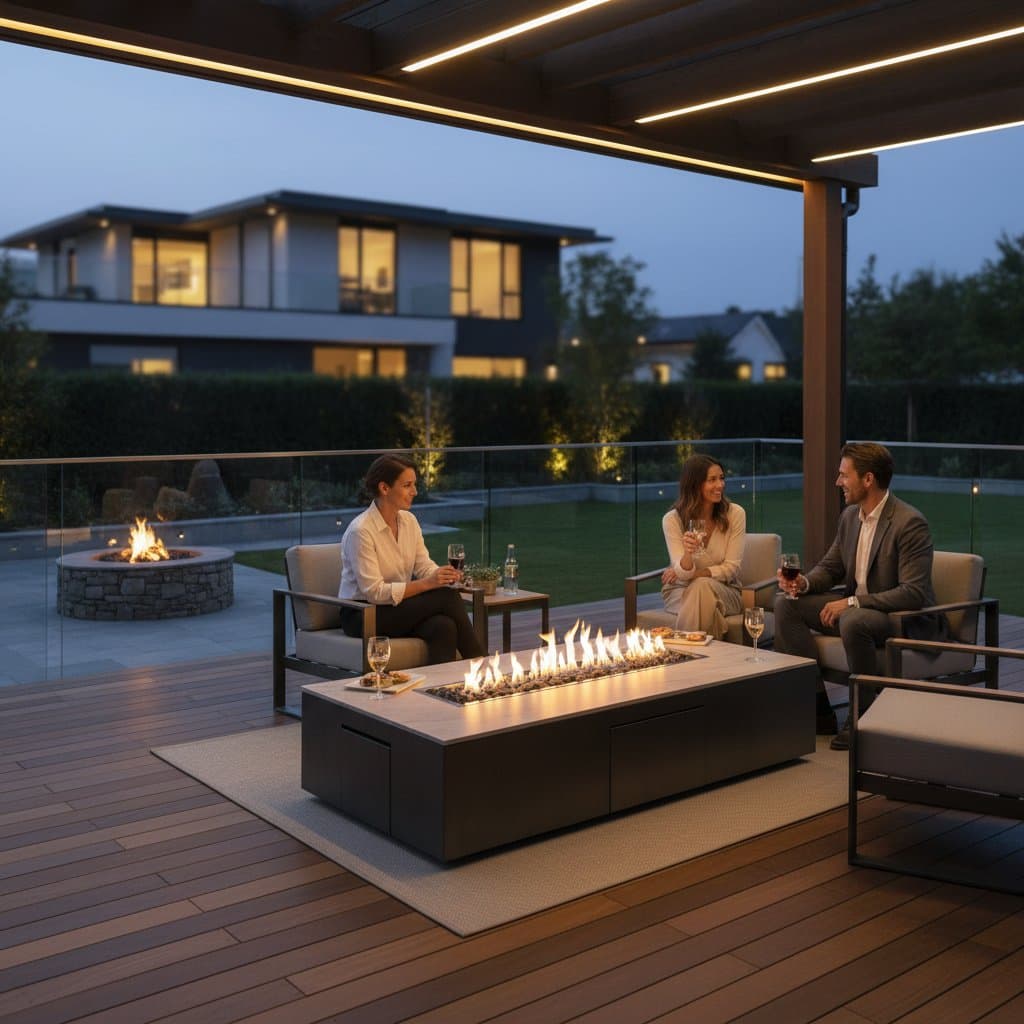
Why Fire Tables Outperform Traditional Fire Pits in 2025
Gatherings around a traditional fire pit often involve huddling close to the flames, enduring smoke that stings the eyes, and coping with inconsistent warmth. In contrast, fire tables offer a refined alternative. These units provide even heat distribution, minimal mess, and seamless integration into deck and patio layouts. This evolution reflects priorities in design, user comfort, safety, and convenience.
This guide explains the essentials of fire tables, highlights their advantages over fire pits, and provides practical advice for selection and setup in your outdoor area.
Understanding Fire Tables
A fire table consists of a sturdy, elevated outdoor table featuring an integrated gas burner at its center. The design allows for reliable heat output while maintaining ample surface area for placing dishes, beverages, or games. Models typically operate on propane or natural gas, enabling precise flame control via a simple knob rather than constant wood tending.
Homeowners increasingly select fire tables to address key limitations of fire pits. These include excessive smoke production, bulky footprints, and challenges in combining heat with dining functionality. The outcome yields a more inviting, effortless environment for outdoor socializing and relaxation.
Core Advantages
Fire tables deliver several distinct benefits that elevate outdoor experiences:
- Smoke-Free Operation: Gas flames produce clean heat without the ash or particulate matter common in wood-burning fire pits, ensuring clearer air and less cleanup.
- Ergonomic Design: With heights between 24 and 30 inches, fire tables position warmth at seated chest level, promoting comfort during extended gatherings.
- Versatile Functionality: The expansive tabletop serves as a dining or lounge surface even when unlit, maximizing utility in compact spaces.
- Deck-Compatible Safety: Equipped with adequate spacing and protective barriers, many units install directly on composite or wooden decks without risk of damage.
- Quick Ignition: Electronic starters or manual options light instantly, eliminating the wait times associated with kindling and tinder.
These features make fire tables particularly appealing for urban and suburban settings where space and aesthetics matter.
Essential Components for Setup
Assembling and operating a fire table requires specific items to ensure safety and performance:
- Fire Table Assembly: Select a unit measuring 40 to 60 inches in diameter, scaled to your available area.
- Fuel Supply: Include a propane tank with a compatible regulator for portable models, or prepare for natural gas connection.
- Heat-Dispersing Media: Use fire-rated glass or lava rocks to evenly distribute warmth and enhance visual appeal.
- Protective Base: Place a non-combustible mat beneath the unit to shield deck surfaces from radiant heat.
- Protective Cover: Employ a fitted weatherproof cover to safeguard the burner from rain and debris.
For natural gas installations, consult a certified professional. Gas line modifications demand expertise to comply with local codes and prevent hazards.
Installation and Operation Guide
Follow these steps to position and activate your fire table effectively.
Step 1: Select Appropriate Dimensions
Evaluate your outdoor zone by measuring the seating arrangement. Maintain a minimum 36-inch perimeter clearance from walls, furniture, or overhangs to allow safe heat dissipation. A 48-inch diameter accommodates four to six individuals comfortably, while 28-inch options suit narrower balconies or intimate setups.
Step 2: Verify Site Conditions
Position the table in well-ventilated outdoor locations only. Avoid placements beneath low roofs, awnings, or within screened enclosures to prevent heat buildup or carbon monoxide risks. On decks, install a fire-resistant mat certified to withstand temperatures exceeding 500 degrees Fahrenheit.
Step 3: Secure the Fuel Connection
For propane units, fasten the hose to the tank regulator firmly. Perform a leak test by applying a soapy water solution to joints; any bubbling indicates a seal issue requiring immediate repair. Natural gas lines necessitate professional hookup to ensure pressure regulation and shutoff valves function correctly.
Step 4: Install Burner Media
Layer approximately one inch of fire glass or lava rock over the burner pan, distributing it uniformly to avoid obstructing ports. This setup promotes balanced flame spread and creates a polished, contained fire display.
Step 5: Ignite and Fine-Tune
Rotate the control valve to initiate the pilot light, then increase to full ignition. Adjust the flame height so it rises just above the media surface without excessive flare. Monitor for steady blue flames, indicating efficient combustion, and ensure seated users experience warmth without direct exposure.
Safety Protocols
Prioritize these measures to minimize risks during use:
- Maintain a three-foot distance for children and pets from the active flame.
- Avoid applying aerosol sprays, solvents, or other flammables in the vicinity.
- Shut off the gas supply completely after each session.
- Allow the unit to cool fully before applying covers or moving accessories.
Regular inspections of hoses and connections further enhance reliability.
Common Issues and Solutions
Address potential problems promptly to sustain performance:
- Low Flame Output: Inspect the propane level or clear regulator blockages with a soft-bristle tool; replace if damaged.
- Inconsistent Heating: Redistribute media to ensure all burner openings remain accessible.
- Ignition Failure: Swap the igniter battery or employ a fireplace match for manual startup; consult a technician for persistent electronic faults.
Document usage patterns to anticipate maintenance needs.
Upkeep and Off-Season Care
Preserve longevity through routine cleaning. Wipe the tabletop with mild soapy water weekly, and clear burner orifices of lint or residue using compressed air. For storage, disconnect fuel sources and position tanks in shaded, ventilated outdoor spots. Apply covers consistently to block moisture ingress and corrosion.
Cost and Timeline Expectations
Quality fire tables range from $400 to $1,200, depending on materials and features. Basic propane assemblies complete in 30 to 45 minutes with standard tools. Bespoke stone constructions or gas plumbing may require a specialist team for a full day. Additional piping costs $150 to $300, influenced by proximity to existing lines.
Preparing for Seasonal Changes
As temperatures drop, disassemble the burner for thorough cleaning and test all fittings for integrity. Prior to winter storage, drain lines and secure components against frost. In spring, verify ignition responsiveness and confirm flames burn cleanly blue. These routines ensure seamless operation year-round.
Professional Assistance Indicators
Engage experts when encountering complex tasks:
- Gas line extensions or conversions beyond basic connections.
- Electrical integrations for advanced ignition systems.
- Structural modifications to decks for load-bearing support.
- Repairs involving warranty claims or manufacturer specifications.
Local codes often mandate licensed handling for fuel systems.
Essential Advantages of Fire Tables
Fire tables integrate reliable warmth, practical surfaces, and user-friendly controls into versatile outdoor fixtures. They adapt to contemporary decks, eliminate smoke nuisances, and thrive in constrained urban landscapes, fostering memorable gatherings with minimal effort.
Getting Started with Your Fire Table
- Assess your seating dimensions and required clearances.
- Identify a model aligned with your height preferences and fuel availability.
- Conduct a trial run in a controlled setting prior to hosting events.